2026 Top Ways to Optimize Warehouse Logistics Workflow

Time:2026-10-19 Author:Oliver
0%

Warehouse logistics is under pressure in 2026. Customers expect faster delivery, fewer errors, and clearer order updates. Meanwhile, labor costs, storage limits, and inventory uncertainty continue to challenge operations. This introduction examines how to optimize warehouse logistics workflow through practical, measurable improvements. It focuses on receiving, put-away, slotting, picking, packing, dispatch, and returns.

John J. Bartholdi III, a respected warehouse design researcher, states, “The objective of a warehouse is to provide the desired level of customer service at the lowest possible cost.” This principle remains useful because every workflow decision affects service, labor, space, or accuracy. A strong approach begins with reliable data. Measure dock-to-stock time, picking accuracy, order cycle time, travel distance, and inventory variance. Then compare those results with customer expectations and operating costs.

Small details matter. A misplaced fast-moving item can create repeated walking and delayed shipments. A poorly configured scanner can slow every picking task. Better slotting, clear aisle labels, cycle counting, and thoughtful WMS settings can create visible gains. Automation may help, but it is not a universal answer. A conveyor cannot repair inaccurate inventory records. A dashboard cannot replace disciplined floor supervision.

This guide also recognizes operational imperfections. Data may be incomplete. Staff may resist unfamiliar processes. A pilot may fail before it improves performance. That failure still provides evidence. The most reliable warehouse strategy combines expert review, employee experience, controlled testing, and continuous measurement. In practice, how to optimize warehouse logistics workflow is not a single project. It is a repeatable process of observing, testing, correcting, and improving.
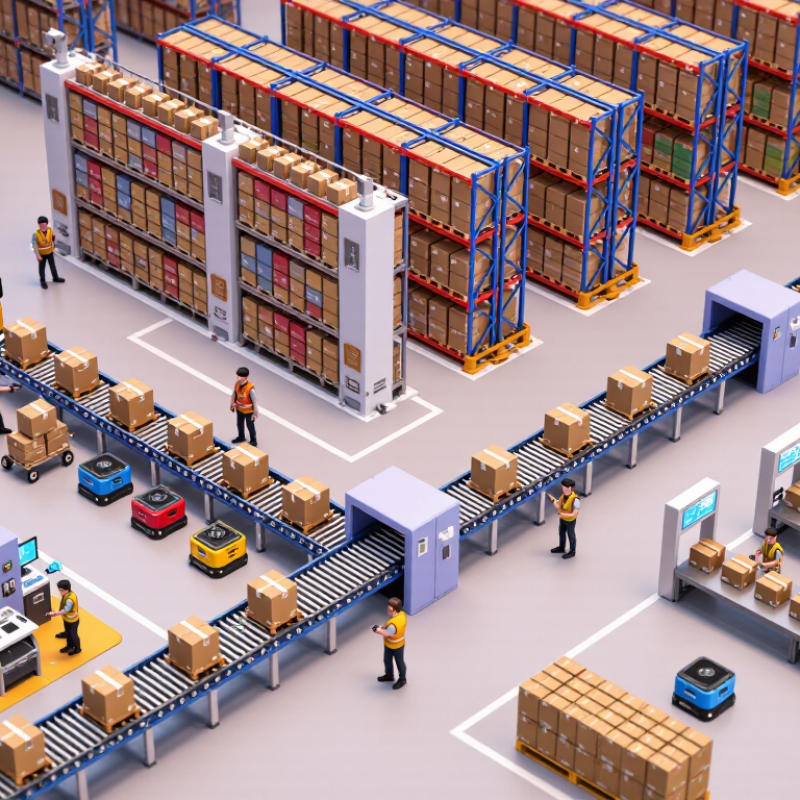
2026 Top Ways to Optimize Warehouse Logistics Workflow

Assess Current Warehouse Logistics Performance and Workflow Bottlenecks

2026 Top Ways to Optimize Warehouse Logistics Workflow

Assess current performance before purchasing new systems. Walk the physical process from receiving dock to shipping door. Record timestamps for unloading, put-away, replenishment, picking, packing, and dispatch. A five-minute delay repeated across 600 orders becomes a serious capacity loss. Small delays matter.

600
orders affected by a repeated five-minute delay

The 2024 MHI Annual Industry Report found that 55% of respondents planned to increase technology and innovation investment within two years. That investment should follow measured problems, not fashionable tools. The 2024 WERC DC Measures report benchmarks order accuracy, cycle time, labor productivity, and inventory performance across distribution centers. Compare each shift against these measures, then separate systemic bottlenecks from occasional errors. A high accuracy rate can still hide excessive walking, queueing, or overtime.

Use a simple process map beside the packing station. Mark every handoff, scan exception, replenishment wait, and congested aisle. Review results by SKU velocity, shift, zone, and worker experience. This detail often exposes weak slotting or unclear work instructions.

We sometimes blame labor first. That is a mistake worth challenging. Clean data may also be incomplete, especially when manual scans are skipped. Validate dashboard figures with floor observations and sample counts before changing the workflow.

Map Inventory, Order, and Material Flows Across the Warehouse

2026 Top Ways to Optimize Warehouse Logistics Workflow

Map inventory, order, and material flows before changing equipment or software. A practical warehouse review starts with a scaled floor plan. Mark receiving doors, storage zones, picking aisles, packing benches, and dispatch lanes. Then trace each product’s physical movement with colored lines. Use separate lines for replenishment, customer orders, returns, and empty containers. Keep the map visible during shift meetings.

Measure travel distance, waiting time, touches, and order accuracy. A picker walking 900 meters for one batch may reveal a slotting problem. Fast-moving items should stay near packing areas, but not block replenishment traffic. Group products ordered together, then check whether this creates congestion. Small details matter. Note scanner locations, pallet staging, and aisle width during peak hours. The quiet morning map can mislead you.

Material flow needs the same attention. Forklifts, carts, and people should not compete at narrow intersections. Use floor markings and timed replenishment windows where possible. Our first draft may look efficient, yet miss damaged cartons beside a busy turn. That mistake matters. Recheck the map with operators, maintenance staff, and supervisors. Their observations often expose informal shortcuts, repeated handling, and unsafe pauses. Update the workflow after real orders test it, not only after a meeting.

Optimize Layout, Storage Policies, and Picking Routes

2026 Top Ways to Optimize Warehouse Logistics Workflow

Optimize Layout, Storage Policies, and Picking Routes

A practical warehouse review should begin with the walking path, not the software. Measure how far workers travel between receiving, storage, packing, and dispatch areas. Place fast-moving products near packing stations, while keeping bulky items on lower, safer shelves. Leave clear turning space for carts. Small layout changes can remove hundreds of unnecessary steps each shift.

Storage policies should match product demand and handling needs. Use recent order data to classify items as fast, medium, or slow moving. Review these categories every month because demand patterns change. Store similar products together, but separate items with similar packaging and confusing labels. A location code should be visible from the aisle, not hidden behind another carton. Errors often begin with poor visibility.

Picking routes need simple rules and regular testing. Group orders by nearby locations when timing allows, then direct workers through a consistent aisle sequence. Zone picking can reduce travel in larger facilities, but handoffs may create delays. Track pick time, mispicks, congestion, and replenishment interruptions. Do not trust one good week of data. I still see teams optimize speed while ignoring fatigue, damaged stock, or awkward reaches. A route that looks efficient on paper may fail during a busy afternoon.

Implement Automation, Data Systems, and Real-Time Visibility

2026 Top Ways to Optimize Warehouse Logistics Workflow

Modern warehouse logistics depends on connected data, not isolated equipment. A warehouse management system should link receiving, storage, picking, and dispatch records. Real-time visibility can show delayed pallets, labor gaps, and temperature changes before they affect delivery. The 2024 Annual Industry Report from the Material Handling Industry reported that 55% of respondents planned to increase supply chain technology investment. That investment needs measurable goals, not technology for its own sake.

Automation works best when processes are stable. Conveyor systems, mobile robots, and barcode scanning can reduce repetitive movement and improve inventory accuracy. Yet poor data will only make errors faster. Supervisors should compare system records with physical cycle counts every week. A simple screen near the loading area can display dock queues, open orders, and exception alerts. Small details matter.

Tips: Start with one process, such as receiving. Track accuracy, processing time, and exception frequency for four weeks. Then expand carefully. Train workers to question unusual system results. Real-time visibility is useful, but it is not perfect. Network outages, damaged labels, and rushed scans still create blind spots. The 2023 State of Logistics Report noted that logistics costs reached 12.7% of United States GDP in 2022, showing why inefficient workflows deserve close attention. Reflection is necessary: automation may expose weak procedures before it solves them.

Measure Results and Continuously Improve Warehouse Operations

Warehouse optimization begins with measurement, not guesswork. In a working facility, every delay leaves a trace: a late pick, a crowded staging lane, or an idle forklift. Track order cycle time, pick accuracy, dock-to-stock time, inventory discrepancies, and labor hours per order. Use the same definitions every day. Otherwise, reports may look precise while describing different realities. A shift supervisor can review a simple dashboard before the morning briefing. Keep it visible. Small patterns become easier to challenge.

Measure results against a clear baseline, such as the previous four-week average. Segment data by zone, shift, product type, and order size. This often reveals causes hidden inside overall averages. Picking may meet its target while replenishment creates repeated evening congestion. Confirm the numbers on the floor. Walk the route, speak with operators, and compare scan records with physical counts. Experience matters because data can miss awkward reaches, unclear labels, or unsafe shortcuts. Ask why the process works only on its best days.

Continuous improvement needs controlled changes. Test one adjustment, such as moving fast-moving items closer to packing, then monitor accuracy and travel distance. Set an owner, review date, and acceptable error range. If performance improves but fatigue rises, the change is not complete. Record failed trials as carefully as successful ones. Some improvements disappear during peak volume. That weakness deserves attention. Recheck results weekly, then revise standard work when evidence supports it. Reliable operations grow through honest measurement, practical observation, and repeated correction.

FAQS

Why should a warehouse map its workflow before changing equipment?

A scaled floor plan reveals receiving doors, storage zones, packing benches, and dispatch lanes. Trace products with separate colored lines for orders, replenishment, returns, and empty containers. The quiet morning view can mislead you. Check the map during busy periods, too.

What warehouse movements should be measured?

Measure travel distance, waiting time, handling touches, and order accuracy. A picker walking 900 meters for one batch may indicate poor product placement. Record scanner locations, pallet staging, and aisle width. Small details often explain larger delays.

Where should fast-moving products be placed?

Keep popular items near packing areas to shorten picking routes. Do not block replenishment traffic or narrow intersections. Group products ordered together, then watch for congestion. The best location on paper may fail during peak volume.

How can warehouses improve material flow and safety?

Separate forklifts, carts, and people where possible. Use floor markings and timed replenishment windows at busy intersections. Ask operators about shortcuts and repeated handling. Their practical warnings may expose unsafe pauses that a diagram misses.

What should a connected warehouse data system track?

It should connect receiving, storage, picking, and dispatch records. A visible screen can show dock queues, open orders, and exception alerts. Compare system records with weekly physical counts. Data helps, but it is not perfect.

When should automation be introduced?

Introduce automation after the basic process becomes stable. Begin with one activity, such as receiving, and measure it for four weeks. Track accuracy, processing time, and exception frequency. Poor data can make errors happen faster.

Which performance measures matter most?

Track order cycle time, pick accuracy, dock-to-stock time, inventory discrepancies, and labor hours per order. Use consistent definitions every day. Segment results by zone, shift, product type, and order size. Otherwise, precise reports may describe different realities.

How should a warehouse test process improvements?

Change one factor, such as moving popular items closer to packing. Set an owner, review date, baseline, and acceptable error range. Check travel distance, accuracy, and worker fatigue. If fatigue rises, the improvement is incomplete. Reconsider it.

Conclusion

Optimizing warehouse logistics workflow begins with a clear assessment of current performance. Businesses should review receiving, storage, replenishment, picking, packing, and shipping activities to identify delays, unnecessary movement, capacity issues, and recurring errors. Mapping inventory, order, and material flows can reveal bottlenecks and show how products and information move through the facility. This analysis provides the foundation for deciding how to optimize warehouse logistics workflow in a practical and measurable way.

The next step is to improve the warehouse layout, storage policies, and picking routes according to product demand, handling requirements, and order frequency. Automation, integrated data systems, barcode or sensor-based tracking, and real-time visibility can further improve accuracy and coordination. Finally, performance should be measured through indicators such as order cycle time, inventory accuracy, picking productivity, space utilization, and fulfillment quality. Regular reviews, employee feedback, and continuous process adjustments help maintain efficient warehouse operations as business needs change.

Oliver

Oliver

Oliver is a seasoned marketing professional with a wealth of expertise in driving brand awareness and engagement. With a deep understanding of our company's product offerings, he consistently delivers high-quality content that enriches our professional blog. His insights not only shed light on......