Heavy cargo does not forgive guesswork. A steel pump may look stable on a pallet, yet its weight can shift when a forklift turns. Before moving it, crews need to know the load’s weight, center of gravity, lifting points, and route. They should also check the equipment’s rated capacity and inspect slings, chains, and attachment points. Small details matter. A loose strap or uneven floor can change a controlled lift into a dangerous one.
This guide explains how to handle heavy cargo safely during loading, from planning and equipment selection to communication and final checks. It draws on established lifting ergonomics, including the work of Dr. Thomas R. Waters, an ergonomics researcher associated with the NIOSH lifting equation. A practical paraphrase of his research is: “Match the lifting task to the load, the equipment, and the people doing the work.” That is a summary, not a direct quotation. No single method fits every shipment.
Readers will learn how to assign clear roles, keep people outside suspended-load zones, and move cargo slowly across a prepared loading area. A spotter’s hand signal should be agreed upon before the lift begins. Then confirmed. Even experienced teams can miss a check when schedules tighten; pausing to reassess is part of safe handling, not wasted time. The sections ahead offer practical steps while recognizing that unusual loads may need a qualified lifting professional’s assessment.
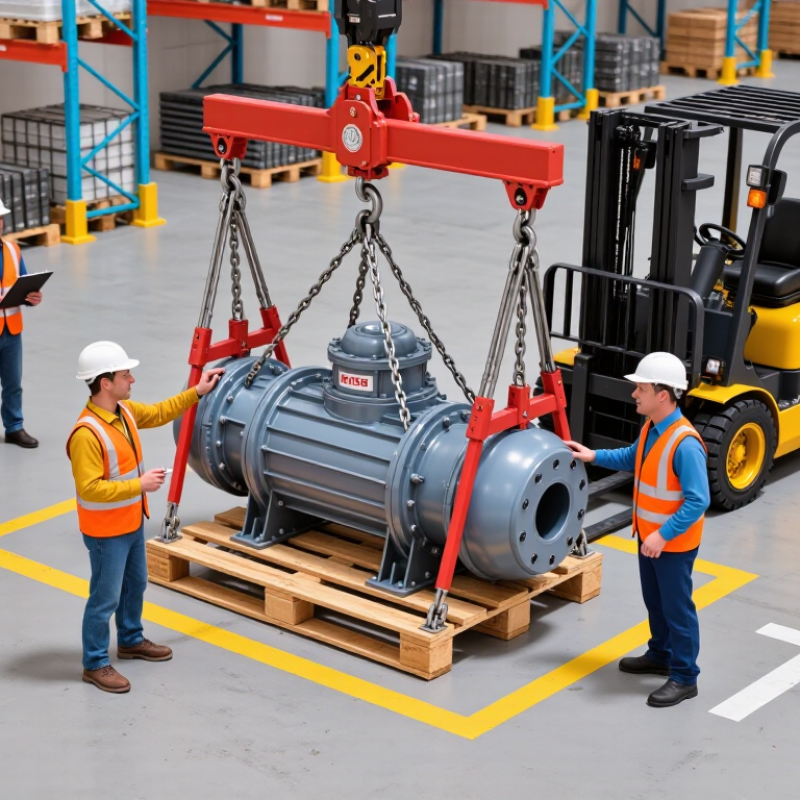
Before lifting heavy cargo, verify its actual weight rather than relying on a rough estimate. Compare available records with the item’s markings, dimensions, and any separate components. A small difference can matter when choosing lifting equipment or planning where the load will sit. Check the equipment’s rated capacity and the condition of its lifting points. Never guess.
Shape affects how a load should be supported. A long steel frame may flex, while a compact machine may concentrate weight on a few feet. Identify strong support points and keep the load from shifting during the move. Then estimate the center of gravity: note where the heaviest parts are, and whether the item is uneven from side to side. If it is unclear, pause and ask a qualified person to assess it. A sketch can help, but it can also hide an awkward offset. I have seen tidy plans need revision once the load was measured on site. Check the balance with a controlled, low lift before continuing. Watch for tilt or unexpected movement. Small clues matter.
| Cargo Profile | Illustrative Cargo Data | Weight and Center-of-Gravity Assessment | Checks Before Lifting | Loading and Positioning Guidance |
|---|---|---|---|---|
| Compact industrial machine | Example: 2,000 kg; approximately 1.6 m × 1.2 m footprint | A compact footprint can concentrate the load. The center of gravity may be offset by motors, gearboxes, or internal components. | Confirm the total weight from reliable cargo documents or weighing. Locate the manufacturer’s lifting points and identify any marked center of gravity. | Use approved lifting points and suitable lifting gear. Keep the load level, then position it so the vehicle’s payload and axle limits are not exceeded. |
| Steel coil or other cylindrical load | Example: 1,200 kg; roughly 1.0 m diameter × 1.2 m wide | The rounded shape can roll, and the center of gravity is usually near the geometric center when the coil is uniform. | Check the actual coil weight, orientation, condition, and any supplier handling instructions. Confirm that the lifting method is suitable for the coil’s shape. | Use purpose-designed coil supports or cradles and secure the load against rolling and movement. Do not rely on friction alone. |
| Long steel beam or bundled material | Example: 3,000 kg; approximately 6 m long | A long load can flex or shift if supported unevenly. Its center of gravity may change if the bundle is irregular or contains pieces of different lengths. | Verify the bundle’s total weight and balance. Check sling positions, beam strength, lifting-point capacity, and the lifting equipment’s rated capacity. | Use suitable, balanced lifting points or a lifting beam when required. Support the load at appropriate locations and prevent longitudinal movement during transport. |
| Partially filled tank or liquid container | Example: 2,500 kg gross load; liquid fill level varies | Liquid can move during lifting or vehicle movement, causing the center of gravity to shift and increasing instability. | Confirm gross weight, fill level, closure security, and the container’s approved lifting method. Check for leakage or damage. | Keep the container upright where required, avoid sudden movements, and secure it against tipping and sliding. Follow applicable handling instructions for the contents. |
| Asymmetric machine or load with an offset center of gravity | Example: 1,800 kg; uneven footprint with a heavy motor on one side | The center of gravity may be outside the visual center of the footprint. Unequal sling loading can tilt the cargo or overload a lifting point. | Use documented center-of-gravity information or have a competent person assess the load. Check sling angles, attachment points, and equipment capacity for the actual configuration. | Arrange lifting points to keep the load stable and level. Make a controlled test lift just clear of the ground, pause to check balance, and lower the load if it tilts or shifts. |
Note: Cargo weights and dimensions above are illustrative examples, not lifting limits. Before loading, verify the actual weight and center of gravity, inspect the cargo and lifting points, and confirm that the lifting equipment, vehicle payload, axle loads, and securing method are suitable for the specific load. Follow applicable regulations and the equipment manufacturer’s instructions.
Clear the route of straps, pallets, and tools. Check for wet patches, cracks, and uneven floors. Keep the area well lit.
Choose one person with a clear view of the load and equipment. Agree on simple signals before lifting. No rushing.
Stop the lift and reset. Do not try to correct a tilt while the load is moving.
Verify its weight, balance, and secure points using reliable information. Guessing from appearance is not enough.
Place it low and near the load’s center. Keep the total weight within the vehicle’s rated limits.
Check the floor, pallet, and lifting points for damage. A cracked board may fail under a concentrated load.
Check their condition and labels, and protect straps from sharp edges. Apply tension evenly so cargo cannot slide or tip.
Inspect each connection and the cargo’s contact points. Recheck after a short move if the load has settled. A loose strap can be easy to miss.
Photograph the secured load and gently test for movement from a safe position. If anything shifts, stop and reset it. I may still overlook a small change.
Handling heavy cargo safely during loading begins with understanding the load. Assess its weight, shape, dimensions, and center of gravity so you can choose suitable lifting equipment and anticipate how it may shift. Plan a clear load path, check that the equipment is appropriate for the task, and prepare a stable, unobstructed loading area before work begins.
Coordinate the crew so everyone understands their role and the agreed signals. Lift and move the cargo gradually, maintaining clear communication and pausing if the load becomes unstable or the path is blocked. Once the cargo is in position, secure it against movement and inspect the placement and restraints before completing the loading process. These steps offer a practical approach to how to handle heavy cargo safely during loading while reducing avoidable risks to people and equipment.

 Spare PartPro