China Top 10 Ways to Cut Energy Use in Logistics Facilities?

Time:2026-09-24 Author:Ethan
0%

China’s logistics facilities are becoming more energy-intensive as e-commerce, cold-chain distribution, and automated storage expand. The question is no longer whether warehouses should save energy, but how to reduce energy consumption in logistics facilities without weakening throughput, safety, or product quality.

The International Energy Agency’s Energy Efficiency 2023 report states that buildings consume about 30% of global final energy and produce roughly 26% of energy-related emissions. Warehouses are only one part of this category, yet their energy demand can rise sharply through lighting, ventilation, heating, cooling, refrigeration, and material-handling equipment. China’s logistics sector also continues to grow. The China Federation of Logistics and Purchasing reported total social logistics costs of approximately RMB 18.2 trillion in 2023, showing the scale of facilities, transport links, and operating assets involved.

Small operating details matter. An open dock door can release conditioned air for hours. Poorly positioned sensors may leave high-bay lights burning across empty aisles. Refrigeration systems can also consume substantial electricity when door seals, defrost cycles, or temperature settings are poorly managed.

This guide examines ten practical methods for Chinese logistics facilities. It covers LED retrofits, smart meters, energy management systems, efficient HVAC, insulation, rooftop solar, and equipment scheduling. The U.S. Department of Energy’s Better Buildings guidance supports these measures, but results vary by climate, building age, occupancy, and operating schedules.

There is no universal formula. A modern automated warehouse may need different controls than a manually operated cold store. Some projects may also overestimate savings. Reliable measurement matters more than attractive promises. Each recommendation should be tested against actual meter data, maintenance records, worker experience, and business priorities.
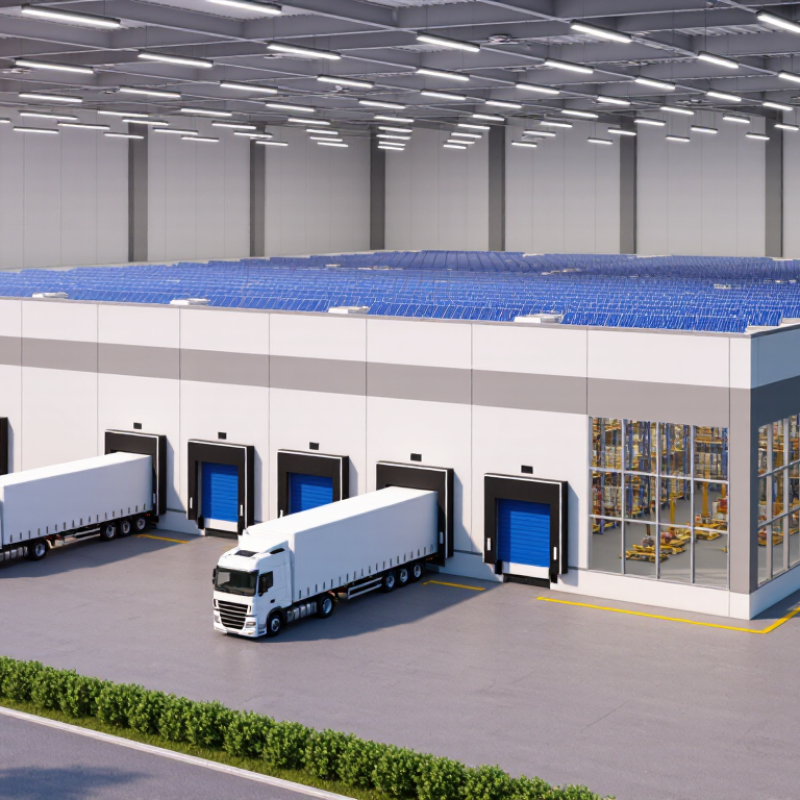
China Top 10 Ways to Cut Energy Use in Logistics Facilities?

Energy Use Challenges in China’s Logistics Facilities

China’s logistics facilities face rising energy pressure as warehouses expand across different climate zones. A site in Guangzhou may battle humidity, while one in northern China needs winter heating. Cold-chain buildings consume even more power because compressors run around the clock. Peak-hour electricity charges can also expose weak operating habits.

On-site energy reviews often reveal ten practical opportunities. Install sub-meters for refrigeration, lighting, and charging areas. Replace outdated lamps with efficient LED fixtures. Add motion sensors in low-traffic aisles. Improve insulation around doors and loading docks. Repair damaged seals quickly. Set HVAC temperatures according to occupancy and storage needs. Clean filters and maintain compressors on a fixed schedule. Use rooftop solar where structure and grid conditions allow. Schedule vehicle charging outside expensive peak periods. Train workers to shut down idle equipment.

Small faults can become expensive. An open dock door may let conditioned air escape for hours. A blocked condenser can make refrigeration work harder. These problems are easy to miss during busy shifts. Data helps, but meters do not explain every cause. Managers still need walkthroughs, staff interviews, and seasonal comparisons.

Some improvements look efficient on paper but disappoint in practice. Solar output may fall during smoggy or rainy periods. Automated controls can waste energy when sensors are poorly positioned. A lower target temperature is not always safer for products. Each facility needs verified operating data, realistic payback estimates, and regular review by qualified engineers.

China’s Logistics Facilities: Top 10 Ways to Cut Energy Use

Estimated annual electricity-saving potential by measure, expressed as a share of facility electricity consumption. The values represent typical technical potential from efficiency measures used in warehouses and distribution centers; actual savings depend on climate, operating hours, building design, and implementation quality. Measures should not be added together directly because savings can overlap.

Energy Audits and Performance Baselines for Warehouse Operations

Energy audits in Chinese logistics facilities should begin with evidence, not assumptions. Warehouse teams can collect twelve months of electricity, gas, and fuel records. They should match these figures with shipment volume, operating hours, and floor area. A busy November cannot be compared fairly with a quiet February. Weather also matters, especially when cooling or heating loads change sharply.

The audit should map each energy user on site. Check dock doors, lighting zones, conveyors, refrigeration, charging areas, and office equipment. Smart meters help, but manual readings remain useful. Walk the facility at 2 a.m. Listen for compressors running in empty aisles. Notice lights left on near unused loading bays. Small observations often explain large monthly differences.

Our first baseline was not perfect. It ignored weekend staffing and produced an unrealistic target. We corrected it using energy intensity per order and per square meter. The baseline now records production conditions, not only consumption. Auditors should keep meter photos, calibration dates, maintenance notes, and unusual-event records. This creates a traceable history for managers and independent reviewers. The process is slower than expected. That is useful. Careless data can make efficient equipment appear wasteful, while poor operating habits remain hidden.

Efficient Lighting, HVAC, Refrigeration, and Material-Handling Systems

China Top 10 Ways to Cut Energy Use in Logistics Facilities

In China’s logistics facilities, efficient lighting starts with accurate zoning. LED fixtures should match aisle height, storage density, and working hours. Motion sensors can dim empty aisles, while daylight controls reduce use near loading docks. However, sensors may switch off during slow manual tasks. Testing with operators prevents unsafe darkness.

HVAC efficiency depends on sealed doors, clean filters, and balanced air distribution. Regular commissioning can reveal rooms that are overcooled or heated unnecessarily. Variable-speed fans respond better to changing occupancy than constant-speed systems. Roof insulation also matters during China’s hot summers and cold northern winters. Small leaks often become expensive. Refrigeration requires tighter discipline in cold-chain warehouses. Keep strip curtains intact and limit door-open time. Floating suction pressure can reduce compressor demand when conditions allow. Defrost schedules should follow frost levels, not fixed habits. A simple temperature log can expose unstable zones before products are affected.

Material-handling systems consume less energy when travel paths are short and charging is controlled. Electric forklifts should avoid unnecessary idling and poorly timed charging. Battery rooms need safe ventilation and documented maintenance. Conveyor motors can slow during low-volume periods, but excessive automation may increase standby losses. Energy meters on lighting, HVAC, refrigeration, and handling equipment make savings visible. Some projects deliver less than expected because staff training was overlooked. Monthly reviews, realistic targets, and corrective maintenance keep the system practical rather than merely efficient on paper.

Smart Automation and Low-Energy Logistics Management Practices

China Top 10 Ways to Cut Energy Use in Logistics Facilities

Smart automation starts with visibility, not expensive equipment. Install submetering for lighting, HVAC, charging areas, and conveyors. The International Energy Agency reports that buildings consume about 30% of global final energy. Logistics sites therefore deserve serious measurement. In my facility audits, idle conveyors and open dock doors often waste more energy than managers expect. Motion sensors, daylight controls, and variable-speed drives can reduce unnecessary operation. Automated storage systems also shorten travel distances, but poor software settings may create constant movements. Automation is not always efficient.

Low-energy logistics management depends on practical routines. Set HVAC zones around occupancy and product requirements. Use door sensors to reduce heat loss at loading bays. Schedule battery charging during lower-demand periods, when local tariffs and grid conditions permit. Track energy per order, not only total consumption. This reveals whether productivity improvements are real. The IEA also identifies building efficiency as a major path toward lower emissions, yet warehouse data quality remains uneven. Some facilities still estimate usage manually. That weakens decisions.

Tips: Begin with one measurable zone. Record baseline energy for four weeks. Clean sensors regularly. Review alerts weekly. Train operators to report open doors, unusual noise, and overheated motors. A simple dashboard can expose waste, but it can also hide bad assumptions. Recheck the numbers after every process change. Small savings become meaningful when forklifts, lighting, cooling, and automation work together.

Renewable Energy, Electrification, and Continuous Energy Monitoring

China Top 10 Ways to Cut Energy Use in Logistics Facilities

Renewable Energy, Electrification, and Continuous Energy Monitoring

Chinese logistics facilities can reduce energy use by combining solar power, electric equipment, and disciplined data collection. Rooftop solar can support daytime operations, especially when conveyors, sorters, and charging stations run continuously. Battery storage may reduce peak demand, but its value depends on local tariffs, weather, and safe operating procedures.

Electrification is most effective when replacing diesel yard trucks, forklifts, and heating systems with efficient electric alternatives. Charging should follow shift patterns instead of starting every vehicle at once. Heat pumps can serve offices and temperature-controlled areas, although performance may decline during extreme weather. Practical trials matter. A solution that looks efficient on paper may struggle during winter loading peaks.

Continuous energy monitoring reveals where savings actually disappear. Submeters can track refrigeration, lighting, charging, and conveyor loads separately. Facility teams should review hourly data, not only monthly utility bills. A sudden nighttime load may indicate idle equipment, poor controls, or a forgotten maintenance issue. In one operating review, noisy sensor readings created false alarms, so calibration and routine verification became essential. Dashboards also need clear responsibilities, or useful information simply becomes background noise. Reliable decisions require measured results, documented maintenance, and regular comparison against shipment volumes.

FAQS

Why do logistics facilities in China face high energy pressure?

Warehouses operate across different climate zones. Southern sites may fight humidity, while northern facilities need winter heating. Cold-chain buildings consume more because compressors run continuously. Peak-hour electricity charges can expose poor operating habits.

Which energy meters should a warehouse install?

Install separate meters for refrigeration, lighting, charging areas, HVAC, and material-handling equipment. These meters show where electricity goes. Data is not enough. Managers still need walkthroughs and staff interviews.

How can lighting systems reduce warehouse energy use?

Replace outdated lamps with efficient LED fixtures. Match lighting to aisle height, storage density, and working hours. Motion sensors can dim empty aisles. Test sensor settings carefully. Slow manual work may otherwise happen in darkness.

How can warehouses improve HVAC efficiency?

Keep doors sealed and filters clean. Set temperatures according to occupancy and storage requirements. Variable-speed fans can respond to changing activity. Roof insulation helps during hot summers and cold winters. Lower temperatures are not always safer.

What actions can reduce refrigeration energy use?

Keep strip curtains and door seals intact. Limit door-open time at loading docks. Clean condensers and maintain compressors on a fixed schedule. Set defrost cycles according to frost levels, not old habits. Small leaks matter.

How can charging practices lower electricity costs?

Schedule vehicle charging outside expensive peak periods when operations allow. Avoid unnecessary forklift idling. Keep battery rooms safely ventilated and maintain them properly. Charging plans should match daily routes, not assumptions.

Can rooftop solar solve a facility’s energy problem?

Solar can help when the roof, structure, and grid conditions are suitable. Output may fall during rainy or smoggy periods. Check actual production before estimating savings. The payback may disappoint.

How can conveyors and automated systems use less energy?

Shorten travel paths and slow conveyor motors during low-volume periods. Reduce standby operation where possible. Poorly positioned sensors can increase waste. More automation is not always more efficient.

Why do energy-saving projects sometimes underperform?

Staff may not receive enough training. Sensors may switch off lights during slow tasks. Blocked condensers and open dock doors can remain unnoticed. Review monthly results, seasonal changes, and maintenance records. Some targets need revision.

Conclusion

China’s logistics facilities face growing energy challenges as rising throughput, temperature-control requirements, and around-the-clock operations increase demand for electricity and fuel. This article outlines how to reduce energy consumption in logistics facilities by first conducting energy audits and establishing performance baselines for warehouses. Clear measurements help operators identify waste, prioritize improvements, and track results over time.

Practical measures include upgrading lighting, optimizing HVAC and refrigeration settings, and maintaining efficient material-handling equipment. Smart automation can coordinate workflows, reduce idle time, and support lower-energy operating practices. Facilities can also consider renewable energy and electrification where suitable, while continuous energy monitoring helps reveal emerging inefficiencies. Together, these steps offer a structured approach to improving energy performance without compromising safety, product quality, or operational reliability.

Ethan

Ethan

Ethan is a seasoned marketing professional with a deep expertise in our company's innovative product line. With a passion for sharing knowledge and insights, he takes the lead in regularly updating our corporate blog, where he explores industry trends, product features, and effective marketing......