In the logistics and shipping industry, effective dock systems are vital. A report by the National Association of State Facilities highlights that over 60% of cargo handling relies on efficient dock solutions. This leads to the question, "what is the difference between hydraulic and mechanical dock systems?" Both systems offer distinct advantages and drawbacks.
Hydraulic dock systems feature advanced lifting mechanisms. They provide smooth operation and can manage heavy loads. According to industry standards, hydraulic systems are preferred for high-capacity requirements. On the other hand, mechanical dock systems are often simpler and more cost-effective. They offer reliable functionality, especially in less demanding settings.
In assessing these options, businesses must consider their unique needs. For some, the benefits of hydraulic systems justify the investment. Others may find mechanical systems sufficient for their operations. It's crucial to weigh these factors carefully to make informed decisions.
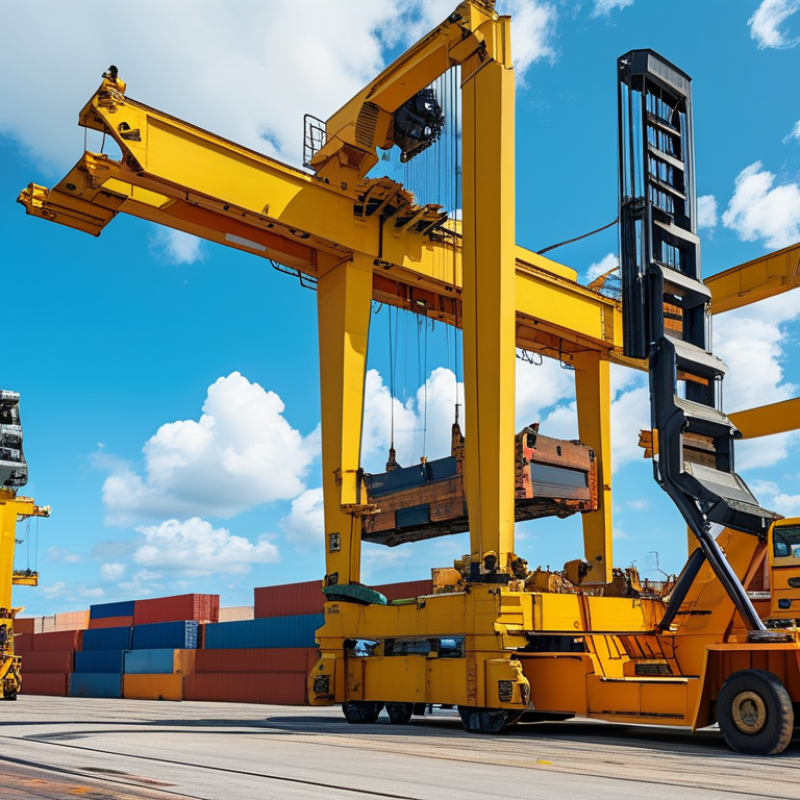
Understanding Dock Systems: Overview of Hydraulic and Mechanical Types
Dock systems play a crucial role in logistics and transportation. Understanding the differences between hydraulic and mechanical systems can help in selecting the right solution. Hydraulic dock systems are known for their efficiency and ease of use. They utilize fluid power to raise and lower platforms, allowing for quick adjustments. According to industry reports, these systems can increase loading efficiency by up to 25%. Their ability to handle various weight capacities makes them versatile for different cargo types.
On the other hand, mechanical dock systems rely on a series of pulleys and levers. They are often simpler in design but can be less adaptable to heavy loads. Some studies indicate that mechanical systems may require more maintenance, particularly over time. They could potentially result in longer loading times during peak operations. A key factor is that mechanical systems typically have a lower initial investment but might incur higher operational costs in the long run.
Selecting between these two options involves considering specific operational needs and budgets. Hydraulic systems might offer enhanced operational flexibility, while mechanical systems could appeal to those looking for simplicity and lower upfront costs. Each choice has its strengths and weaknesses, requiring careful evaluation based on the unique context of use. Understanding these differences can lead to better decision-making in dock system implementation.
How Hydraulic Dock Systems Operate: Principles and Components Explained
Hydraulic dock systems operate using fluid power to create motion and force. These systems rely heavily on hydraulic fluid, which is transmitted through pipes and cylinders. When the operator activates the system, the hydraulic fluid flows into a cylinder, resulting in the movement of dock levelers, lifts, or cargo gates. This method of operation allows for heavy loads to be managed with relative ease, making it a critical component in logistics and shipping environments. Industry reports indicate that hydraulic systems can increase efficiency by up to 30% when loading and unloading materials.
The core components of a hydraulic dock system include hydraulic pumps, valves, and cylinders. Each element plays a vital role in ensuring smooth operation. Pumps generate the necessary pressure, while valves control the flow of hydraulic fluid. The cylinders convert this fluid power into mechanical energy. This interplay of components is integral to the functionality of a dock system. However, it is important to note that regular maintenance is crucial. Neglecting this can lead to issues such as leaks, which significantly impair performance and safety.
While hydraulic systems offer many advantages, they are not without their challenges. For example, the need for hydraulic fluid introduces potential environmental risks, such as spills. Additionally, systems can be costly to install and maintain. Operators should evaluate these factors carefully when considering the implementation of hydraulic dock systems in their facilities.
Mechanical Dock Systems: Functionality and Key Features
Mechanical dock systems are essential for efficient loading and unloading operations. These systems rely on manual or powered mechanisms to raise and lower dock plates. This functionality allows for smooth transitions between trucks and loading bays, minimizing the risk of accidents. Their design often features sturdy materials, ensuring long-lasting performance under heavy loads.
One key feature of mechanical dock systems is their adaptability. They can accommodate various truck heights and cargo types. This flexibility is crucial for businesses that deal with multiple suppliers and shipping requirements. Additionally, maintenance is relatively straightforward, though it requires regular inspections. Over time, wear and tear can affect performance, so proactive upkeep is necessary to ensure reliability.
Despite their advantages, mechanical systems may also face challenges. Manual operation can lead to strain injuries, especially in high-volume environments. Operators must be trained to handle these systems safely. Moreover, while they are cost-effective, the initial installation might be daunting for some businesses. Addressing these concerns through proper training and planning can significantly improve safety and efficiency.
What is the Difference Between Hydraulic and Mechanical Dock Systems?
| Feature |
Hydraulic Dock Systems |
Mechanical Dock Systems |
| Power Source |
Hydraulic fluid pressure |
Manual or electric crank |
| Installation Complexity |
More complex, requires hydraulic lines |
Generally simpler installation |
| Maintenance Needs |
Regular checks on hydraulic fluid levels and leaks |
Minimal maintenance, less prone to leaks |
| Operating Speed |
Faster operation due to hydraulic actuation |
Slower, depends on manual effort |
| Load Capacity |
High load capacities |
Moderate load capacities |
| Cost |
Higher initial investment |
Lower initial investment |
Comparative Analysis: Advantages and Disadvantages of Each System
Hydraulic dock systems utilize fluid pressure for lifting and lowering, providing smooth operation. Their primary advantage lies in their ability to handle heavy loads efficiently. They also offer quick response times, which can streamline loading and unloading processes. However, maintenance can become challenging. Hydraulic leaks may occur, leading to costly repairs and potential safety hazards.
Mechanical dock systems, on the other hand, rely on a series of gears and levers. They are often more straightforward to maintain due to fewer complex components. This simplicity can lead to lower operational costs. However, mechanical systems may not match the lifting capacity of their hydraulic counterparts. They can also be slower in operation, which might impact productivity.
Both systems have unique benefits and drawbacks. Understanding the specific needs of a facility is crucial in making an informed decision. Factors like load capacity, maintenance requirements, and operational speed should all influence the choice of the dock system. It's essential to assess these aspects carefully to ensure optimal performance and safety.
Applications and Industries: Where Hydraulic vs. Mechanical Systems are Used
Hydraulic and mechanical dock systems serve unique purposes in various industries. In the shipping sector, hydraulic systems are favored for their high adaptability. They can handle heavier loads and vary significantly in capacity, with some systems able to accommodate up to 100,000 lbs. This capability is essential in ports where large shipping containers are common.
In contrast, mechanical systems are typically utilized in warehouses and smaller distribution centers. These systems are known for their simplicity and lower maintenance costs. Their capacity usually ranges around 10,000 to 25,000 lbs, making them suitable for lighter cargo.
The manufacturing industry also sees a split between these systems. Hydraulic dock systems are often implemented in heavy machinery environments. Their robustness is crucial when dealing with the rigors of industrial operations. A report from the International Dock and Door Association indicates that nearly 60% of manufacturing facilities prefer hydraulic systems for their efficiency in loading operations.
However, mechanical systems can provide a cost-effective solution in less demanding contexts. They require less power and can be maintained easily, which is valuable for businesses focusing on sustainability.
Both systems face challenges. Hydraulic systems can be complex and require regular inspections to prevent leaks. Mechanical systems, while simpler, might not meet the needs of heavier cargo without adaptation. The choice between these systems often hinges on specific operational demands and budgets, reflecting a careful weighing of efficiency and long-term reliability.
FAQS
: They use fluid power to create motion and force, activating through hydraulic fluid in pipes and cylinders.
Key components include hydraulic pumps, valves, and cylinders, each essential for smooth operation and efficiency.
Hydraulic systems can handle heavy loads and increase efficiency by up to 30% in logistics operations.
They are used in shipping, manufacturing, and heavy machinery environments due to their ability to manage large capacities.
Environmental risks from hydraulic fluid spills and high installation and maintenance costs can be significant concerns.
Mechanical systems are simpler, cost-effective, and adequate for lighter loads, generally ranging from 10,000 to 25,000 lbs.
Neglecting maintenance can lead to leaks, reducing performance and safety in dock operations.
Mechanically operated systems may need adaptations to meet the demands of heavier cargo resources effectively.
They should evaluate operational demands, efficiency, budgets, and potential reliability challenges for their specific needs.
Conclusion
The article "What is the Difference Between Hydraulic and Mechanical Dock Systems?" provides a comprehensive overview of two main types of dock systems used in various industries. It begins by explaining the fundamental principles and components of hydraulic dock systems, which operate through fluid mechanics, allowing for smooth and precise adjustments. In contrast, mechanical dock systems rely on physical components like levers and gears, offering manual control and straightforward maintenance.
The comparative analysis highlights the advantages and disadvantages of each system, noting that hydraulic docks are often favored for their efficiency and automation, while mechanical docks may be preferred for their simplicity and lower initial costs. Additionally, the article outlines the diverse applications of both systems, illustrating their significance in different sectors, from shipping to manufacturing. Overall, understanding "what is the difference between hydraulic and mechanical dock systems" is crucial for making informed decisions regarding dock system selection based on specific operational needs.

 Spare PartPro