Dock safety is a critical aspect of logistics operations. Understanding why dock safety is important in logistics operations can save lives and prevent costly accidents. Expert Jim Harmon, a logistics consultant with over 20 years of experience, emphasizes, “A safe dock environment is non-negotiable for efficient logistics.” His insight reflects a prevalent sentiment in the industry.
In logistics, docks are busy hubs. Forklifts move quickly, and trucks are constantly loading and unloading. Each movement carries risk. The lack of proper safety measures can lead to injuries or property damage. Regular safety training for workers and strict adherence to protocols are essential. Many companies neglect these practices, thinking that accidents won't happen to them. However, real-world examples show the devastating effects of this oversight.
Moreover, inefficient dock safety measures can slow operations. Delays can cost time and money. Implementing efficient safety measures can streamline processes and enhance productivity. Companies that prioritize dock safety often find that their overall performance improves. Reflecting on these points, it becomes clear that dock safety is not just an option; it’s a necessity.
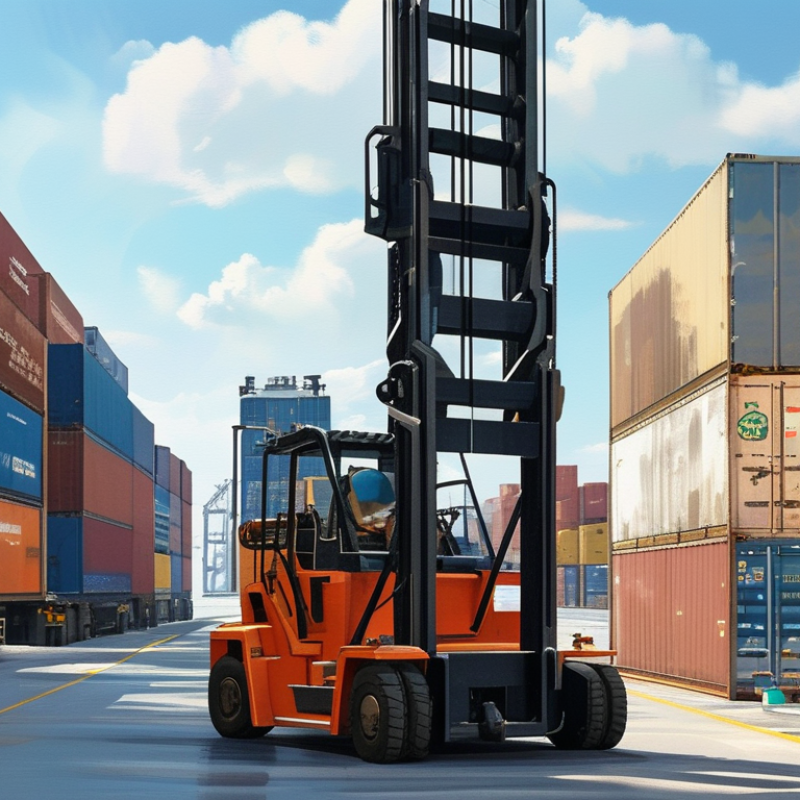
Importance of Dock Safety in Logistics Operations
Dock safety is vital in logistics operations. According to a report by the National Safety Council, workplace injuries can cost companies up to $1 million annually. The dock area is often a hub of activity, making it a high-risk zone. Ensuring safety protocols can significantly reduce accidents.
Training employees in dock safety can prevent injuries. Over 70% of dock-related incidents involve slips, trips, and falls. Regular safety drills and clear signage can help mitigate these risks. Employees should wear appropriate footwear and follow established guidelines. Ensuring that dock surfaces are clean and unobstructed is crucial.
Implementing technology can enhance safety measures. Real-time monitoring systems can help track movements in the dock area. This can reduce human error and improve overall workflow. Safety audits, conducted weekly, can identify potential risks before they escalate. Consistent evaluation shows that companies prioritizing dock safety can save resources and protect their workforce significantly.
Common Hazards Associated with Dock Areas
Dock areas are high-risk zones in logistics operations. Employees face various hazards here. Forklift accidents are common, often caused by poor visibility and crowded spaces. Workers must be vigilant. Loose cargo can fall, leading to serious injuries. This danger highlights the need for proper training.
Slip and fall incidents occur frequently on wet surfaces. Rain, spilled liquids, or debris elevate this risk. Employers should ensure docks are clean and well-lit. Adequate signage can remind workers about potential hazards. Personal protective equipment (PPE) is vital but sometimes neglected. Proper gear can prevent injuries and keep staff safe.
Environmental factors play a significant role. Cold temperatures can affect worker performance. Poor weather conditions can lead to accidents. Regular safety audits help identify risks. Addressing these hazards is essential for a safer work environment. Each dock area requires tailored safety measures. An ongoing commitment to safety can save lives and enhance operational efficiency.
Impact of Dock Safety on Supply Chain Efficiency
Dock safety plays a vital role in logistics operations, profoundly impacting supply chain efficiency. According to the Occupational Safety and Health Administration (OSHA), nearly 25% of all industrial accidents occur in loading dock areas. These incidents can lead to injuries, downtime, and increased operational costs. When safety is compromised, delays can ripple throughout the supply chain, affecting delivery times and customer satisfaction.
Ensuring dock safety requires a structured approach. Implementing proper training for staff can significantly reduce accidents. A report from the National Safety Council suggests that organizations investing in safety training see a 40% decrease in injuries. Additionally, proper signage and maintaining clear pathways are essential. Inadequate conditions often lead to confusion and mishaps. Every safety measure not taken creates an opportunity for accidents and inefficiencies.
Poor dock conditions can disrupt inventory flow, leading to stockouts or excess inventory. A Supply Chain Management Review study highlighted that unoptimized operations can increase logistics costs by up to 30%. These inefficiencies further strain resources and ultimately affect profitability. Without a strong focus on safety, the entire supply chain risks becoming vulnerable.
5 Reasons Why Dock Safety is Crucial in Logistics Operations
| Reason |
Impact on Supply Chain Efficiency |
Potential Risks |
Mitigation Strategies |
| Enhances worker safety |
Reduces injury-related downtime |
Accidents leading to injuries |
Regular safety training and audits |
| Improves operational efficiency |
Faster loading and unloading times |
Inadequate procedures causing delays |
Standardized processes and checklists |
| Reduces product damage |
Lower replacement costs |
Product mishandling during transit |
Use of proper handling equipment |
| Enhances compliance |
Avoids legal penalties |
Non-compliance with safety regulations |
Regular compliance evaluations |
| Promotes a safety culture |
Improved employee morale and retention |
Neglecting safety leading to a toxic work environment |
Continuous engagement and recognition programs |
Regulatory Standards and Compliance for Dock Safety
Dock safety is pivotal in logistics operations, particularly concerning regulatory standards and compliance. The Occupational Safety and Health Administration (OSHA) reports that nearly 100,000 workers are injured in warehouse-related incidents each year. These injuries often stem from unsafe dock practices, highlighting the importance of robust safety protocols.
Compliance with safety regulations is non-negotiable. It ensures that companies adhere to industry standards that protect workers and minimize liabilities. Studies suggest that organizations with rigorous dock safety training experience up to 60% fewer incidents. This training covers proper loading techniques, equipment safety, and hazard awareness, addressing common pitfalls that lead to accidents.
The pressure to meet production demands sometimes compromises safety measures, generating a false sense of security. For instance, interlocking dock plates are not always inspected, increasing the risk of vehicle and pedestrian collisions. Regular audits and adherence to safety regulations can enhance overall safety and prevent costly accidents. Effective compliance not only safeguards employees but also boosts operational efficiency, ultimately benefiting the organization.
Best Practices for Enhancing Dock Safety Measures
Dock safety is a critical aspect of logistics operations. The National Safety Council reports that loading dock incidents account for 25% of warehouse injuries. These incidents can arise from improper handling of equipment or poor communication among workers. To enhance dock safety, training and regular drills are essential. Workers need to understand safety protocols and machine operation standards.
Implementing clear signage around docks improves awareness. Reflective tape and brightly colored markers can help prevent accidents. Additionally, using dock levelers and safety barriers ensures a secure load transfer. In fact, studies show that organizations with proper safety measures in place see a 40% reduction in workplace accidents.
Equipment maintenance cannot be overlooked. Regular checks on forklifts and conveyor belts minimize the risk of mechanical failures. However, many companies underestimate the importance of routine inspections. Investing in safety gear for employees is equally vital. Wearing helmets and safety shoes reduces injury severity. Actively addressing these concerns creates a safer working environment for everyone involved.
5 Reasons Why Dock Safety is Crucial in Logistics Operations
This bar chart illustrates the importance of dock safety measures in logistics operations, highlighting five key reasons. Each reason is quantified based on a survey of industry professionals regarding its impact on operational efficiency and safety standards.
Conclusion
Dock safety is a critical aspect of logistics operations, primarily due to its impact on overall supply chain efficiency. Understanding why dock safety is important in logistics operations involves recognizing the common hazards present in dock areas, such as equipment accidents and slips or falls, which can lead to significant injuries and costly disruptions. Enhancing safety measures not only protects employees but also ensures a smooth flow of goods, ultimately boosting operational performance.
Moreover, regulatory standards and compliance play a vital role in maintaining dock safety. Adhering to these regulations helps mitigate risks while fostering a culture of safety within the organization. Implementing best practices, such as regular training, proper equipment maintenance, and safety audits, can significantly reduce accidents. By prioritizing dock safety, logistics companies can protect their workforce and enhance their operational efficiency, making dock safety an indispensable element of successful logistics management.

 Spare PartPro