Why is Proper Maintenance of Dock Leveler Systems Essential?

Time:2026-05-09 Author:Charlotte
0%

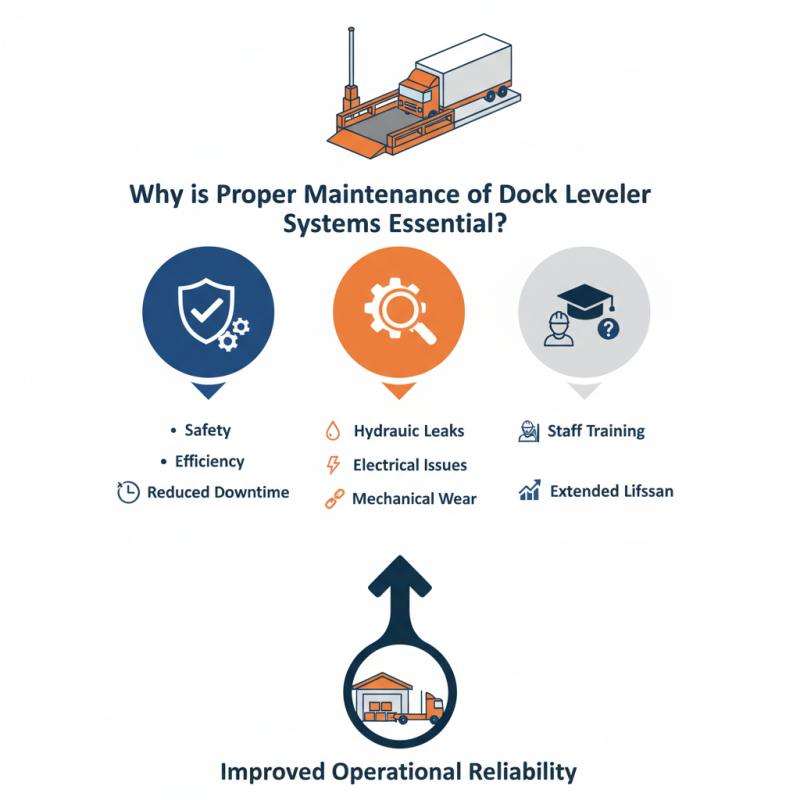
Proper maintenance of dock leveler systems is crucial for ensuring safety and efficiency in loading operations. A well-maintained dock leveler prevents accidents and minimizes equipment downtime. Over time, wear and tear can affect its performance. By understanding how to maintain dock leveler systems properly, facility managers can safeguard their operations.

Regular inspections are essential. Checking for hydraulic leaks, electrical issues, and mechanical wear can help identify potential problems early. Neglecting these aspects can lead to expensive repairs and increased safety risks. It’s not just about fixing things when they break; proactive care is necessary.

Training staff on proper usage and care is also important. Everyone involved must understand the risks and the best practices for operation. Even a small oversight can lead to significant issues. By prioritizing maintenance and staff education, businesses can improve operational reliability and extend the lifespan of their dock leveler systems.
Why is Proper Maintenance of Dock Leveler Systems Essential?

Importance of Dock Leveler Systems in Material Handling Operations

Dock leveler systems are critical in material handling operations. They serve as a vital link between loading docks and transport equipment. According to a report by the Material Handling Industry of America, proper use of dock levelers can increase loading efficiency by up to 40%. This statistic highlights how crucial these systems are in enhancing productivity and safety.

When dock levelers are well-maintained, they minimize the risk of accidents. Poorly functioning levelers can lead to dangerous situations, such as uneven loading, which may result in slips and falls. A study from the National Safety Council reveals that one in four workplace injuries is related to slips and falls. Regular maintenance is essential to ensure smooth operations, reducing these risks significantly.

However, many facilities overlook preventive maintenance due to budget constraints or oversight. This can lead to increased downtime and higher repair costs. According to industry reports, companies can save 30% on operational costs with a proper maintenance plan. Yet, many organizations fail to recognize the long-term value of investing in dock leveler systems. These numbers reflect a need for better strategies in maintenance management.

Importance of Dock Leveler Systems in Material Handling Operations

Common Types of Dock Levelers and Their Functionalities

Dock levelers are vital for smooth loading and unloading operations. Understanding their types and functionalities helps in choosing the right one. The three common types are hydraulic, mechanical, and air-powered dock levelers.

Hydraulic dock levelers provide easy operation with push-button controls. They offer great adaptability, adjusting to various truck heights. These levelers are durable but can require careful maintenance, particularly of the hydraulic systems. Mechanical dock levelers use a manual system, relying on a spring mechanism. They are cost-effective but can be physically demanding for workers. Air-powered dock levelers utilize air pressure for operation. They are lightweight and require less effort, yet they may face challenges if not maintained properly.

Each type has benefits and drawbacks. Hydraulic systems may face fluid leaks. Mechanical options can be hard to use if springs lose tension. Air-powered systems may require air supply checks. Investing in proper maintenance ensures reliable performance. Regular checks reduce the risk of unexpected downtimes.

Key Maintenance Practices for Dock Leveler Systems

Proper maintenance of dock leveler systems is crucial for ensuring safety and efficiency in logistics operations. Regular inspection plays a significant role. According to industry reports, 20% of dock incidents are linked to equipment failure. A proactive approach can minimize these risks. Checking hydraulic fluids and electrical components routinely prevents malfunction.

Routine cleaning is also vital. Dirt and debris can lead to degradation. Keeping the area around dock levelers clear encourages smooth operation. Maintenance checks should occur at least quarterly. This allows for the identification of minor issues before they escalate.

Documentation of maintenance activities enhances reliability. Keeping detailed records can aid in understanding trends over time. Studies indicate that companies with stringent maintenance logs report 30% fewer accidents. Furthermore, involving trained technicians in maintenance ensures a higher level of expertise. Continuous education on new technologies and practices is essential for all personnel involved.

Consequences of Neglecting Dock Leveler Maintenance

Neglecting the maintenance of dock leveler systems can lead to significant disruptions. These systems are crucial for smooth loading and unloading operations. When they fail, delays occur. This can frustrate workers and impact delivery schedules. Improperly maintained levelers may develop mechanical issues, leading to costly repairs. In some cases, equipment failure can halt operations entirely.

Another consequence of neglect is safety hazards. A malfunctioning dock leveler increases the risk of accidents and injuries. Workers rely on these systems to ensure safety while moving goods. A sudden breakdown can cause falls or collisions. Furthermore, these incidents can lead to serious injuries and compel a company to face legal repercussions.

Regular inspections are often overlooked. Simple maintenance tasks can prevent severe damage. However, many facilities wait until problems arise. This reactive approach compromises efficiency and safety. Making proactive maintenance a priority can enhance reliability. A little attention goes a long way in avoiding significant costs down the line.

Best Practices for Ensuring Dock Leveler Longevity and Efficiency

Proper maintenance of dock leveler systems is crucial for warehouse efficiency. These systems play a vital role in loading and unloading goods. Poor upkeep can lead to malfunctions and safety hazards. Regular inspections help identify potential issues before they become significant problems.

One key practice is to maintain a clean working area. Debris can obstruct the leveler’s functionality. Always clear any debris daily to prevent damage. Another important tip is to check the hydraulic fluid regularly. Low fluid levels can affect the leveler’s operation. Top up fluid levels when necessary to ensure smooth functioning.

Routine lubrication is essential as well. Lubricate moving parts to reduce friction and wear. This simple step enhances the longevity of the dock leveler. It’s easy to overlook, but neglecting this can lead to costly repairs. Don’t forget to train staff on proper operation techniques. Proper use can prevent unnecessary wear and extend service life. Regular feedback sessions can help teams reflect on their practices and improve overall efficiency.

FAQS

: What happens if dock leveler maintenance is neglected?

: Neglect can cause significant delays in loading and unloading operations. This frustrates workers and impacts delivery schedules.

Are there safety risks associated with poor dock leveler maintenance?

Yes, malfunctioning levelers increase the risk of accidents and injuries. Sudden breakdowns can lead to falls or collisions.

How can regular inspections benefit dock leveler systems?

Regular inspections can identify potential issues before they escalate. This proactive approach enhances safety and efficiency.

What is one simple maintenance task to keep in mind?

Always maintain a clean working area. Debris can obstruct the leveler’s functionality and lead to damage.

Why is checking hydraulic fluid levels important?

Low hydraulic fluid can affect the leveler’s operation. Top off fluid levels to ensure smooth functioning.

How does routine lubrication help dock levelers?

Lubricating moving parts reduces friction and wear. This simple task can significantly enhance the longevity of the system.

What should staff be trained on regarding dock levelers?

Staff should be trained on proper operation techniques. This prevents unnecessary wear and extends the service life.

What can be a consequence of a reactive maintenance approach?

A reactive approach compromises efficiency and safety. Waiting for problems to arise can lead to costly repairs.

How can feedback sessions improve dock leveler practices?

Regular feedback sessions help teams reflect on their practices. This can lead to improved efficiency and safer operations.

What is an overlooked aspect of dock leveler maintenance?

Many facilities overlook routine lubrication. Neglecting this can result in significant breakdowns and repair costs.

Conclusion

Proper maintenance of dock leveler systems is crucial for the efficiency of material handling operations. These systems serve as a bridge between loading docks and vehicles, facilitating the smooth transfer of goods. Understanding the common types of dock levelers and their functionalities is essential for identifying appropriate maintenance strategies. Key practices include regular inspections, lubrication, and prompt repairs to ensure optimal performance and prevent breakdowns.

Neglecting maintenance can lead to severe consequences, including operational delays and increased repair costs. To ensure the longevity and efficiency of dock leveler systems, it is vital to learn how to maintain dock leveler systems properly. Implementing best practices not only enhances safety but also extends the service life of the equipment, ultimately contributing to a more efficient logistics operation.

Charlotte

Charlotte

Charlotte is a seasoned marketing professional with a deep understanding of the company's portfolio and a passion for elevating its presence in the market. With a keen eye for detail and a commitment to excellence, she ensures that our professional blog is regularly updated with insightful articles......