When asking “what industries use dock leveler systems most,” the answer is not perfectly uniform. Usage depends on shipment volume, trailer frequency, building design, and load-handling equipment. Still, several sectors rely on dock levelers every day.
Warehousing and third-party logistics companies are major users. Their docks may handle dozens of trailers daily. Retail distribution centers and e-commerce fulfillment facilities also depend on them. Fast loading matters there. Manufacturing plants use dock levelers for raw materials, finished products, and return shipments. Food, beverage, pharmaceutical, and cold-chain operations need reliable dock transitions. A small height difference can disrupt pallet movement, damage cartons, or increase forklift instability. That detail is easy to overlook.
Dr. John J. Bartholdi III, a respected warehouse-design scholar, captures the broader principle: “Warehouse equipment should support a dependable flow of goods, not merely occupy space.” His observation applies directly to dock leveler selection. A facility should match the leveler to trailer heights, forklift capacity, platform size, and daily traffic. Hydraulic systems may suit busy distribution sites. Mechanical models can offer simpler operation and familiar maintenance. Air-powered designs may support specialized environments.
Experience also changes the answer. A busy warehouse may need stronger equipment, but heavier equipment is not automatically better. Maintenance access, weather exposure, dock seals, safety lips, and operator training deserve equal attention. Some facilities choose systems by purchase price alone. That can become an expensive mistake. The most reliable decision comes from reviewing actual dock conditions, shipment patterns, and long-term service needs. The best system is the one that keeps goods moving safely, consistently, and realistically.
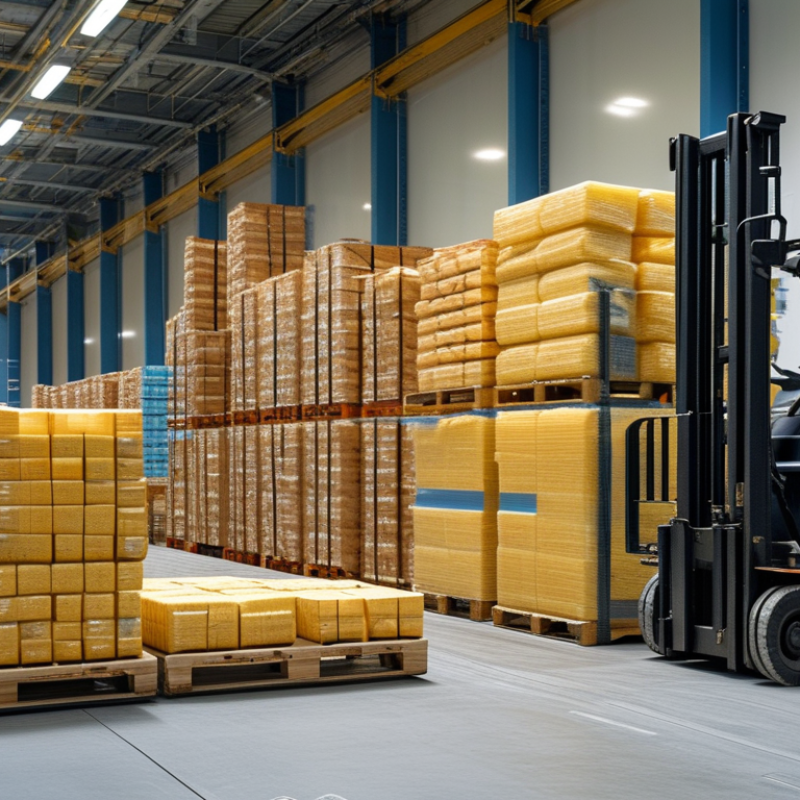
What Type of Industries Use Dock Leveler Systems Most?
A dock leveler system connects a warehouse floor with a truck bed. Its hinged platform rises, then lowers onto the trailer deck. Forklifts can cross the gap more smoothly.
Most systems appear in warehousing, manufacturing, food distribution, retail logistics, and parcel operations. These industries move pallets repeatedly, often under strict time pressure. A hydraulic, mechanical, or air-powered mechanism adjusts the platform height. The dock lip should rest securely inside the trailer before loading begins. That small contact point carries serious responsibility.
The 2024 MHI Annual Industry Report found that 83% of supply-chain professionals expected to increase technology investment within two years. Dock equipment is part of that broader modernization. However, automation does not remove basic risks. The U.S. Bureau of Labor Statistics reported a 2023 recordable injury and illness rate of about 4.8 cases per 100 full-time workers in transportation and warehousing, compared with roughly 2.4 across private industry. Conditions vary by operation.
A leveler is not a complete safety system. Workers still need trailer restraints, clear communication, inspections, and proper capacity checks. OSHA’s powered industrial truck guidance also emphasizes controlled travel and stable loads. In practice, damaged lips, poor lighting, or an uneven trailer floor can defeat good procedures. That gap matters. Maintenance schedules should reflect traffic volume, not merely calendar dates.
Warehouses and distribution centers use dock levelers more than most industries because their loading bays handle constant vehicle movement. Trailer floors rarely align perfectly with dock platforms. A dock leveler bridges that uneven gap and creates a smoother path for forklifts and pallet jacks. This saves time during receiving and shipping operations.
In a busy warehouse, workers may move hundreds of pallets through one bay each day. A reliable leveler helps reduce jolts when equipment crosses the gap. It also supports safer loading during rain, cold weather, or poor lighting.
Operators still need clear procedures, proper load ratings, and routine inspections. Small errors matter. A damaged lip or worn hinge can affect the entire workflow.
Distribution centers often use adjustable systems because truck heights vary between vehicles. A mechanic may check the deck, lip, springs, and hydraulic parts during scheduled maintenance. These checks can reveal unusual noise, uneven movement, or surface damage before a failure stops the dock. However, dock levelers are not a perfect solution. They cannot correct poor trailer positioning or careless driving. Each facility should review its traffic volume, equipment weight, dock height, and operating conditions before selecting a system. That practical review is sometimes skipped, and the resulting equipment may fit the building but not the daily work.
Manufacturing facilities rely on dock leveler systems when forklifts move pallets between trailers and elevated loading bays. These systems create a stable bridge across the height gap. That simple connection can reduce jolts, product damage, and awkward forklift movements. In a busy plant, seconds matter. A leveler also supports smoother traffic during receiving and shipping peaks. Operators can enter trailers with better wheel contact and fewer sudden transitions.
The best setup begins with the facility’s real conditions, not a generic specification. Teams should review trailer heights, pallet weights, forklift dimensions, traffic volume, and available pit space. A food processor may prioritize washdown resistance, while a metal plant may need higher impact tolerance. Capacity deserves careful attention. The published rating must match the combined load of the forklift, operator, and goods. Choosing only by average pallet weight is a common mistake. It ignores dynamic forces during entry and braking.
Maintenance keeps the system dependable. Inspect hinges, lips, hydraulic components, seals, and warning features on a planned schedule. Clear debris from the hinge area before it restricts movement. Training matters too. Operators should understand approach speed, trailer restraint procedures, and visible damage reporting. However, dock levelers are not a complete safety solution. Poor lighting, uneven floors, rushed loading, or damaged trailers can still create hazards. That limitation is easy to overlook. On every busy shift, small inspection details can influence loading efficiency and worker confidence.
What Type of Industries Use Dock Leveler Systems Most?
The Role of Dock Levelers in Retail and E-Commerce Operations
Retail and e-commerce warehouses depend on fast, repeatable trailer loading. The U.S. Census Bureau reported $1.1926 trillion in U.S. e-commerce sales during 2024. E-commerce represented 16.1% of total retail sales. That volume creates constant pressure at the loading dock.
A dock leveler bridges the height gap between a trailer and the warehouse floor. It helps pallet jacks and forklifts move smoothly across the dock edge. In retail distribution, this matters during mixed-load deliveries, where cartons arrive in different quantities and packaging formats. In e-commerce, levelers support frequent inbound replenishment and outbound parcel staging. Small delays can multiply across hundreds of daily trailer movements.
Safety remains part of the calculation. The U.S. Bureau of Labor Statistics recorded 4.8 total recordable injury and illness cases per 100 full-time workers in warehousing and storage during 2023. A properly maintained leveler can reduce abrupt transitions, but it cannot correct poor traffic control or rushed training. That assumption is too neat. Operators still need clear communication, wheel restraints, inspections, and sensible dock scheduling. The MHI 2024 Annual Industry Report also identifies automation as a growing supply-chain investment area. Yet automation does not remove the dock. It makes reliable dock interfaces more important, especially when equipment, trailers, and workers must share the same narrow space.
Rising U.S. e-commerce sales increase throughput requirements at retail distribution centers, fulfillment facilities, and parcel-handling warehouses. Dock levelers help bridge the height gap between loading docks and truck beds, supporting safer and more efficient loading operations. Sales figures are reported in billions of U.S. dollars.
Source: U.S. Census Bureau, Quarterly Retail E-Commerce Sales.
Manufacturing plants, distribution centers, cold-storage facilities, and large retailers commonly use dock leveler systems. However, industry alone does not determine the need. Daily loading volume, vehicle variety, and dock design matter more. A facility handling eighty trailers each day faces different demands than a small warehouse receiving three deliveries.
In practical site assessments, uneven trailer heights often reveal the strongest need. Small details matter. A leveler can bridge the gap between a dock platform and a trailer bed, helping forklifts move safely and efficiently.
Several factors determine the correct system. Dock height should match the trailers that arrive most often, but fleets rarely stay consistent. Load weight, pallet size, forklift type, and operating speed also affect performance. Cold environments may require durable materials and reliable movement during temperature changes.
Outdoor docks need attention to rain, ice, drainage, and corrosion. Available maintenance skills matter too. A complex system may perform well, yet become troublesome if staff cannot inspect it regularly. A perfect forecast is unrealistic. Reviewing delivery records every few months may produce better decisions.
Tips: Measure the highest and lowest trailer beds before selecting equipment. Record peak traffic periods, not only average activity. Check the full travel path for forklifts, wheel stops, and door clearance. Ask operators where delays or jolts occur. Their experience can expose problems missed during a short inspection. Leave room for future volume, but avoid buying capacity that the site cannot safely use. That choice deserves careful reflection.
: It connects an elevated warehouse floor with a truck bed. Its platform bridges the height gap.
The platform rises, then lowers onto the trailer deck. A hinged lip rests inside the trailer.
Warehousing, manufacturing, food distribution, retail logistics, and parcel operations use them frequently.
They create a smoother forklift path. This can reduce jolts, product damage, and sudden movements.
Review trailer heights, pallet weights, forklift size, traffic volume, and available pit space.
Include the forklift, operator, and goods together. Average pallet weight alone can mislead.
No. It is not foolproof. Restraints, communication, inspections, lighting, and training remain necessary.
Inspect hinges, lips, hydraulic parts, seals, and warning features. Remove debris from hinge areas.
Inspection frequency should reflect traffic volume, not only calendar dates. Busy docks may need closer attention.
Damaged lips, uneven trailer floors, poor lighting, rushed work, and unstable loads can create hazards.
Operators need controlled approach speeds and clear restraint procedures. They should report visible damage promptly.
No. Technology may improve operations, but careless loading and poor inspections can still cause trouble.
Dock leveler systems create a safe, adjustable bridge between a loading dock and a trailer, allowing forklifts and pallet jacks to move goods smoothly despite differences in vehicle height. They are especially valuable in warehouses and distribution centers, where frequent loading and unloading requires efficient traffic flow, reduced manual handling, and improved workplace safety. By supporting faster transfers, dock levelers also help businesses maintain organized schedules and protect products during delivery operations.
Manufacturing facilities use dock levelers to receive raw materials and ship finished goods with greater consistency, while retail stores and e-commerce fulfillment centers depend on them to manage high volumes of inventory and time-sensitive orders. When considering what industries use dock leveler systems most, companies should evaluate loading frequency, vehicle types, dock height differences, available space, product weight, and safety requirements. The right system can improve productivity, reduce equipment strain, and support reliable logistics across many commercial operations.

Spare PartPro