Proper installation of loading dock platforms is vital in various industries. According to the Occupational Safety and Health Administration (OSHA), over 20% of workplace injuries relate to falls and slips. This highlights the need for effective safety practices during installation. Understanding how to install a loading dock platform safely goes beyond following mere instructions; it requires a thorough grasp of safety protocols.
Many businesses overlook the intricacies of dock platform installation, but improper setup can lead to costly accidents. The National Safety Council reports that workplace injuries can lead to an annual loss of over $160 billion in costs. Implementing safety measures during the installation phase can significantly reduce these risks.
Even experienced workers can make errors. A lack of proper training or awareness can introduce hazards. As industries evolve, staying updated with the latest safety standards becomes crucial. Knowing how to install a loading dock platform safely can protect workers and minimize potential liabilities for companies.
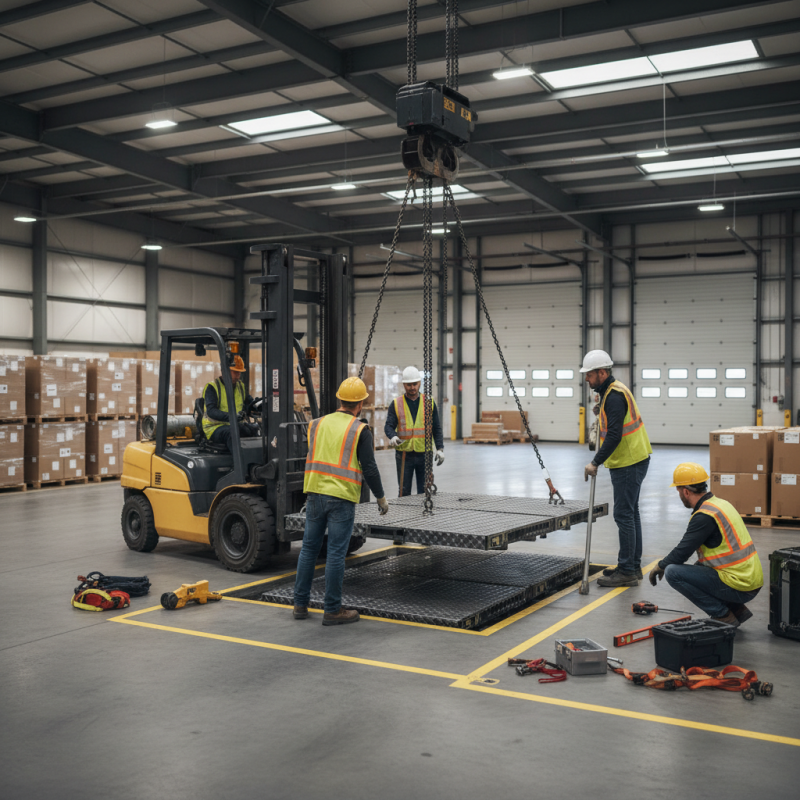
Understanding the importance of loading dock safety practices is vital for preventing accidents and injuries. Many facilities overlook this aspect, leading to hazardous work environments. Training staff on safe loading dock procedures can make a significant difference. A well-trained team is aware of the best practices for material handling and vehicle interaction.
Incorporating safety measures can be straightforward. Use clear signage to indicate safe zones. Mark areas where forklifts operate. Establish protocols for loading and unloading. Regularly inspect equipment and surfaces for hazards. This proactive approach minimizes risks. It also encourages a culture of safety.
Tips for maintaining a safe loading dock include using safety barriers and ensuring adequate lighting. Create a routine for checking dock levelers and maintaining them. Employees should wear appropriate safety gear, such as helmets and reflective vests. Regular safety meetings can keep safety top of mind. Remember, a safe loading dock benefits everyone involved. Adopting these practices is a step towards a secure workplace.
Loading dock platforms play a crucial role in warehouse and transportation safety. Adhering to safety regulations and standards is essential during installation. According to the Occupational Safety and Health Administration (OSHA), more than 100,000 injuries occur annually in loading dock environments. Proper installation can prevent many of these incidents.
Key safety regulations highlight the importance of maintaining a safe height differential between trucks and platforms. The American National Standards Institute (ANSI) provides guidelines on the required specifications and training for personnel. Implementing safety measures like guardrails and levelers can significantly reduce accidents. Many facilities may overlook these features, leading to potential hazards.
It's important to regularly review and audit loading dock operations. A study from the National Safety Council indicates that 75% of workplace accidents can be mitigated through proper training and adherence to safety protocols. Assessing your current procedures may reveal gaps. These gaps could endanger both workers and property. Regular training and updates to safety protocols are crucial for sustaining a safe loading environment.
| Regulation/Standard | Description | Importance | Frequency of Update |
|---|---|---|---|
| OSHA Standard 1910.26 | Regulations for the design and use of loading dock platforms. | Ensures worker safety and compliance with federal laws. | Reviewed every 5 years |
| ANSI/ASME B30.20 | Safety standards for below-the-hook lifting devices used at loading docks. | Prevents accidents related to lifting equipment failures. | Reviewed every 3 years |
| NFPA 70E | Standards for electrical safety in the workplace, applicable at loading docks. | Reduces electrical hazards and enhances worker protection. | Reviewed every 3 years |
| ISO 9001 | Quality management standards ensuring safe and efficient loading practices. | Improves operational effectiveness and customer satisfaction. | Reviewed every year |
Installing a loading dock platform safely is crucial for operational efficiency. According to the Occupational Safety and Health Administration (OSHA), improper dock installation can lead to serious hazards, resulting in numerous worker injuries. In 2019, OSHA reported that nearly 57,000 workers fell victim to slips, trips, and falls in loading yard environments. A safe installation can significantly reduce these risks.
When undertaking the installation, ensure proper alignment of the loading dock with trucks. Visually inspect the area for potential hazards, like uneven surfaces or clutter. Use quality materials to withstand heavy loads. Research from the National Safety Council indicates that using well-constructed platforms can prevent up to 75% of loading-related incidents. After installation, implementing regular safety audits is essential to identify wear and tear.
During the installation process, communication is key. Discrepancies in understanding can lead to unsafe conditions. Encourage feedback from workers on the site. Underestimate the training for your team at your own peril. A poorly informed workforce can jeopardize even the best installation practices. Regularly revisiting safety protocols can enhance overall performance and safety compliance.
Loading dock platforms are essential for efficient operations. However, installing them can be fraught with common mistakes. Many workers underestimate the importance of proper leveling. A dock that isn’t level can cause accidents and equipment damage. According to industry reports, properly installed loading docks reduce accidents by 30%. Ensuring a level surface is critical for safe and effective operations.
Another common mistake is neglecting to check load capacity. Every loading dock has a specific weight limit. Exceeding that limit can lead to structural failure. The Occupational Safety and Health Administration (OSHA) emphasizes the need for compliance with weight regulations. Accurate calculations and awareness can prevent costly errors. The risk of injury increases when workers are overloaded or when equipment fails.
Finally, proper training is essential. Many installations are performed by inexperienced staff. According to a survey, nearly 40% of loading dock accidents result from insufficient training. Investing in training sessions reduces these risks. It’s vital to understand safety protocols and installation guidelines. Recognizing these common mistakes can lead to safer, more effective loading dock operations.
Installing a loading dock platform involves using specific tools and equipment. Understanding these essentials is crucial for safe installation. According to the Occupational Safety and Health Administration (OSHA), accidents at loading docks account for a significant portion of workplace injuries. Having the right tools can drastically reduce these risks.
Key tools include power drills, levels, and forklifts. These are necessary for precise assembly and alignment. A power drill helps secure components firmly. Levels ensure that the platform is even, preventing potential hazards. Moreover, forklifts are vital for lifting heavy materials safely. The American National Standards Institute (ANSI) emphasizes the importance of using properly maintained equipment to minimize accidents during installation.
Safety gear is equally important. Hard hats, gloves, and steel-toed boots protect workers on-site. Statistics show that wearing appropriate safety gear can reduce injury rates by up to 50%. While the installation might seem straightforward, overlooking safety measures can lead to severe consequences. Regular training on equipment use is necessary, as misusing tools is a common issue in loading dock installations. Establishing routine checks can also help identify any equipment issues before they turn into safety hazards.
: Loading dock safety prevents accidents and injuries. It creates a safer work environment for everyone.
Facilities can enhance safety by training staff on safe procedures and implementing clear safety measures.
Use clear signage, mark forklift operation areas, and establish loading/unloading protocols.
Regularly inspecting equipment and surfaces is crucial. It helps identify hazards and minimizes risks.
Use safety barriers, ensure proper lighting, and check dock levelers routinely for safety.
Employees must wear helmets and reflective vests for protection while working.
Regular safety meetings remind employees of protocols. They keep safety a top priority in the workplace.
Improper installation can lead to serious hazards. These may result in worker injuries, affecting overall safety.
Clear communication is essential during installation. It helps identify potential misunderstandings that may lead to unsafe conditions.
Regularly reviewing safety protocols enhances performance and ensures compliance, maintaining a secure work environment.
In today's fast-paced logistics environment, knowing how to install a loading dock platform safely is crucial for ensuring smooth operations and compliance with safety standards. Understanding the importance of loading dock safety practices not only protects workers but also prevents costly accidents. Familiarity with key safety regulations and standards helps guide the installation process, ensuring that all federal and state mandates are followed.
The installation process involves a step-by-step guide that highlights essential tools and equipment necessary for achieving safety throughout the installation. Additionally, avoiding common mistakes during installation can significantly diminish risks. By being informed and equipped, businesses can effectively implement safe loading dock practices that enhance operational efficiency and safeguard personnel.
Spare PartPro