In the era of Industry 4.0, warehouses are evolving into smart ecosystems that enhance efficiency and productivity. The integration of advanced technologies into dock systems plays a crucial role in this transformation. According to a recent report by Gartner, over 70% of companies are exploring automation in their supply chain operations. This data highlights the urgency to understand how to integrate dock systems into smart warehouses effectively.
Smart dock systems offer real-time tracking, automated scheduling, and improved safety protocols. They connect seamlessly with other warehouse technologies, fostering a cohesive operational framework. However, the complexity of these integrations requires careful planning and expertise. A survey by McKinsey indicates that 50% of businesses struggle with implementing these advanced systems due to integration challenges. This illustrates the need for well-defined strategies to overcome potential pitfalls.
As we delve into the top methods of integration, it's essential to acknowledge that the journey is not straightforward. Each warehouse has unique operational demands, and solutions must be tailored accordingly. Missteps can lead to increased costs and inefficiencies. Therefore, understanding the nuances of how to integrate dock systems into smart warehouses is vital for success.
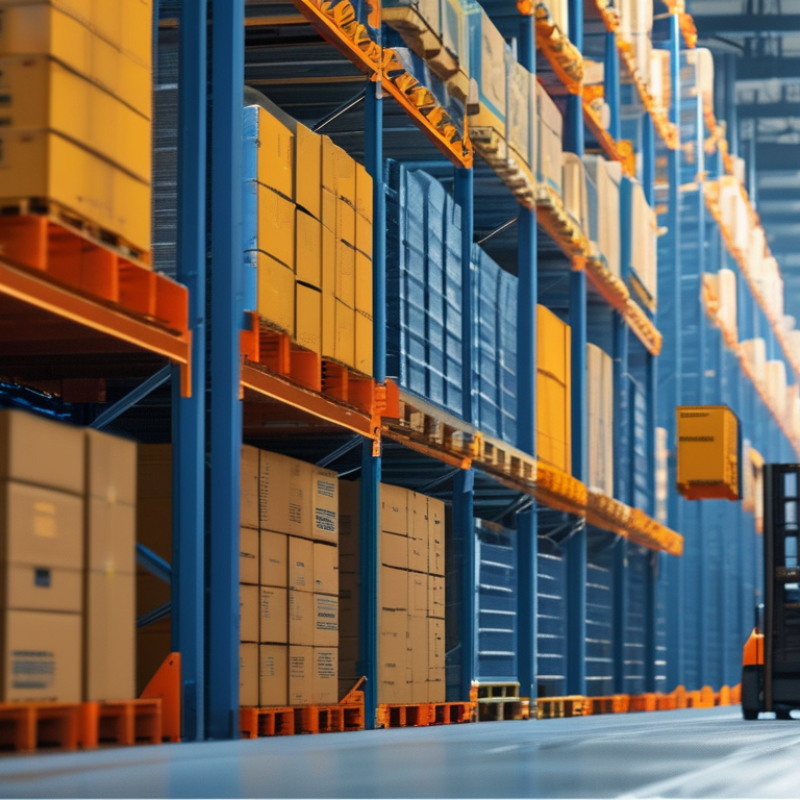
In the evolving landscape of smart warehouses, dock systems play a crucial role. These systems facilitate the efficient movement of goods. They act as the gateway between storage and transportation, directly impacting workflow and productivity. Well-integrated dock systems streamline unloading and loading processes, minimizing delays. This, in turn, enhances overall warehouse efficiency.
Understanding their function is essential. Dock systems must be integrated with advanced software solutions for real-time monitoring. This helps in anticipating supply chain disruptions. However, many facilities struggle with outdated infrastructure, leading to inefficiencies. An effective dock system should boost communication between various parts of the operation. Sensors and automation reduce manual errors, but implementing them requires careful planning.
Reflecting on the integration, companies often overlook the adaptability of dock systems. Flexibility is vital in a rapidly changing market. The need for constant assessment of the dock area can help identify potential bottlenecks. Emphasizing safety and worker comfort often gets lost in the focus on speed. Balancing these elements creates a more sustainable operational environment, fostering both efficiency and employee well-being.
Assessing your warehouse infrastructure is crucial for effective dock system integration. A report by the Warehouse Management Institute highlights that roughly 70% of warehouses face challenges in adapting to new technologies. Evaluating your current layout, flow of goods, and existing equipment is a vital step. Many facilities remain constrained by outdated systems that do not leverage automation or real-time analytics.
To start, consider the dock layout. Insufficient space or poorly designed docking stations can impede efficiency. Approximately 30% of warehouse delays originate from dock congestion. Upgrading or redesigning these areas to accommodate advanced docking systems can mitigate these bottlenecks. Additionally, integrating automated guided vehicles (AGVs) can streamline product movement. Yet, this requires a clear understanding of existing workflows and potential obstacles.
Moreover, training staff on new technologies is often overlooked. The integration of sophisticated systems is hindered without proper user engagement. Data indicates that organizations with a defined training program see a 25% improvement in operational efficiency. Challenges in upgrading infrastructure often stem from a lack of realistic assessments of current capabilities. A successful integration strategy must acknowledge both strengths and weaknesses in your existing operations.
In modern smart warehouses, automated technologies are transforming dock operations. These advancements streamline the process, reduce human error, and enhance efficiency. Dock systems now integrate robots and AI to assist in loading and unloading. Automated guided vehicles (AGVs) are commonly used for transporting goods. They operate with precision, navigating complex warehouse layouts.
Implementing such technologies requires careful planning. Not all docks can easily adapt to automation. Facilities must evaluate their existing infrastructure and workflows. Some may find it challenging to integrate systems effectively. Software solutions play a significant role in coordinating these operations. Real-time tracking is key to maintaining smooth workflows.
Despite the advantages, issues can arise. Over-reliance on technology might lead to disruptions. Technical failures can halt operations unexpectedly. Training staff to manage these systems is also critical. A blend of human insight and automated support often yields the best outcomes in docking strategies. Embracing change is necessary, but careful reflection on each step is vital.
| Method | Description | Benefits | Challenges |
|---|---|---|---|
| Automated Docking Systems | Utilizing robots and automated vehicles for loading and unloading operations. | Increased efficiency and reduced labor costs. | High initial investment cost. |
| Real-time Inventory Tracking | Implementing RFID and GPS technology for tracking goods. | Improved accuracy in inventory management. | Need for reliable technology and infrastructure. |
| Smart Dock Scheduling | Using software to optimize dock scheduling based on demand. | Minimized wait times for trucks and improved operational flow. | Requires integration with existing traffic management systems. |
| Automated Safety Systems | Implementing sensors and alarms to prevent accidents at docks. | Enhanced safety for personnel and property. | Ongoing maintenance and updates required. |
| Dock Levelers | Utilizing hydraulic or mechanical levelers for smooth transitions. | Improved efficiency in loading/unloading processes. | Potential mechanical failures requiring emergency repairs. |
| Data Analytics for Performance Tracking | Analyzing data from dock operations to enhance performance. | Better decision-making based on performance insights. | Need for skilled analysts and appropriate tools. |
| Integrated Communication Systems | Centralizing communication between dock workers and management. | Improved coordination and reduced miscommunication. | Requires effective training for all users. |
| Mobile Applications for Dock Operations | Developing apps for real-time updates and communication. | Greater accessibility for on-the-go updates. | Dependence on mobile device usage and support. |
| Energy Management Systems | Implementing systems to monitor and reduce energy consumption. | Reduced operational costs and environmental impact. | Requires regular monitoring and adjustments. |
| Cross-Docking Systems | Directly transferring products from incoming to outgoing vehicles. | Reduced storage needs and faster fulfillment. | Limited applicability depending on inventory types. |
Integrating real-time data analytics into dock management can vastly improve efficiency. Smart warehouses leverage sensor technology to track shipments. Data collected from these sensors provide crucial information about arrival times and load conditions. This allows for better scheduling and reduced wait times at docks.
However, organizations often struggle with data overload. Every shipment generates numerous data points, which can be daunting to analyze. The challenge lies in filtering out irrelevant information to focus on actionable insights. Inadequate analysis may lead to missed opportunities for optimization. Continuous adjustments are necessary to enhance data interpretation and usage.
Moreover, integrating analytics requires ongoing training for staff. Employees must understand how to use data effectively. If not, the system might not reach its full potential. Refining processes based on real-time feedback can further elevate dock operations. Investing in analytics can yield substantial rewards, but it is crucial to approach it with a mindset of continuous improvement.
Enhancing safety and security measures in dock systems integration is crucial for any smart warehouse. A well-designed dock area minimizes risks and boosts efficiency. Effective lighting is essential. Ensure all dock areas are brightly lit. This deters unauthorized access and enhances visibility for forklift operators.
Utilizing advanced surveillance systems adds another layer of security. Cameras should be placed strategically to monitor all movements in and out of the docks. However, relying solely on surveillance isn't enough. Regular training on safety protocols for employees is vital. Without proper training, even the best systems can fail.
Implementing secure access controls is a significant step forward. Use biometrics or coded entry systems to limit access. It’s not foolproof; human error occurs. Reports of unauthorized access often highlight oversight in protocol adherence. Continually assess your security strategies and make necessary adjustments to create a safer environment.
: It helps identify challenges in adapting to new technologies and improves operational efficiency.
About 70% of warehouses report difficulties in adapting to new technological advancements.
Poorly designed docking stations can cause congestion and delays, impacting overall productivity.
Approximately 30% of delays stem from dock congestion, highlighting the need for better design.
Proper training on new technologies can improve operational efficiency by 25%.
Organizations struggle to analyze numerous data points, risking missed optimization opportunities.
It provides critical information for better scheduling and reduces wait times at docks.
The full potential of the integrated system may not be realized, hindering effectiveness.
Ongoing analysis and adjustments are needed to ensure effective use of collected data.
A realistic assessment of strengths and weaknesses is essential for a successful integration strategy.
Integrating dock systems into smart warehouses is a crucial process that enhances operational efficiency and logistics management. To effectively understand how to integrate dock systems into smart warehouses, one must first assess the existing warehouse infrastructure to identify compatibility and necessary upgrades. Automated technologies play a vital role in facilitating seamless dock operations by streamlining processes, thus minimizing delays and errors.
Furthermore, implementing real-time data analytics provides valuable insights into dock management, allowing for informed decision-making and proactive adjustments. Safety and security measures are essential during this integration, ensuring that both personnel and goods are protected throughout operations. Overall, by combining these strategies, warehouses can achieve a highly efficient and automated docking process, essential for modern supply chain success.

Spare PartPro