In modern logistics, the safety of loading and unloading areas is crucial. Many companies struggle with high accident rates in these spaces. Understanding how to reduce accidents in loading and unloading areas is vital for protecting workers and improving efficiency.
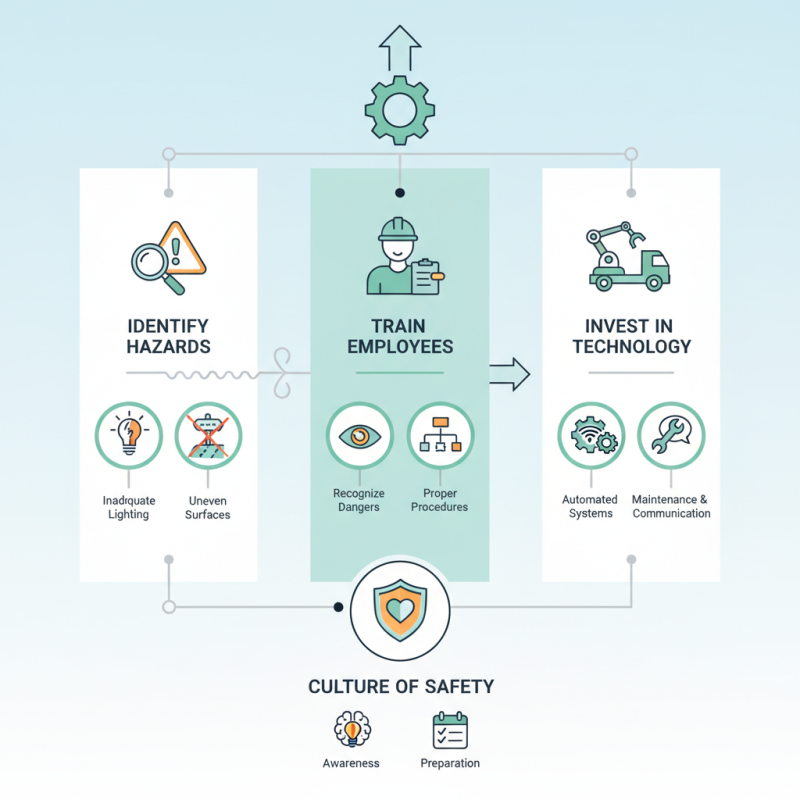
Identifying hazards is the first step. Regular safety audits can expose risks such as inadequate lighting, poor signage, and uneven surfaces. Training employees effectively can make a significant difference. They must recognize the dangers and know proper procedures. However, despite these efforts, accidents still occur, highlighting the need for continuous improvement.
Investing in technology offers innovative solutions. Automated systems can manage loading docks, reducing human error. Yet, reliance on technology alone isn’t enough. Regular maintenance and clear communication remain essential. Without them, even the best systems can fail, putting everyone at risk. Establishing a culture of safety is the ultimate goal, reminding us that awareness and preparation are key to preventing accidents.
Identifying Common Hazards in Loading and Unloading Areas
Loading and unloading areas pose significant risks in warehouses and distribution centers. According to the Occupational Safety and Health Administration (OSHA), about 25% of all workplace accidents occur in these zones. Common hazards include the presence of moving vehicles, pedestrian traffic, and equipment malfunction. Most incidents result from insufficient training or a lack of safety protocols.
One major hazard is the risk of vehicle-pedestrian collisions. In a 2022 study by the National Safety Council, it was found that over 50% of loading dock accidents involve workers being struck by forklifts. Poor visibility, cluttered areas, and poorly marked pathways contribute to these accidents. Proper signage and training are essential measures that can help mitigate these risks.
Another concern is the potential for slips, trips, and falls. A report from the Bureau of Labor Statistics indicates that slips and falls account for nearly 30% of all workplace injuries in loading zones. Uneven surfaces, wet conditions, and unsecured materials increase these risks. Regular inspections and maintenance can significantly lower accident rates, yet many companies neglect these simple practices. A proactive approach to identifying hazards can save lives and reduce injury rates.
Implementing Safety Training for Employees and Operators
In loading and unloading areas, safety training is crucial. Employees need to understand potential hazards. This includes moving equipment and unstable loads.
Real-life scenarios during training can enhance understanding. For instance, reenacting a loading fault can teach proper responses.
Safety measures should not be assumed. Regular drills may expose gaps in knowledge. Operators often overlook simple precautions, like checking equipment before use. This oversight can lead to accidents.
Continuous education keeps safety at the forefront. Sessions can be short but frequent, reinforcing lessons.
Feedback is vital. Workers' insights can identify blind spots in training. They may spot risks that management misses. Creating a culture of safety awareness encourages everyone to participate. This shared responsibility can lead to fewer accidents.
Implementing safety training is an ongoing journey, not a one-time event.
Utilizing Proper Equipment and Technology for Safe Operations
Loading and unloading areas are often neglected when it comes to safety. These zones can be hazardous without proper equipment and technology. Forklifts and pallet jacks must be maintained regularly. Using the right tools reduces the risk of accidents significantly. Training employees on how to operate this equipment is vital. They should be well-informed about potential dangers in these areas. Safety gear, like helmets and reflective vests, should always be worn.
Technology plays a significant role in enhancing safety. Installing cameras can help monitor operations in real-time. They provide a clear view of the area, alerting staff to hazards. Advanced alarms can warn workers of nearby machinery. These systems can prevent injuries by encouraging quick reactions. However, there is still room for improvement. Not all facilities implement these technologies. Some rely on outdated equipment, which can be dangerous. Regular assessments of equipment and safety practices should be enforced to enhance overall safety.
Effective communication among team members is also crucial. Using walkie-talkies or headsets can ensure everyone is aware of ongoing operations. This helps in coordinating movements efficiently. However, it can be overlooked in a fast-paced environment. There should be reminders to prioritize safety over speed. Encouraging a culture of accountability can make a real difference. Everyone should feel responsible for maintaining a safe loading and unloading area.
Establishing Clear Communication Protocols Among Workers
Effective communication is vital in loading and unloading areas. Workers need clear protocols to follow. Misunderstandings can lead to dangerous situations. For example, when a driver is reversing, signals must be visible to nearby workers. Using hand signals can reduce confusion. Everyone should know the meaning of these signals.
Regular training sessions can enhance communication skills. These should focus on the importance of speaking up. Employees should feel comfortable reporting any concerns. It’s essential to create a supportive environment where workers can share experiences and learn from mistakes. Miscommunication often stems from assumptions that may be false. Reflecting on past incidents can help in improving these protocols.
Notice the workflow in busy areas. Are workers aware of their surroundings? Frequent check-ins can promote safety. Make sure that all team members understand their roles. It's not just about following a checklist; it’s about developing a culture of safety. Enforcing a standard of accountability is crucial. Everyone must commit to keep the area safe.
Regularly Reviewing and Updating Safety Procedures and Policies
Regularly reviewing and updating safety procedures and policies is crucial in reducing accidents in loading and unloading areas. According to the Occupational Safety and Health Administration (OSHA), around 20% of workplace injuries occur in these zones. This statistic emphasizes the need for vigilant safety management. Regular audits can identify potential hazards, ensuring that the policies not only exist but are effectively communicated.
Implementing routine training sessions keeps employees informed about best practices. Employees should be aware of their surroundings at all times. Reports show that companies with regular safety drills see a 30% reduction in incidents. In contrast, neglecting such practices can lead to complacency and confusion during critical moments. Engaging employees in safety discussions can foster a culture of accountability.
In addition, policies must adapt to changing conditions. For example, if new equipment is introduced, existing procedures should be assessed for relevance. Stagnant safety protocols may become outdated, leading to new risks. Reflection on past incidents can uncover patterns that need addressing. Consistent review of these procedures helps maintain a safe environment, reducing the likelihood of accidents significantly.
FAQS
: Safety training helps employees recognize hazards in loading and unloading areas. It prepares them for real-life scenarios.
Reenacting loading faults helps workers learn proper responses. This hands-on approach improves understanding of safety measures.
Operators should check equipment condition first. Overlooking this can lead to accidents and injuries.
Continuous education reinforces safety knowledge. Short, frequent sessions keep safety in focus over time.
Workers’ feedback reveals knowledge gaps. Their insights may identify risks that management might overlook.
Regular maintenance of forklifts and pallet jacks prevents accidents. Properly functioning tools are essential for safety.
Cameras and alarms monitor risks in real-time. These technologies prompt quick reactions to potential hazards.
Effective communication, like using headsets, ensures all team members are aware. This coordination is critical in busy environments.
The rush to finish tasks can ignore safety reminders. Prioritizing speed over safety increases the risk of accidents.
Encouraging shared responsibility fosters safety. Everyone should feel accountable for maintaining safe working conditions.
Conclusion
Effective strategies on how to reduce accidents in loading and unloading areas focus on several key aspects. First, identifying common hazards is crucial, as it allows for the recognition of risks such as improper handling of heavy loads or pedestrian traffic. Safety training for employees and operators promotes awareness and ensures that all individuals understand the best practices to follow while working in these potentially dangerous environments.
Additionally, utilizing proper equipment and technology can significantly enhance safety measures, reducing the likelihood of accidents. Establishing clear communication protocols among workers is also essential to ensure that everyone is aware of operations happening nearby. Finally, regularly reviewing and updating safety procedures and policies helps to adapt to any changes in the work environment, making continuous improvement a priority in accident prevention efforts.

 Spare PartPro