Choosing a dock system affects more than the time it takes to load a truck. It can influence operator effort, daily throughput, maintenance planning, and the safety of routine work. A manual dock leveler may suit a facility with lighter traffic and straightforward loading needs. A hydraulic system can reduce physical effort and support frequent operation, but it typically brings added equipment and service considerations. Neither option is automatically right for every site.
The practical question is how to choose between manual and hydraulic dock systems. Start with the details operators see every day: truck arrivals per shift, typical cargo weights, dock height differences, and available maintenance support. A busy distribution area may value quicker, easier cycles. A smaller warehouse may prefer a simpler mechanism that staff can inspect and operate with confidence. Details matter. So do installation conditions, user training, and the manufacturer’s service guidance. Ask suppliers for specifications that match your actual dock, not just a broad product category. No shortcut works. The five tips in this guide offer a clear way to compare performance, cost, upkeep, and workplace demands before deciding. Some assumptions may change after a site assessment, and that is worth acknowledging. A careful choice starts with observed needs, not the appeal of a particular mechanism.
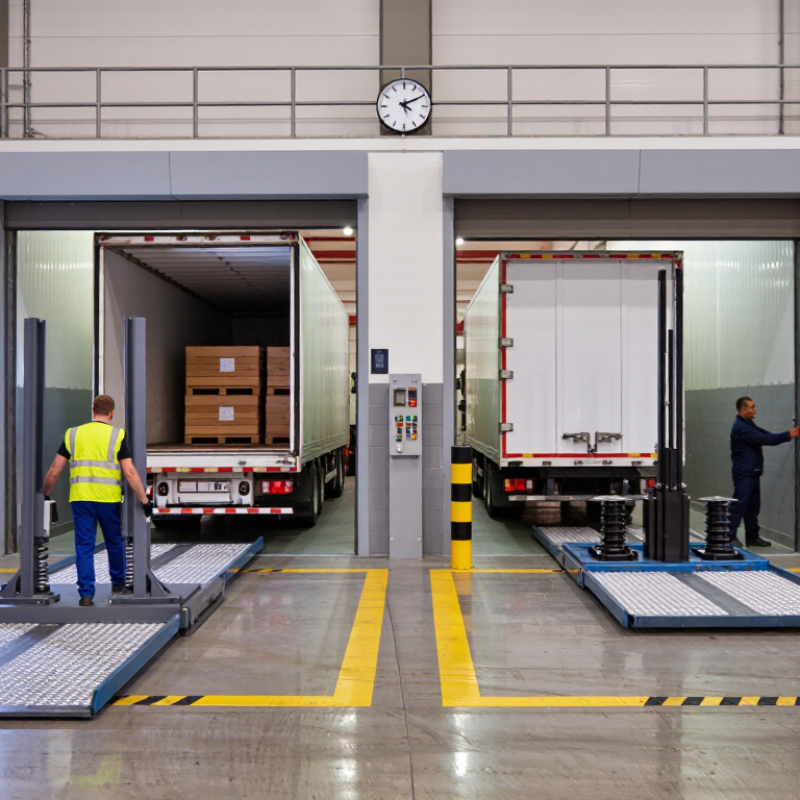
Manual and hydraulic dock systems bridge the gap between a loading dock and a trailer, but they move differently. A manual leveler uses mechanical components, often including springs and a pull chain, to raise the platform and position its lip. The operator guides the lip onto the trailer floor. Exact steps vary by design, so the equipment instructions matter. It takes effort. A hydraulic system uses a pump and cylinders to lift the deck and extend the lip, usually through a control switch. That reduces manual handling, especially during frequent loading.
Tip: Compare real work patterns, not just purchase prices. Count daily truck visits and note typical cargo weights. A small warehouse with occasional deliveries may manage well with a manual unit. Busy docks often benefit from hydraulic operation. Check power availability, service access, and operator training needs before choosing.
Pay attention to the trailer-height range and the condition of the dock pit. A leveler that cannot meet common trailer heights can slow loading or create awkward transitions for pallet trucks. Keep the area clear, inspect hinges and hoses, and follow the manufacturer’s maintenance schedule. Hydraulic systems need checks for leaks and fluid condition; manual units also need moving parts inspected. I might be tempted to choose the simplest option, but actual traffic can change that calculation.
Choosing manual versus hydraulic dock systems starts with an honest look at daily loading volume and dock capacity. Count truck arrivals during a typical shift, then note peak periods, pallet weights, and how long each vehicle occupies a bay. A dock handling six loads a day may not need the same equipment as one turning over trucks every hour. Peak demand matters.
Tip 1: Track actual usage for at least a week. Record the number of loads, approximate weights, and delays caused by adjusting dock equipment. Include unusually busy days; averages can hide bottlenecks. A clipboard log works fine. Don’t guess from memory.
Tip 2: Match the system to the dock and the work. Manual equipment can suit lower-volume bays where staff can safely operate it and adjustments are occasional. Hydraulic systems can reduce repeated physical effort and help keep frequent loading cycles moving, but they need suitable power, maintenance, and space. Check the dock’s rated capacity, too. A powerful system cannot make an undersized dock safe. Consider future volume, but avoid buying for a growth forecast that is still uncertain. Real operations can change. Recheck the numbers before deciding.
Manual and hydraulic dock systems should be compared by total installed cost, not equipment price alone. A manual leveler usually needs less electrical work and has fewer hydraulic components, which can reduce initial expense. Still, pit condition, concrete repairs, and installation labor can outweigh the equipment difference. Ask for itemized quotes covering removal, pit modifications, wiring, commissioning, and operator training. Small details matter.
For ongoing costs, compare inspection intervals, parts availability, and the time needed to return a dock to service. The U.S. Bureau of Labor Statistics reported a $63,510 median annual wage for industrial machinery mechanics in May 2024; this is a useful labor-cost reference, not a contractor billing rate. The U.S. Department of Energy’s Operations & Maintenance Best Practices guide estimates predictive maintenance can reduce maintenance costs by 8–12% compared with preventive maintenance programs. That broad estimate is not dock-specific, but it shows why planned inspections may matter. Hydraulic systems can offer easier operation, yet hoses, seals, and power units add service points. Manual systems are simpler, but repeated physical effort and slower handling also have costs. I would compare three to five years of service records where available. The uncomfortable part: local labor rates and actual loading frequency can change the result more than the purchase price.
Choosing manual or hydraulic dock equipment starts with the actual work pattern. Count daily truck visits, typical load weights, and how often dock height changes. Manual systems may suit lighter, occasional use, but require controlled effort and clear operator training. Repeated adjustments can create fatigue. That matters.
Hydraulic systems can reduce physical effort during frequent operation, yet they add components that need inspection. Check hoses, fittings, fluid levels, controls, and any manufacturer-specified emergency procedure. Ask how the platform behaves during a power interruption. A powered system is not automatically safer; guarding, stable vehicle positioning, and correct operating steps remain essential.
Conditions around the dock can change the decision. Rain, dust, cold, uneven approaches, and limited maintenance access may affect performance. Review the equipment’s rated capacity against real loads, including concentrated wheel loads, and have a qualified professional confirm suitability. Watch the weather. A neglected manual mechanism can also become unreliable, while a well-maintained hydraulic unit may serve demanding cycles effectively. It is easy to focus on purchase price and miss the cost of inspections, training, and downtime. Compare those needs with the site’s staffing and service capabilities before choosing.
Compare typical operating characteristics, then match the system to your dock’s workload, power availability, and safety controls.
How to read this: Ratings are indicative planning scores, not measured product-test results. Higher scores indicate a stronger typical fit for that characteristic. Manual systems can suit lower-cycle docks where power independence and mechanical simplicity matter; hydraulic systems can reduce operator effort and suit frequent operation, but rely on a maintained power unit. Safety depends on the complete installation, including suitable vehicle restraints, guards, training, and inspections—not on actuation type alone.
Choosing between manual and hydraulic dock systems starts with daily traffic. Count trailer movements during peak shifts, not just the weekly average. A dock serving a few deliveries may work well with a manual leveler. Repeated loading cycles can make hydraulic operation more practical. Small details matter. Note how often doors open and how long trucks wait.
Match the system to your loads and equipment. Record the heaviest pallet, forklift type, and typical height difference between trailer beds and the dock. Ask a qualified dock professional to check capacity and site conditions before selecting equipment. Operator effort matters, too. A manual system may require more hands-on work, while a hydraulic unit needs reliable power and scheduled inspections.
Look beyond installation cost. Consider service access, staff training, cleaning routines, and the availability of maintenance support. Dust, moisture, and heavy use can affect inspection needs. Then test your long-term plan: Will shipment volume rise, or will larger equipment use the bay? That estimate can be wrong. Still, planning for likely changes may prevent an early replacement. Compare the full operating costs and downtime risks for each option, not only the purchase price.
| Tip | What to Assess | Manual Dock System | Hydraulic Dock System | How to Choose |
|---|---|---|---|---|
| 1. Match the system to loading frequency | Daily truck movements, shift patterns, and peak periods | Often suits lower- or moderate-traffic docks where operators can safely position and return the leveler for each use. | Powered operation can reduce repeated manual effort at busy docks and may support a more consistent workflow. | Estimate actual cycles per day and peak-hour demand. Consider hydraulic equipment when frequent use makes manual operation a bottleneck. |
| 2. Consider labor and ergonomics | Operator workload, training, and safe operating procedures | Typically requires an operator to use a handle or chain to position the platform; correct training and safe procedures are important. | A control activates the lifting system, reducing the physical effort required to raise and position the platform. | Review the task with dock workers and safety staff. A powered system may be preferable where repetitive manual operation creates avoidable strain. |
| 3. Compare installation and ownership costs | Purchase price, electrical work, installation, service, and downtime | Generally has fewer powered components and may have a lower initial equipment cost, depending on the model and site. | Usually involves a power unit and electrical connection, which can add installation and service considerations. | Compare total cost over the expected service life, not purchase price alone. Obtain site-specific quotes; costs vary by size, capacity, building conditions, and local labor. |
| 4. Verify capacity and operating conditions | Equipment weights, wheel loads, vehicle types, dock height, and environmental exposure | Available ratings and features depend on the specific model; manual operation does not by itself determine load capacity. | Available ratings and features also depend on the specific model; hydraulic operation does not automatically mean a higher capacity. | Select a rated unit based on the heaviest expected loads and applicable requirements. Have a qualified supplier verify the dock, pit, and vehicle interface. |
| 5. Plan for maintenance and future growth | Maintenance capability, parts access, expansion plans, and expected throughput | Mechanical components still require inspection and maintenance; the operating method is less dependent on an electrical power unit. | Requires checks of hydraulic and electrical components in addition to routine dock-equipment inspections. | Choose equipment your team can maintain and service. If dock volume is expected to rise, plan for future workflow needs and verify building and electrical capacity before installation. |
Note: System features, ratings, maintenance requirements, and costs vary by model and installation. Confirm specifications with a qualified dock-equipment professional before purchase.
Track truck arrivals, load weights, and delays for at least one week. Include busy shifts. A clipboard log works.
It may fit a bay with occasional adjustments and lighter traffic. Staff must be able to operate it safely. Repeated effort can cause fatigue.
Frequent loading cycles may make powered adjustment useful. It can reduce repeated physical effort. It also needs power and scheduled maintenance.
Note the heaviest pallet, forklift type, and typical height difference between truck beds and the dock. Small details matter.
Compare its rated capacity with real loads, including concentrated wheel loads. Ask a qualified professional to confirm the dock and site are suitable. Don’t rely on guesswork.
Check hoses, fittings, fluid levels, and controls according to the equipment requirements. Consider service access and inspection schedules. Power interruptions need a plan.
Yes. Rain, dust, cold, uneven approaches, and limited maintenance access can affect operation. Watch the weather.
No. Compare training, inspections, power, service access, and downtime costs. Consider likely future traffic, but forecasts can be wrong. I might still underestimate how much operations change.
Choosing the right dock system starts with understanding how each option works. Manual systems rely on operators to position and secure equipment, while hydraulic systems use powered mechanisms to adjust the dock with less physical effort. Consider how often your facility loads and unloads, the number of dock positions, and the capacity needed to keep operations moving efficiently. These factors help determine whether a straightforward manual setup is sufficient or whether hydraulic operation better supports your daily workload.
When deciding how to choose between manual and hydraulic dock systems, compare the full costs of purchase, installation, and ongoing maintenance—not just the initial price. Also assess safety requirements, expected reliability, operating conditions, and the availability of trained staff. Finally, match the system to your facility’s layout and future plans, including anticipated changes in loading volume. A well-matched choice can support dependable operations while avoiding unnecessary complexity or expense.

Spare PartPro