10 Tips for Fixing Common Loading Dock Problems

Time:2026-11-24 Author:Liam
0%

Loading docks work under constant pressure. Trucks arrive, doors cycle, and goods move through narrow spaces. A small fault can slow an entire shift. A dock leveler that stops short may leave a gap at the trailer. A damaged seal can let rain and cold air reach stored products. What are common problems in loading dock operations? They often include malfunctioning doors, worn levelers, unreliable restraints, poor lighting, clutter, and missed maintenance. Some warning signs are easy to overlook. A new rattle. A slow lift. A puddle near the threshold. These details deserve attention before they become larger interruptions.

This guide presents ten practical tips for identifying and addressing common dock problems. It covers routine inspections, cleaning, equipment checks, clear communication, and when to involve a qualified technician. A simple checklist can help teams notice recurring faults, but it cannot replace manufacturer instructions or site-specific safety procedures. Not every problem has a quick fix. That matters. A loose guard or unusual hydraulic leak should not be treated as routine wear; pause work in the affected area and follow established procedures. Even careful teams can miss things, especially during busy shifts. Reviewing near misses and maintenance records can reveal patterns that a single walk-through cannot. The goal is not a perfect dock. It is a safer, more reliable operation, one practical correction at a time.
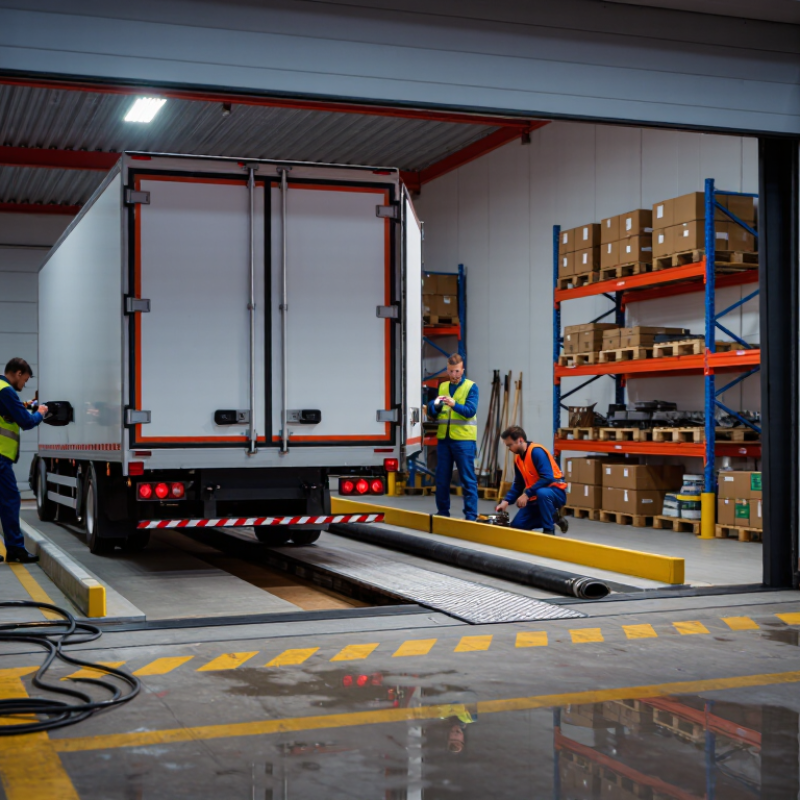
10 Tips for Fixing Common Loading Dock Problems

Recognize Common Loading Dock Problems

A loading dock rarely fails without leaving clues. Watch for water beneath the door after rain, torn seals, or daylight around the trailer. These gaps can mean drafts, wet floors, and added strain on temperature-controlled areas. A dock leveler that jerks, sits unevenly, or makes a sharp clank deserves attention. Check the hinge area and platform edges for visible damage, but keep clear of moving equipment. Small changes matter.

Notice how the dock sounds and feels during normal work. A door that needs extra force, a restraint that will not engage, or a trailer that shifts during loading may point to a developing fault. Look for cracked concrete, loose bumpers, dim lights, and repeated puddles near drains. One odd noise may not reveal the cause. Record when it happens and what equipment was in use. That detail helps a qualified maintenance professional assess the problem instead of guessing. I once treated a recurring puddle as a housekeeping issue; the nearby drain was partly blocked. A quick visual check can help, but it cannot replace a proper inspection.

Inspect Equipment and Trace the Cause

When a dock leveler hesitates, do not assume the motor is failing. Watch one complete cycle from a safe position, and note where movement slows, stops, or sounds different. A scrape near the lip may point to debris or a bent hinge, while a pump that runs without lifting can suggest a hydraulic leak or low fluid. Small clues matter.

Inspect visible parts before changing settings. Check dock bumpers for uneven compression, restraint lights for clear signals, and the door track for loose fasteners or packed dirt. Look for oil beneath cylinders, frayed cables, cracked welds, and damaged weather seals. Record the time, load, and symptoms; patterns often reveal more than one hurried repair. Keep hands clear of pinch points, and never work beneath an unsupported platform. Stop use and call a qualified technician if you find structural damage or cannot identify an energy source. Do not guess.

Trace the cause, not just the symptom. If a door sticks only on cold mornings, inspect lubrication and track alignment before blaming the operator. It is easy to settle on the first explanation; that can be wrong. A quick adjustment may hide wear and bring the fault back next week. Compare notes across several shifts, then test repaired equipment without a load before returning it to service.

10 Tips for Fixing Common Loading Dock Problems - Inspect Equipment and Trace the Cause
Common Problem What to Check Likely Cause Practical Corrective Action How to Verify the Fix
Dock leveler will not raise or lower Check the power supply, control switch, visible wiring, and area around the leveler. Power interruption, failed control component, hydraulic leak, or a mechanical obstruction. Keep the dock out of service, isolate power before inspection, and have a qualified technician diagnose electrical or hydraulic faults. Remove only loose debris that can be cleared safely. Run the leveler through its operating cycle with the dock area clear and confirm smooth movement without unusual noise or leakage.
Dock leveler moves slowly or unevenly Observe movement, inspect for visible hydraulic leaks, and check for damage or debris at hinges and supports. Low hydraulic fluid, air in the system, worn components, contamination, or binding parts. Do not compensate by adding fluid without checking for leaks or following the equipment procedure. Arrange qualified service for hydraulic inspection and adjustment. Confirm that the leveler travels evenly and holds its position as designed under an approved functional test.
Vehicle restraint does not engage Inspect the restraint’s visible components, sensors, controls, and indicator lights; check for dirt or damage. Sensor obstruction, misalignment, electrical fault, or a vehicle that is not positioned correctly. Keep the vehicle secured by the site’s approved alternative procedure. Clear safe-to-remove debris and request service for damaged or misaligned components. Test engagement and release according to the manufacturer’s operating procedure before returning the restraint to service.
Dock door is difficult to open or close Look for track obstructions, loose or damaged hardware, uneven movement, and unusual sounds. Debris in the tracks, worn rollers, damaged springs, or misalignment. Clear minor obstructions only if this can be done safely. Do not adjust springs or other high-tension parts; have a trained door technician inspect them. Operate the door through a full cycle and confirm it moves smoothly and closes securely.
Air or water enters around the dock door Inspect the perimeter seals, door bottom, dock shelter or seal, and contact points around the vehicle. Worn or torn seals, poor vehicle positioning, damaged dock shelter, or a door that does not close evenly. Replace damaged sealing components with suitable parts and review vehicle positioning and door-closing procedures. Check for visible gaps when the door is closed and the vehicle is positioned at the dock.
Dock bumper is loose or damaged Check the bumper face, mounting points, and dock wall for cracks, missing fasteners, or displacement. Repeated impact, worn mounting hardware, or deterioration of the bumper material. Restrict use of the affected position if protection is inadequate. Arrange repair or replacement and inspect the supporting structure. Confirm the bumper is securely mounted and positioned to protect the building and vehicle during normal docking.
Excessive vibration or unusual noise Note when the sound occurs and inspect visible fasteners, hinges, rollers, and moving parts for looseness or wear. Loose hardware, worn bearings or rollers, misalignment, or a component contacting an obstruction. Stop using equipment that appears unsafe. Have a qualified technician identify the source and tighten, align, or replace parts as required. Repeat the operating cycle and confirm the noise or vibration is resolved without new symptoms.
Dock lights do not work Check the switch, power source, visible cable condition, and whether one or multiple lights are affected. Tripped circuit, failed lamp, damaged wiring, or a faulty switch. Use a safe alternative lighting arrangement until visibility is restored. Electrical repairs should be performed by qualified personnel. Confirm adequate illumination at the dock and that controls operate as intended.
Water collects near the dock Inspect the floor slope, drain grates, nearby roof or wall leaks, and the condition of door seals. Blocked drainage, damaged seals, surface damage, or water entering from outside. Keep the area clear of standing water, remove drain debris where safe, and address the source of the water before normal operations resume. Check the area after cleaning or rainfall and confirm water drains without creating a slip hazard.
Repeated equipment failures Review maintenance and repair records, note operating conditions, and compare when and where failures occur. Missed preventive maintenance, repeated impact, unsuitable operating practices, or an underlying electrical or mechanical fault. Track symptoms and repair history, inspect the full system, and update maintenance or operator training based on the confirmed cause. Monitor subsequent operating cycles and maintenance records to determine whether the failure pattern has stopped.

Repair Levelers, Doors, Seals, and Restraints

A loading dock often shows small warning signs before a major failure. A leveler that stops short may have debris near its hinges, a damaged lip, or a hydraulic leak. Tip: Check for loose parts, unusual noises, and fluid beneath the platform. Keep people clear, and take the dock out of service if it moves unpredictably. Hydraulic or structural repairs belong to trained technicians; a quick adjustment can make the problem worse.

Doors need steady movement and a clear track. Tip: Look for bent sections, worn rollers, and gaps that let daylight through when the door is closed. Never force a binding door or adjust a loaded spring. Small clues matter. A door can seem fine during a quick test, then stick under repeated use. That’s an easy detail to miss.

Inspect seals for tears, compressed sections, and daylight around the trailer. Replace damaged material so rain, dust, and drafts stay outside. For restraints, check visible wear and confirm the device engages as intended, following the site’s test procedure. Tip: Don’t rely on an indicator light alone; verify the restraint and trailer are secure before loading. If the signal or movement seems inconsistent, stop and report it. The cause isn’t always obvious.

Improve Dock Safety and Traffic Flow

Loading docks become risky when people, forklifts, and trucks compete for the same narrow space. Mark separate pedestrian lanes and keep crossings limited to visible points. Paint can fade beneath tire traffic, so inspect markings during routine walk-throughs. Keep pedestrians clear of trailer gaps, and use agreed signals before vehicles move. Small changes matter. A painted line alone cannot prevent every conflict.

Set a one-way route where the yard allows it, and keep pallets out of turning areas. Stagger arrivals when possible; several trucks arriving together can block access and pressure crews. Before loading, confirm the trailer is secured according to site procedures and the dock leveler is properly positioned. Keep plates, bumpers, lights, and restraint points in working order; report defects instead of routing around them. Review near misses with workers who use the dock daily. They may spot blind corners or confusing signals that a manager misses. Even a clear plan needs adjustment when traffic patterns change.

10 Tips for Fixing Common Loading Dock Problems

Prioritize hazards that could cause a fall, vehicle movement, or equipment failure.

How to read this chart: Scores are an illustrative response-priority guide, not measured incident data. Stop dock operations and address any immediate danger first. Check restraints, levelers, dockboards, and clear access routes; report defects, improve lighting, and keep staging areas tidy. Adapt priorities to your site’s risk assessment.

Prevent Recurring Issues with Routine Maintenance

A loading dock rarely fails all at once. A door that drags, a small gap beneath the seal, or a leveler that moves unevenly can signal wear before a breakdown. Build a brief inspection into each shift: check the door’s travel, listen for new scraping or banging, and look for loose hardware, damaged bumpers, or torn seals. Small changes matter. Record what you find, even when it seems minor; memory is not a maintenance system.

Tip: Keep the dock area clean. Remove loose debris from the leveler and check that drains are clear, especially after rain or heavy deliveries. Look for standing water, oil, or cracked concrete near the approach. These details are easy to overlook when vehicles are waiting. It is tempting to blame every delay on the equipment, but traffic patterns and operator habits can reveal another cause.

Tip: Follow the equipment maker’s service schedule and have qualified technicians handle adjustments or repairs. Before inspection or cleaning, use the site’s established procedures to keep equipment from moving unexpectedly. Check seals, hinges, controls, and visible wiring routinely, and track repeat faults by dock position. A note such as “left door sticks when cold” is more useful than “door problem.” Maintenance records will not prevent every failure, and a missed check happens. The important part is spotting the pattern and responding before minor wear disrupts a busy shift.

FAQS

What warning signs suggest a loading dock needs inspection?

Look for water beneath doors, torn seals, daylight around trailers, or repeated puddles. Small clues matter.

What should I do if a dock leveler jerks or sits unevenly?

Keep people clear and stop using it if movement seems unpredictable. Report it to a qualified maintenance professional. Don’t guess.

Can I fix a noisy or leaking leveler myself?

Check for visible debris or fluid from a safe distance. Hydraulic and structural repairs belong to trained technicians.

How can I spot a door problem?

Watch for bent sections, worn rollers, binding, or gaps when the door is closed. Never force it.

What should I check on dock seals and restraints?

Look for torn or compressed seals and visible restraint wear. Confirm the restraint works according to site procedures. A light alone isn’t enough.

How can a dock reduce pedestrian and forklift conflicts?

Mark separate walking lanes and limit crossings to visible points. Paint fades under tires, so check it during walk-throughs.

What helps prevent congestion in the loading area?

Use one-way routes where practical, keep pallets clear of turning areas, and stagger truck arrivals when possible. Crowded yards get tense.

Why should workers report near misses?

Daily users may notice blind corners or confusing signals. I once treated a puddle as a housekeeping issue; a blocked drain was the cause. I missed that at first.

Conclusion

This guide explains what are common problems in loading dock operations and how to address them systematically. Issues such as malfunctioning dock levelers, damaged doors, worn seals, unreliable vehicle restraints, and blocked traffic routes can interrupt work and create safety risks. A careful inspection helps identify the source of each problem, from equipment wear and poor alignment to inadequate housekeeping or rushed procedures.

Practical repairs should restore levelers, doors, seals, and restraints to dependable working condition, while clearer traffic flow and safe operating habits help protect workers and equipment. Routine maintenance, including scheduled inspections, cleaning, lubrication, and prompt attention to early warning signs, can reduce repeat breakdowns and costly delays. With consistent checks and timely repairs, a loading dock can remain safer, more efficient, and better prepared for daily operations.

Liam

Liam

Liam is a dedicated marketing professional with a profound expertise in the industry, where he excels at highlighting the unique advantages of our core products. With a keen understanding of market trends and consumer needs, Liam frequently updates our company’s professional blog, providing......