Best 10 Tips to Reduce Accidents in Loading and Unloading Areas?

Time:2026-08-15 Author:Sophia
0%

Loading and unloading areas are critical points in many industrial and logistics environments. These zones pose unique risks, making it essential to understand how to reduce accidents in loading and unloading areas. Employers and workers must recognize that safety begins with awareness and proactive measures.

Whether it's the movement of heavy machinery or the transport of goods, these areas often see high traffic and potential hazards. Effective communication between team members is vital in maintaining a safe environment. Regular training on safety protocols can significantly decrease the likelihood of accidents. Moreover, proper signage and clear pathways help guide both vehicles and pedestrians.

Despite best efforts, accidents can still occur. Reflecting on past incidents can offer valuable insights. Identifying patterns in accidents can help organizations strengthen their safety measures. Everyone plays a role in creating a safer workplace, and ongoing vigilance is key. By prioritizing safety and training, we can make substantive improvements in these high-risk zones.
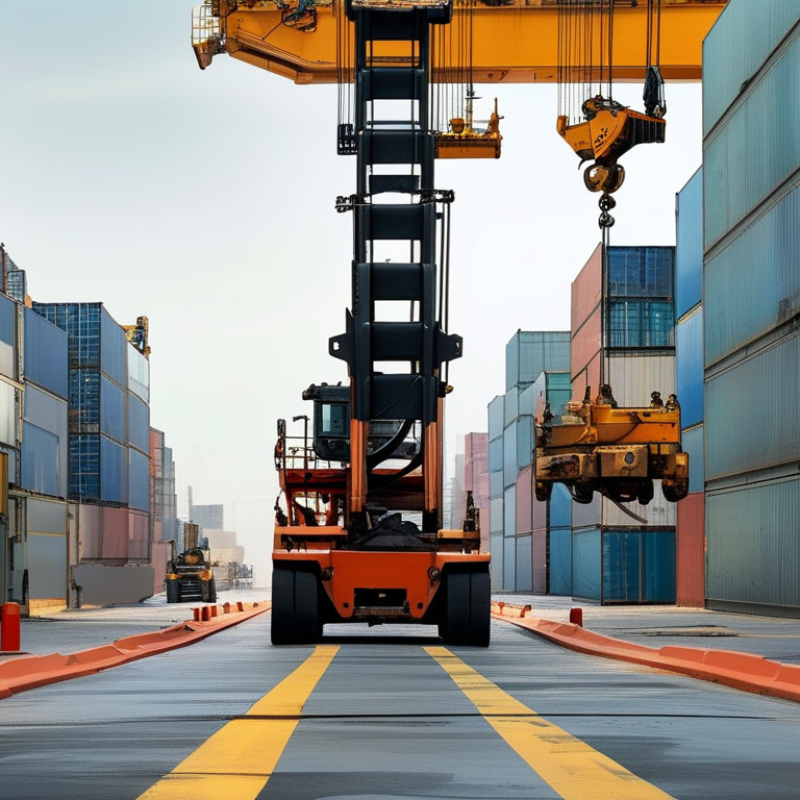
Best 10 Tips to Reduce Accidents in Loading and Unloading Areas?

Implement Regular Safety Training for Warehouse Staff

Loading and unloading areas are often high-risk zones in any warehouse environment. A significant number of workplace accidents occur during these operations. According to the National Safety Council, about 25% of all workplace injuries are due to slips, trips, and falls. This high statistic emphasizes the need for effective safety training for warehouse staff. Regular training sessions can substantially reduce these incidents by educating employees on the best practices for material handling and equipment use.

Incorporating hands-on training is essential. Simulations and practical exercises allow employees to experience real-world scenarios safely. For instance, a study by the Occupational Safety and Health Administration revealed that warehouses implementing frequent safety drills saw a 40% decrease in accidents over two years. However, many companies still overlook this crucial aspect. They may invest in equipment but neglect continuous education. It leads to complacency among staff members. Training should not be a one-time event but a continuous process that evolves alongside operational changes.

Safety protocols must be clear and frequently revised. Employees should comprehend the risks involved in loading and unloading. A lack of awareness can stem from inadequate training or miscommunication. In a fast-paced environment, it's easy to overlook details. If workers are not well-informed, even minor oversights can lead to significant accidents. Reflecting on past incidents can facilitate improvements in training programs, ensuring safety remains a priority in loading and unloading areas.

Utilize Proper Signage and Markings in Loading Zones

Loading and unloading areas pose significant risks if not properly managed. Effective signage and markings play a crucial role in enhancing safety. Clear and visible signs help workers recognize loading zones. They inform drivers where to stop, where to load, and most importantly, where it is unsafe to enter while loading or unloading occurs.

Markings on the ground should include designated lanes and safety lines. They guide both vehicles and pedestrians. Distinct colors help demarcate these areas, ensuring that everyone knows their boundaries. Reflective tape can enhance visibility, especially in low light. However, these measures only work if regularly maintained. Faded markings or obscured signs lead to confusion and accidents.

Incorporating feedback from workers regarding signage can also improve safety measures. Engaging those who work on the ground provides insights into practical challenges. Relying solely on standard protocols can miss dynamic hazards present in daily operations. Continuous evaluation of the effectiveness of signage keeps the environment safe.

Best 10 Tips to Reduce Accidents in Loading and Unloading Areas

Tip Number Tip Description Expected Outcome
1 Install clear signage indicating loading zones Reduced confusion and improved safety awareness
2 Use bright colors for pavement markings Enhanced visibility for drivers and pedestrians
3 Regularly inspect and maintain signage and markings Consistent clarity in navigation and safety instruction
4 Introduce speed limits in loading areas Decreased risk of accidents due to faster vehicles
5 Assign staff for traffic control during peak hours Improved coordination and expedited loading/unloading
6 Implement a training program for employees Heightened awareness and enhanced safety practices
7 Use barriers or cones to delineate safe paths Clear demarcation of vehicle and pedestrian zones
8 Encourage communication between drivers and workers Minimized misunderstandings leading to accidents
9 Ensure proper lighting in loading/unloading areas Increased visibility during low-light conditions
10 Establish a reporting system for near misses Proactive measures to prevent future incidents

Adopt Technology for Real-Time Monitoring and Alerts

The loading and unloading areas are often hotspots for accidents. To enhance safety, adopting technology can greatly help. Real-time monitoring systems track movements and alert staff about potential hazards. This proactive approach can reduce incidents significantly.

Utilizing sensors and cameras ensures that everyone is aware of their surroundings. For instance, sensors can detect when someone is too close to moving machinery. Alerts can be sent directly to workers’ devices. This technology offers an immediate response to any signs of danger. Combining this with adequate training ensures all employees know how to react.

Regular audits of these technologies are also critical. Reviewing alert logs can reveal patterns of risky behavior. It’s essential to encourage staff to report near misses. Not all issues result in accidents, but they signify a potential danger. Implementing these tips can contribute to a safer loading and unloading environment, benefitting everyone involved.

Conduct Regular Maintenance on Loading Equipment

Maintaining loading equipment is essential for safety in loading and unloading areas. Regular inspections can prevent unexpected failures. According to the National Safety Council, around 20% of workplace injuries occur during material handling. This alarming statistic emphasizes the need for proactive equipment checks. Worn-out parts, such as rollers and belts, can lead to dangerous situations. These components must be examined frequently to ensure they are functioning properly.

A recent report from the Occupational Safety and Health Administration (OSHA) revealed that 70% of loading dock accidents occur due to equipment malfunctions. Operators may overlook minor issues, causing larger problems down the line. The machinery should always be serviced according to manufacturer guidelines. Creating a routine maintenance schedule encourages accountability among staff. It fosters a culture where safety becomes a shared priority.

Training employees on equipment handling is equally crucial. Engaging workers in safety protocols can help them identify potential hazards. Inadequate training can lead to accidents, with 25% of all warehouse injuries attributed to poorly trained personnel. Addressing these gaps is vital in improving the overall safety of loading zones. Prioritizing maintenance and training can significantly reduce risks in operational environments.

Analyze Incident Reports to Identify Patterns and Solutions

Analyzing incident reports is crucial for improving safety in loading and unloading areas. By examining these reports, patterns often emerge that point to common causes of accidents. For instance, many reports reveal that insufficient lighting and cluttered spaces increase the risk of injuries. Identifying such hazards is a first step toward implementing effective solutions.

A thorough review of past incidents can highlight specific time frames or locations where incidents frequently occur. If accidents often happen during peak hours, it may indicate a need for more personnel or enhanced training. Similarly, if certain loading docks are more hazardous, that could signal the need for structural modifications or better signage. Collecting data from these incidents can foster a culture of safety, encouraging employees to report near-misses and unsafe conditions without fear.

Moreover, understanding the human factor in these accidents is vital. Employees may rush or overlook safety protocols under stress. This reflection suggests the importance of ongoing training and a focus on ergonomic practices. Regularly revisiting incident reports can create a feedback loop that continuously improves safety measures. It is essential to question current protocols and remain open to change, ensuring a safer environment for all workers.

FAQS

: How can technology enhance safety in loading areas?

: Technology like real-time monitoring systems alerts staff about potential hazards, significantly reducing incidents.

Why is regular maintenance of loading equipment important?

Regular inspections prevent unexpected failures and reduce the risk of accidents during material handling.

What are the consequences of inadequate equipment handling training?

Poor training can lead to accidents, contributing to a significant portion of workplace injuries.

How can incident reports improve workplace safety?

Analyzing incident reports reveals patterns and common causes, helping identify and address hazards.

What risks come from cluttered spaces in loading zones?

Cluttered spaces increase the risk of injuries, highlighting the need for organization and clear pathways.

How should companies encourage staff to report near misses?

Creating a culture of safety makes employees feel comfortable reporting unsafe conditions without fear.

What should be examined during routine equipment checks?

Inspecting worn parts like rollers and belts is crucial to ensure machinery operates safely.

How does stress affect employee safety in loading areas?

Under pressure, employees may rush and overlook safety protocols, potentially leading to accidents.

When is it necessary to revisit incident reports?

Regular reviews ensure ongoing improvements, revealing new patterns that require attention.

What role does training play in enhancing workplace safety?

Ongoing training helps employees identify hazards and fosters a culture of safety in operational environments.

Conclusion

To effectively address how to reduce accidents in loading and unloading areas, it is essential to implement regular safety training for warehouse staff. This ensures that employees are well-versed in safety protocols and can recognize potential hazards. Additionally, utilizing proper signage and markings in loading zones helps to guide both pedestrians and vehicles, reducing misunderstandings that can lead to accidents.

Furthermore, adopting technology for real-time monitoring and alerts can significantly enhance safety by providing instantaneous feedback on unsafe conditions. Regular maintenance on loading equipment is crucial to prevent malfunctions that could cause injuries. Finally, analyzing incident reports allows organizations to identify patterns and develop targeted solutions, ultimately fostering a safer working environment in loading and unloading areas. By focusing on these strategies, companies can create a proactive approach to safety and significantly minimize the risk of accidents.

Sophia

Sophia

Sophia is a dedicated marketing professional with an exceptional depth of knowledge about her company's products and services. With a keen understanding of market trends and customer needs, she crafts insightful blog posts that not only inform but also engage readers, enriching the company’s online......