In today's fast-paced logistics environment, understanding what are the latest trends in warehouse automation is crucial. The industry is evolving rapidly, driven by advancements in technology. Automation is no longer a luxury; it is a necessity for competitiveness and efficiency. Businesses are investing in cutting-edge solutions to meet customer demands.
Robotic systems are taking center stage. They increase speed and precision in warehouse operations. Automated Guided Vehicles (AGVs) are now commonplace, reducing human error and enhancing safety. Data analytics is also transforming how warehouses function. Real-time insights help in making informed decisions, optimizing inventory management, and improving productivity.
However, with these advancements, challenges remain. Implementing automation can be costly and requires significant planning. Companies must ensure that staff are trained effectively to work alongside new technologies. Balancing automation with human jobs raises ethical questions. Thus, navigating the landscape of warehouse automation requires thoughtful consideration of both opportunities and challenges.
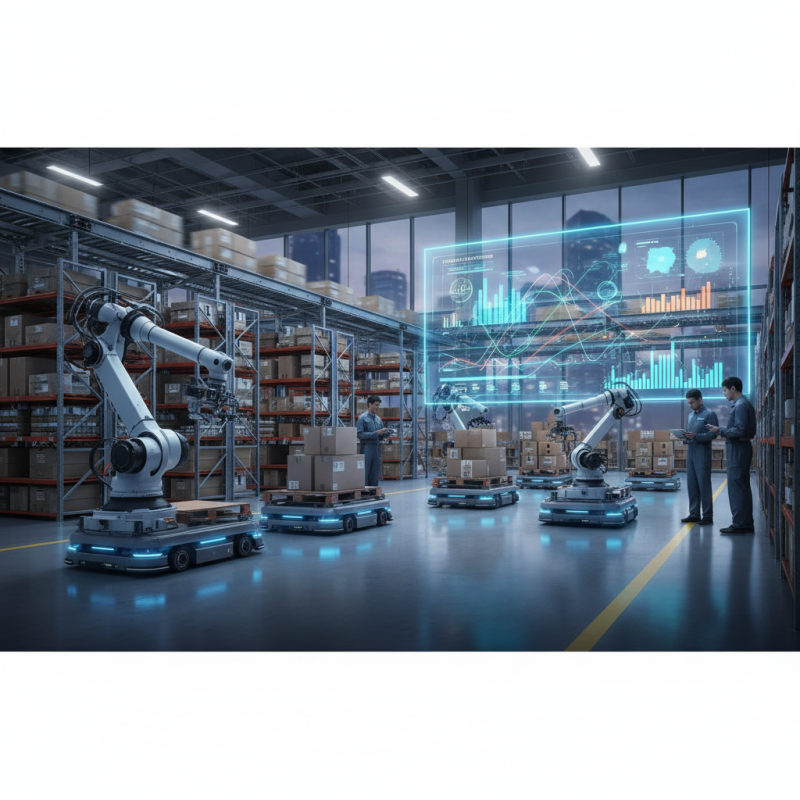
Warehouse automation is evolving rapidly. Key technologies are reshaping the landscape this year. Robotics play a crucial role.
Automated guided vehicles (AGVs) and mobile robots are designed to transport goods efficiently. These machines reduce the need for human labor. However, they require maintenance and can malfunction. Ensuring reliability is vital.
Artificial intelligence (AI) is another transformative force. Algorithms analyze data to forecast inventory needs. This helps in reducing excess stock. Yet, the integration of AI can be complex. Organizations must invest time and expertise to reap its benefits. Training staff to use AI tools effectively is just as important.
Moreover, the Internet of Things (IoT) is enhancing warehouse operations. Smart sensors monitor inventory levels in real-time. This connectivity allows for better decision-making. Nevertheless, the reliance on technology raises concerns about data security. In an automated environment, safeguarding information is crucial. Balancing automation with human oversight remains a challenge.
The integration of robotics in warehouse operations significantly boosts efficiency. Robots can perform repetitive tasks like sorting, packing, and transporting goods. This reduces the time taken for these tasks compared to manual labor. However, reliance on robotic systems can lead to challenges. For instance, unexpected maintenance issues might interrupt workflows.
Cost reduction is another crucial aspect. Automated systems lower labor costs and minimize human error. Businesses can save on wages by using robots for tasks traditionally done by workers. But the initial setup cost of these systems can be high. Organizations must weigh these factors carefully to ensure a return on investment.
Robotics can also enhance warehouse safety. Automated machines reduce the risk of workplace injuries. Yet, the introduction of robots requires workers to adapt to new roles. Training may be necessary, which adds to the overall expenses. Balancing technology and human input creates a more resilient operational environment.
Warehouse automation is evolving rapidly. AI and machine learning play a crucial role in transforming inventory management. By analyzing data, these technologies optimize stock levels and predict demand more accurately. This leads to reduced costs and enhanced efficiency in operations.
The implementation of AI helps in real-time tracking of inventory. With smart algorithms, businesses can minimize human error. It’s significant to remember that not every prediction will be perfect. Sometimes, the data may not capture market fluctuations effectively. This can lead to overstocking or stockouts.
**Tips:** Regularly review your algorithms and data inputs. Make adjustments based on current trends. Combining human insights with AI insights can provide a more rounded approach. Don't solely rely on technology; human expertise is still invaluable. Balancing automation with personal oversight leads to better results in inventory management.
Warehouse automation is evolving rapidly. Autonomous vehicles and drones are at the forefront of these changes. These technologies streamline operations and increase efficiency. They can move goods quickly and accurately across vast spaces.
Imagine a fleet of drones delivering packages to various locations in a warehouse. This not only speeds up the process but reduces human error.
However, the integration of these technologies isn't without challenges. Organizations must invest in infrastructure and training. Workers need to adapt to new systems. There can be resistance to change, leading to productivity hiccups. It's essential to foster a culture open to innovation. This includes providing support for workers as they transition to automated roles.
While autonomous vehicles can enhance inventory management, they are not infallible. They depend on sophisticated algorithms that still require oversight. Human intervention remains crucial to address unexpected situations. Balancing technology and human intelligence is vital. Embracing these trends can lead to significant advancements in the warehousing sector. Yet, it requires careful planning and consideration to ensure long-term success.
Integrating IoT solutions into warehouse management significantly improves operations. By using sensors and smart devices, managers can monitor inventory levels in real-time. This technology helps prevent stockouts and overstock situations. Visibility is crucial. Workers can receive instant notifications about inventory changes, reducing response time.
Real-time data analytics provide insights into operational efficiency. This information helps identify bottlenecks quickly. For example, if a particular area is always congested, changes can be made. Yet, implementing IoT is not without challenges. Integration with existing systems can be complex. Training staff to adapt to new technologies also requires time and resources.
Furthermore, data security should not be overlooked. As warehouses become more connected, they can be vulnerable to cyber threats. Ensuring robust cybersecurity measures is essential for protecting sensitive information. Addressing these risks can be daunting but necessary for leveraging the full potential of IoT in warehouse automation.
: Robotics, AI, and IoT are the main technologies reshaping warehouse operations this year.
Robots perform tasks faster than humans, reducing sorting, packing, and transportation time.
Unexpected maintenance issues may disrupt workflows, requiring careful planning and management.
AI analyzes data to optimize stock levels and forecast demand, enhancing efficiency and reducing costs.
Data may not always reflect market changes, leading to overstocking or stockouts.
Training staff is crucial to maximize the benefits of AI technologies.
IoT devices monitor inventory levels in real-time, improving decision-making processes.
Data security is critical; protecting information is essential in an automated environment.
Organizations should integrate human insights alongside automated processes for better outcomes.
Regularly assess algorithms and adjust based on market trends to improve accuracy.
In 2023, the landscape of warehouse automation is rapidly evolving, driven by several key technologies that enhance operational efficiency. Robotics plays a crucial role in streamlining processes, significantly reducing costs while improving productivity. Additionally, the integration of AI and machine learning is transforming inventory management, allowing for smarter forecasting and resource allocation.
Moreover, what are the latest trends in warehouse automation also include the rise of autonomous vehicles and drones, which are set to revolutionize material handling and logistics within warehouses. The adoption of IoT solutions is further elevating warehouse operations by enabling real-time monitoring and data analysis, paving the way for more responsive and agile supply chain management. As these technologies continue to develop, they promise to reshape the future of warehousing.

Spare PartPro