As online orders grow, warehouses are changing from storage spaces into responsive, data-driven operations. Managers now ask, “what are the latest trends in warehouse automation” before investing in new equipment. The answer includes artificial intelligence, autonomous mobile robots, computer vision, and smarter warehouse management systems. These technologies are no longer limited to large distribution centers.
A robot may carry a 30-kilogram tote across a concrete floor while software adjusts its route around workers. Vision systems can inspect labels, identify damaged packaging, and reduce picking errors. Digital twins also help teams test layout changes before moving a single rack. Cloud-based platforms connect inventory, labor, transport, and order data in near real time. Small improvements matter.
Modern automation is also becoming more flexible. Collaborative robots can support packing teams without replacing every manual task. Modular conveyors and robotic storage systems allow warehouses to expand gradually. Energy monitoring, battery optimization, and reusable packaging are gaining attention as operating costs rise. However, automation is not a guaranteed shortcut. Poor data, weak training, and unsuitable workflows can make expensive systems perform badly. That lesson deserves more attention.
This guide examines the practical technologies shaping warehouse automation today. It considers implementation costs, workforce effects, system integration, cybersecurity, maintenance, and measurable performance. It also separates proven applications from optimistic marketing claims. Reliable decisions require supplier evidence, pilot testing, safety reviews, and clear return-on-investment targets. The most effective warehouse may not be the most automated one. It is the one that combines dependable technology with informed human judgment.
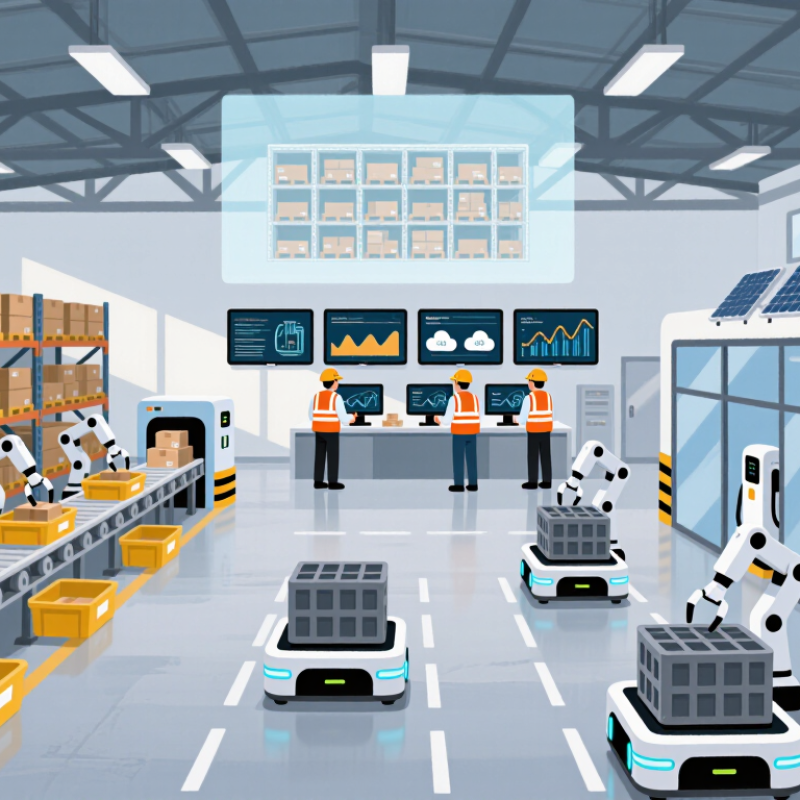
Warehouse automation is the use of technology to move, store, sort, and track goods with less manual intervention. Its scope now covers conveyor systems, autonomous mobile robots, automated storage, inventory software, and computer vision. The goal is not full replacement of people. It is safer handling, faster order flow, accurate stock records, and better use of warehouse space.
Recent systems increasingly connect sensors, warehouse software, and real-time analytics. A worker may receive a digital task while a mobile unit brings a storage bin to the picking area. Cameras can check package labels, dimensions, and damaged cartons before shipping. Energy monitoring is also becoming important, especially in facilities operating around the clock. Small process improvements matter. A shorter walking route can save thousands of steps each day.
From practical warehouse assessments, automation works best when the basic process is stable. Poor product data can make advanced equipment perform badly. That part is often underestimated. Companies should measure order accuracy, picking time, safety incidents, labor movement, and equipment downtime before selecting solutions. Flexible systems are useful when product sizes and demand change. Yet automation can create new maintenance skills gaps and unexpected integration costs. Human review remains necessary for exceptions, fragile items, and unusual orders. The technology is improving, but it is not automatically intelligent.
Modern warehouse automation is moving beyond isolated machines. The strongest systems connect automated storage, mobile robots, conveyor controls, and warehouse execution software. This connection helps orders move from receiving to picking with fewer manual handoffs. It also exposes weak processes quickly.
Artificial intelligence now supports slotting, demand forecasting, and route planning. Computer vision checks carton sizes, labels, and damaged packaging in real time. Sensors track temperature, vibration, battery levels, and equipment movement. Edge computing can reduce delays when cloud connections become unstable. Digital twins allow managers to test layout changes before moving a single rack.
Human-robot collaboration is expanding in picking and replenishment areas. Robots can carry heavy loads, while trained workers handle exceptions and quality decisions. Autonomous systems are useful, but they are not automatically efficient. A poor warehouse layout can make advanced equipment look surprisingly slow. I have seen teams measure robot speed while ignoring walking distance, congestion, and training time. That is a costly blind spot.
Cybersecurity is also becoming part of daily warehouse planning. Connected equipment needs controlled access, software updates, and clear recovery procedures. Reliable automation depends on clean inventory data, disciplined maintenance, and practical safety checks. Some facilities still lack these basics. Their technology may be modern, but their operating habits are not. Testing small workflows before full deployment often reveals problems that simulation misses.
Automated warehouse operations are shifting from isolated machines toward coordinated, data-led systems.
In recent implementation projects, orchestration has become the central trend. Software now balances robots, conveyors, storage locations, and human labor in real time. A delayed inbound truck can change the picking sequence within minutes. This flexibility helps during seasonal demand, when fixed routines often fail.
Still, clean data remains the weak link. It is not glamorous.
Computer vision is improving inventory accuracy and workplace awareness.
Cameras can identify damaged cartons, empty storage slots, and unsafe obstructions. Artificial intelligence also supports demand forecasting and predictive maintenance. A motor showing unusual vibration may need inspection before a breakdown stops several aisles.
Digital twins add another practical layer. Managers can test layout changes virtually, rather than moving heavy equipment blindly. These models are useful, but they depend on accurate assumptions.
A perfect simulation can still describe the wrong warehouse.
Energy efficiency is reshaping automation decisions.
Facilities are using smarter charging schedules, regenerative systems, and shorter travel paths. Human-centered design is growing too. Workers need clear alerts, adjustable workstations, and training for exception handling. Cybersecurity deserves equal attention as more machines connect to shared networks.
The industry sometimes treats automation as a finished installation. It is not. Continuous testing, maintenance, and honest review remain essential when real orders become unpredictable.
Warehouse automation is shifting from isolated machines to connected, flexible systems. Mobile robots now move totes between storage, picking, and packing areas. Vision systems help identify damaged cartons and irregular products. Artificial intelligence can adjust routes when aisles become crowded. Digital twins also let teams test layout changes before moving equipment.
The benefits are practical. Automation can reduce walking, shorten order cycles, and improve inventory visibility. Workers may spend less time lifting repetitive loads. However, the gains depend on accurate data and stable processes. Automation is not magic. Poor product labels can still stop a fast system. A single network failure may delay hundreds of orders. Maintenance skills, spare parts, and cybersecurity controls also require continuous investment. Energy use and equipment noise deserve attention, especially in compact facilities.
Implementation should begin with a measured site assessment. Record travel distances, peak volumes, error rates, and manual handling risks. Then select one process with clear performance indicators. A small pilot can reveal problems that a polished presentation misses. Staff should participate early, because they understand awkward shelves and seasonal bottlenecks. Training must cover normal operation, safe intervention, and emergency procedures. Integration with inventory and order systems needs careful testing. Data quality is often underestimated. It may be necessary to clean product dimensions, storage locations, and order histories first. Some manual work should remain when exceptions are frequent or unpredictable. The best design is not always the most automated one.
Future warehouse systems will move beyond isolated robots and fixed conveyor lines. They will coordinate mobile robots, robotic arms, sensors, and software through one adaptive control layer. This approach can reroute tasks when an aisle becomes crowded or an order changes suddenly. Digital twins will also help managers test layouts before moving equipment. In practice, this reduces disruption, although simulations may not reflect every human decision or unexpected delay.
Artificial intelligence will improve demand forecasting, inventory checks, and equipment maintenance. Vision systems can identify damaged packaging, misplaced items, and empty storage locations. Safer automation will use force limits, zone monitoring, and clear human override controls. Industry experience shows that reliable deployment depends on clean data and regular staff training. A fast installation is not always a successful one. Small errors can spread quickly across connected systems.
Tips: Start with one measurable workflow, such as picking or replenishment. Record travel time, error rates, downtime, and worker feedback. Review these results weekly before expanding automation. Keep manual alternatives available during software updates or sensor failures. Ask suppliers for transparent testing records, maintenance procedures, and cybersecurity controls. Future systems should be intelligent, but also explainable, repairable, and practical for everyday teams.
It connects storage systems, mobile robots, conveyors, and execution software. Orders can move from receiving to picking with fewer manual handoffs. Integration exposes weak processes quickly.
It helps with storage placement, demand forecasting, route planning, and predictive maintenance. A motor with unusual vibration may need inspection before several aisles stop. Forecasts still depend on clean data.
Cameras can check carton sizes, labels, damaged packaging, empty slots, and unsafe obstructions. A crushed box near a conveyor may trigger an immediate review. It is useful, not perfect.
Digital twins let managers test layout changes before moving racks or equipment. They can reveal congestion around picking stations. A perfect simulation may still describe the wrong warehouse.
Robots can carry heavy loads and repeat routine movements. Trained workers handle exceptions, quality decisions, and unusual packages. The human role remains important.
A poor layout can make fast robots seem surprisingly slow. Managers should measure walking distance, congestion, charging time, and training effort. Robot speed alone misleads.
Facilities can use smarter charging schedules, regenerative systems, and shorter travel paths. These changes may reduce unnecessary movement and energy use. Results need real measurement.
Facilities need controlled access, regular software updates, and clear recovery procedures. Connected equipment should not receive unrestricted network access. Small tests help expose overlooked weaknesses.
Real orders change, trucks arrive late, and storage data becomes inaccurate. Testing small workflows can reveal problems that simulations miss. Automation is never truly finished.
Warehouse automation refers to the use of integrated technologies, software, and equipment to move, store, sort, and manage goods with greater speed, accuracy, and consistency. Its scope ranges from automated storage and retrieval systems to robotics, conveyor networks, warehouse management software, sensors, and data analytics. The core objectives are to reduce manual effort, optimize space, improve inventory visibility, strengthen workplace safety, and support reliable order fulfillment.
When asking “what are the latest trends in warehouse automation,” key developments include intelligent mobile robots, machine-learning-based forecasting, real-time inventory tracking, vision-guided handling, cloud-connected control systems, and more flexible automation designed for changing order volumes. These solutions can improve productivity and scalability, but they also require careful planning, staff training, cybersecurity protections, system integration, and ongoing maintenance. Future warehouse systems are expected to become more adaptive, energy-efficient, collaborative, and capable of making faster operational decisions while keeping human workers involved in supervision and exception handling.

Spare PartPro