Basic Information
Discharge Rate
High Discharge Rate
Cooling Method
Air Cooling
Voltage
DC Bus Side 42vd-58VDC
Product Description
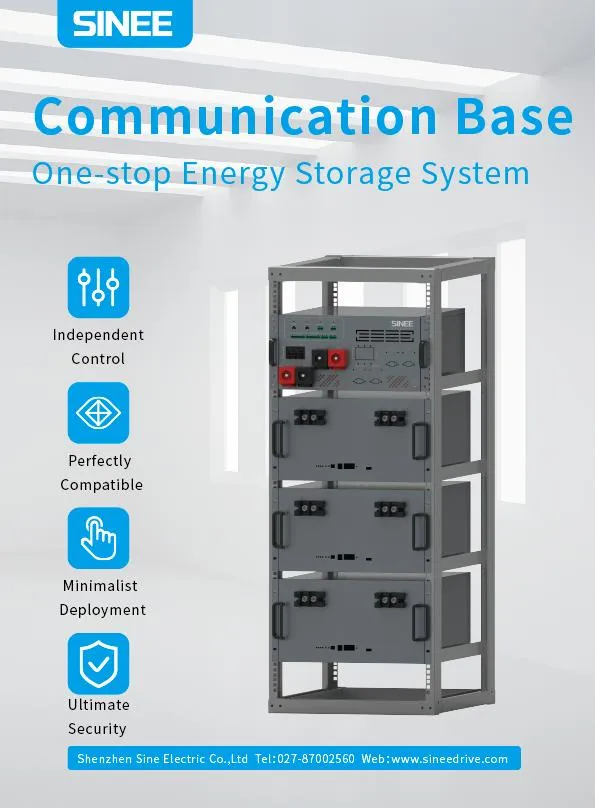
Greening Communication Energy Storage Solutions for Sustainable Base Stations
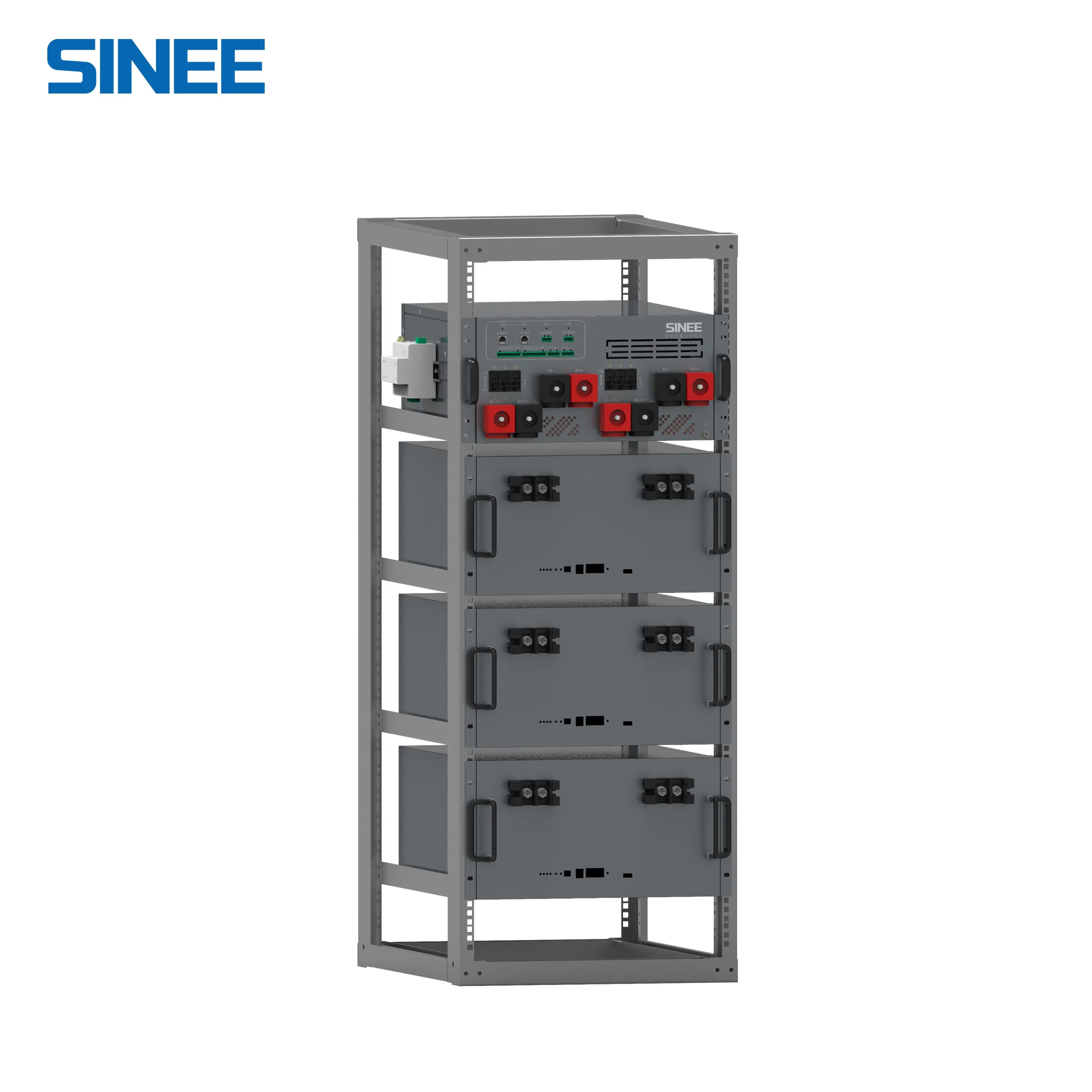
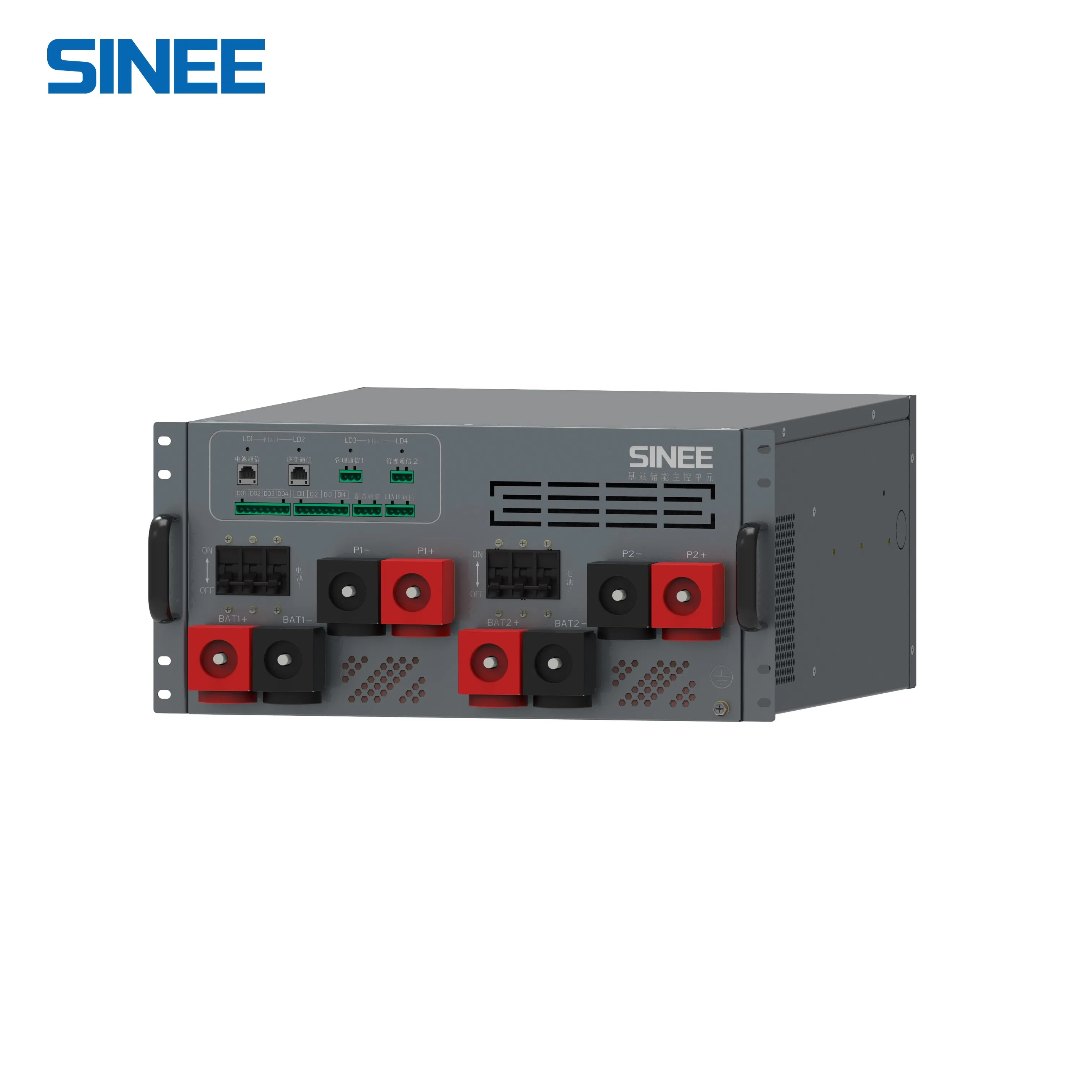
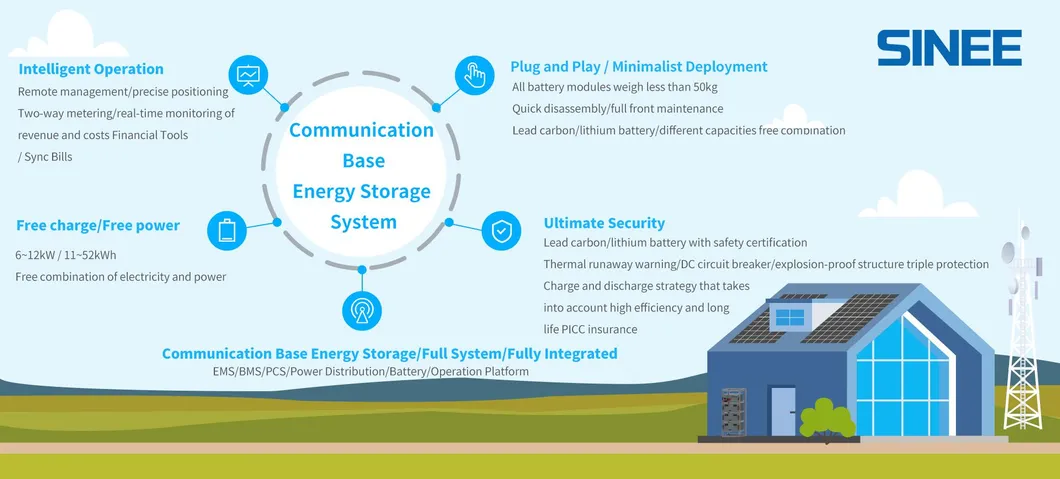
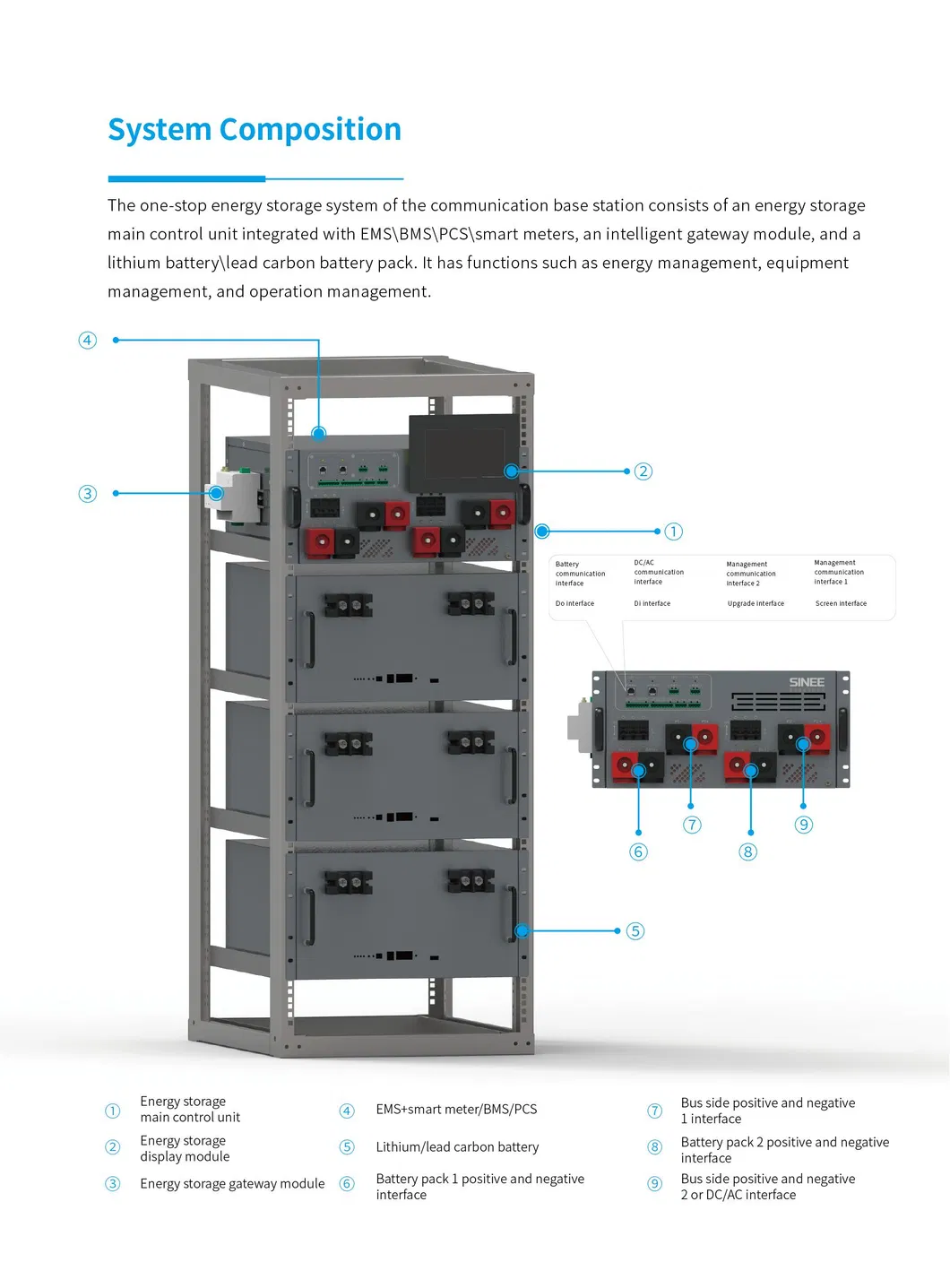
The one-stop energy storage system for communication base stations is specially designed for base station energy storage. Users can use the energy storage system to discharge during load peak periods and charge from the grid during low load periods, reducing peak load demand and saving electricity costs, thus achieving the purpose of improving load characteristics and participating in system peak regulation, while saving electricity costs and maximizing arbitrage.
🔄
System Integration
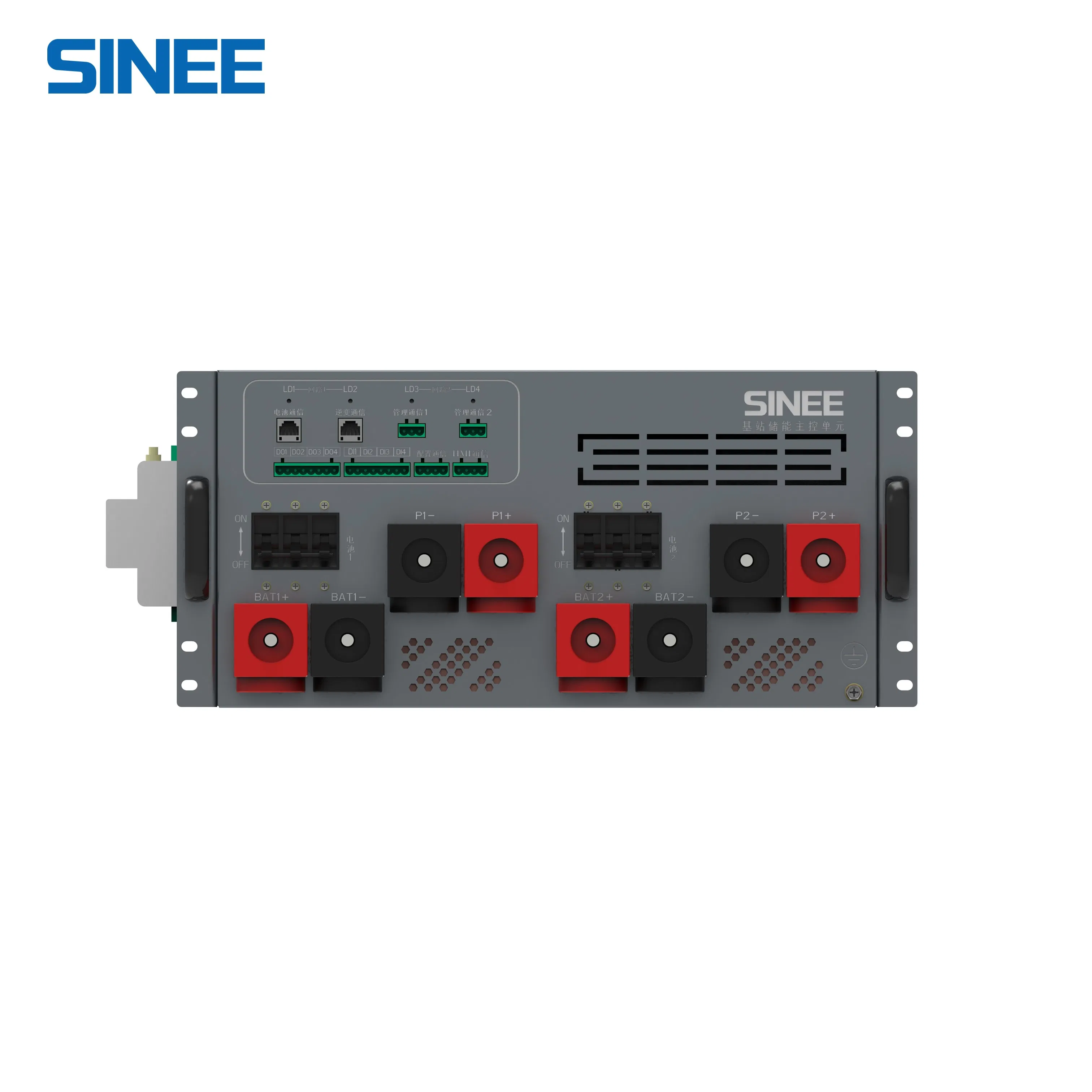
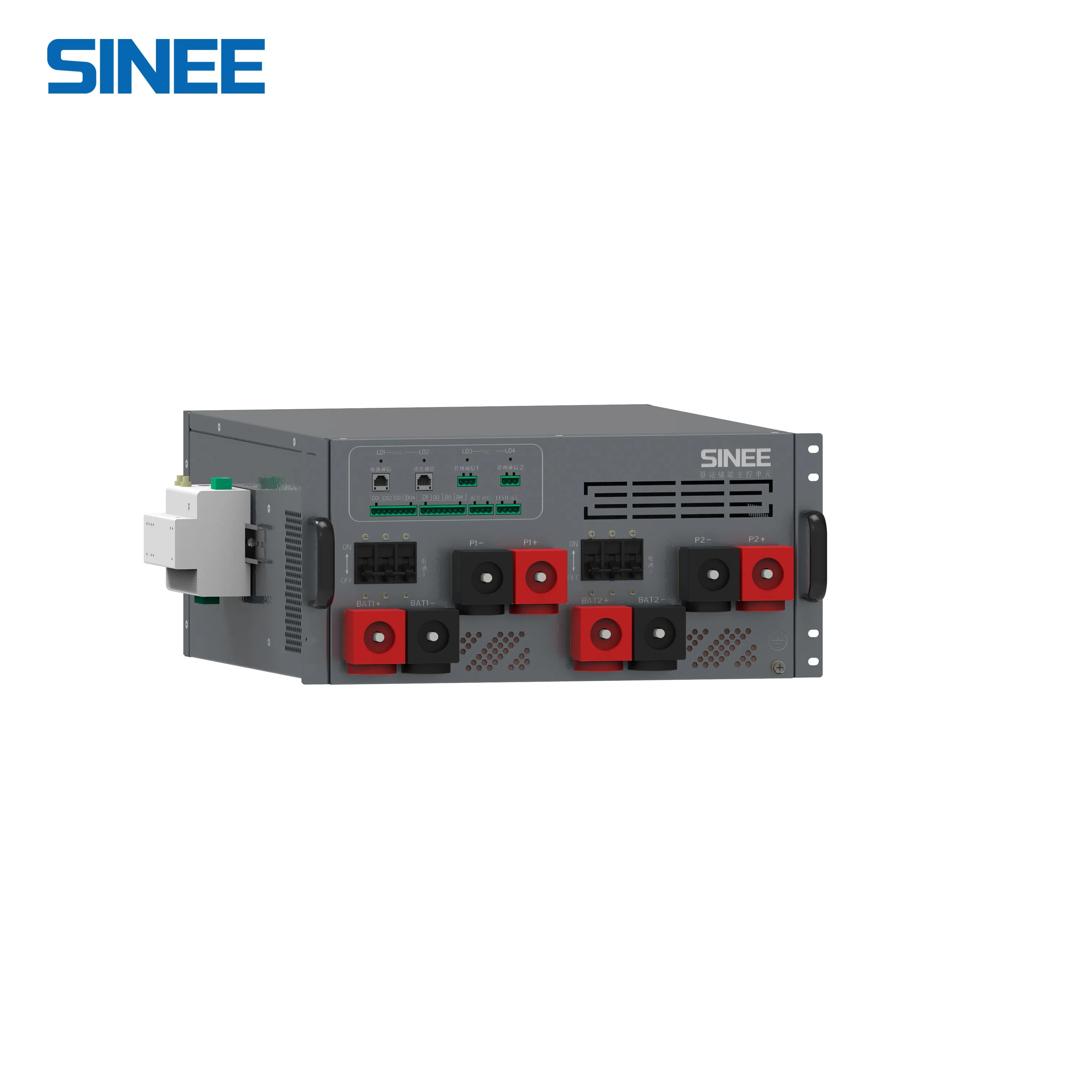
Integrate EMS / BMS / PCS / power distribution / battery / operation platform to provide one-stop system solutions.
⚙️
Independent Control
Each group of batteries is independently controlled, eliminating the risk of circulation.
📱
Perfectly Compatible
Compatible with mainstream batteries, allowing different types, capacities, and batches to be used in parallel.
🛡️
Safe and Stable
Thermal runaway warning, DC circuit breaker, and explosion-proof structure triple protection design.
⚡
Minimalist Deployment
Modular design enables quick disassembly and assembly; installation takes only 15 minutes.
🛠️
Frontal Maintenance
Supports full frontal maintenance, freeing up base station space without needing maintenance channels.
Product Parameters
| Mechanical Properties |
Weight |
860kg (2V500Ah 22 pieces/group) |
370kg (3.2V230Ah 15 pieces/group) |
| Size (L*W*H) |
1040mm*540mm*1485mm |
680mm*489.5mm*1528mm |
| Cooling |
Air Cooling |
Air Cooling |
| Electrical Characteristics |
Power |
22kWh |
33.12KWh |
| Voltage |
DC 42V~58V |
DC 42V~58V |
| Efficiency |
≥95% |
≥95% |
| MTBF |
>100000 Hours |
>100000 Hours |
Installation Instructions
Company Profile

Frequently Asked Questions
Q1: What is the primary benefit of using this base station energy storage system?
A: It allows users to reduce electricity costs by charging during low-load periods and discharging during peak periods, effectively managing energy arbitrage.
Q2: How fast can the system be deployed at a base station?
A: Thanks to its modular design, the installation can be completed in as little as 15 minutes.
Q3: Is the system compatible with different types of batteries?
A: Yes, it is compatible with mainstream batteries on the market, supporting parallel use of different types, capacities, and batches.
Q4: What safety measures are implemented in the design?
A: The system features triple protection: thermal runaway warning, DC circuit breakers, and an explosion-proof structure.
Q5: Can maintenance be performed easily in tight base station spaces?
A: Yes, the system supports full frontal maintenance, meaning no additional space needs to be reserved for maintenance channels.
 Spare PartPro