Spare PartPro


1 / 5
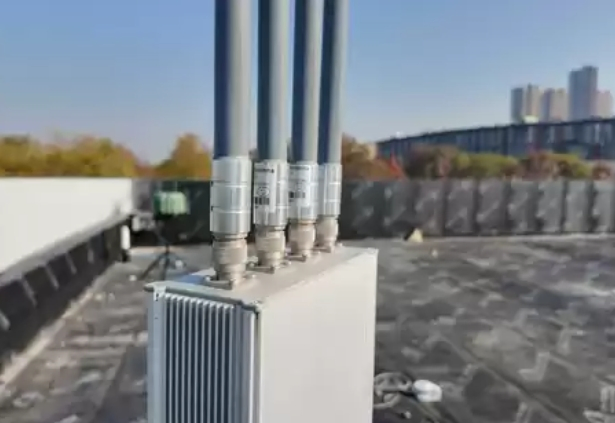
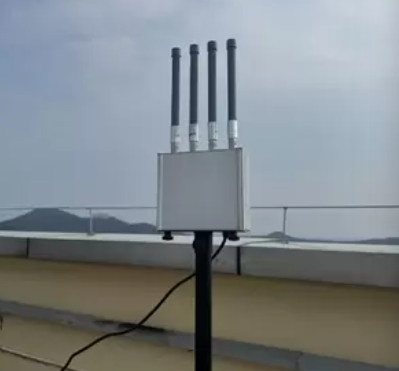
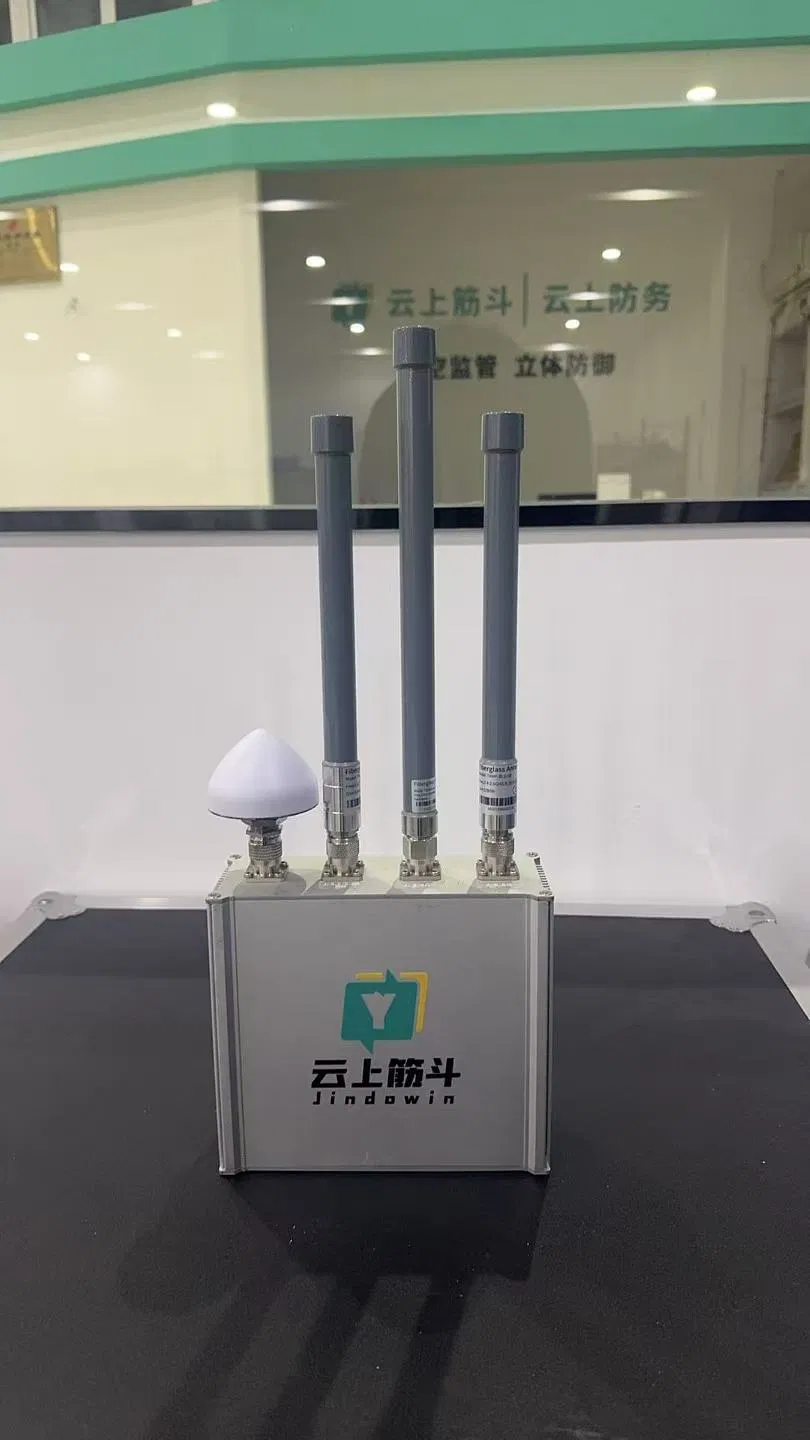
The broadcast-based high-efficiency remote identification base station solution utilizes broadcast identification technology, achieving remote, high-precision identification of target objects through wireless signal broadcasting. This technology leverages multi-channel signal transmission, significantly improving the coverage and accuracy of the identification, enabling precise target location and identification over vast areas.
Whether in open areas or complex environments, broadcast identification technology effectively captures target information, ensuring the efficiency and accuracy of the identification process. This high-precision remote identification service reduces the need for manual intervention while enhancing system reliability and automation, making it widely applicable in logistics management, security monitoring, and intelligent transportation.
| Remote ID All-in-One Device Performance Parameters | |
|---|---|
| Device Features | Portable, low power consumption, long operating range |
| Device Functions | Supports multiple communication methods, networkable |
| Antenna Type | Omnidirectional antenna |
| Device Power | 20W |
| Protection Rating | IP66 |
| Operating Temperature | -35°C~50°C |
| Actual Detection Range | 1-3 km |
| Antenna Gain | 10 dBi |
| Remote ID Module Performance Parameters | |
| Detection Sensitivity | Can send 4 drone data messages per second |
| Communication Interface | TTL |
| Operating Mode | Passive detection |
| Operating Frequency Band | 2.4GHz/5.8GHz |
| Detection Range | 1-3 km in urban/suburban environments |
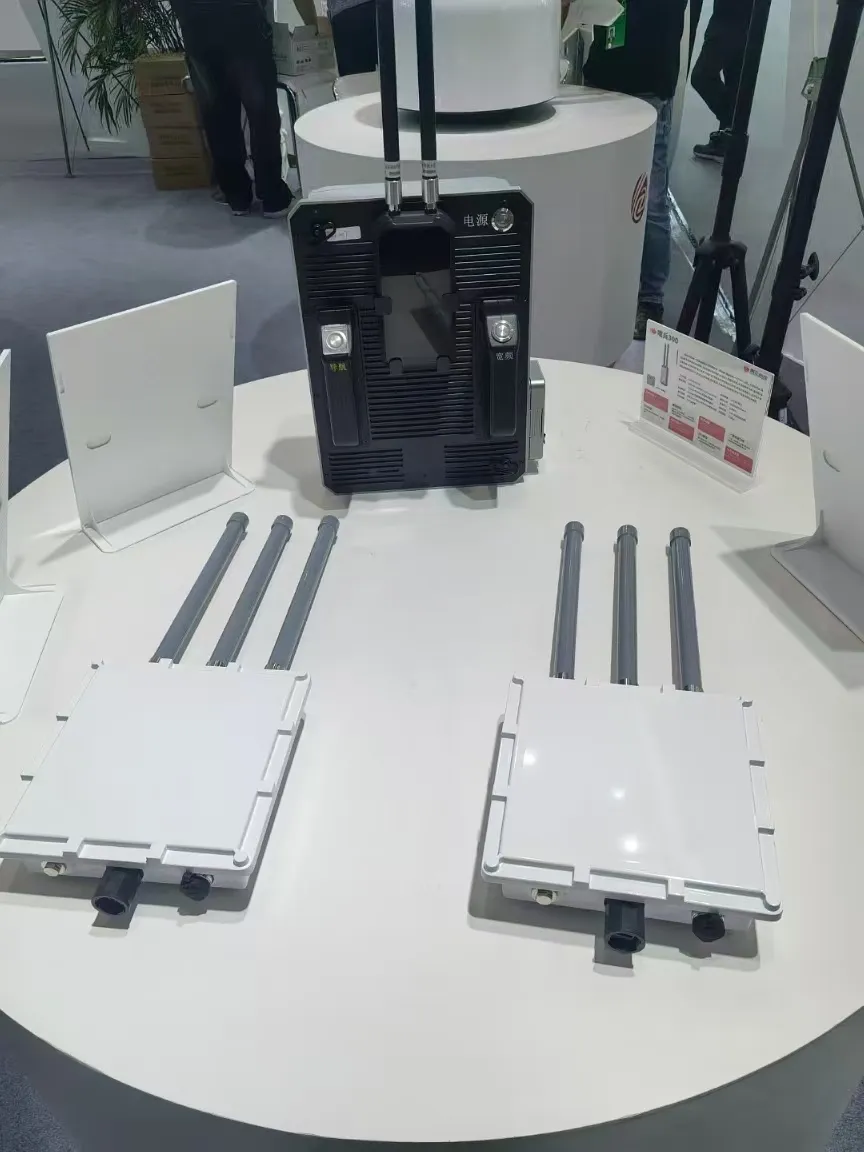
Designed for quick setup, users can deploy the system through simplified hardware connections and automated software configuration. Plug-and-play functionality allows configuration without complex professional knowledge.
Features an advanced AI system for in-depth processing of recognition data. It identifies patterns and trends, helping optimize logistics routes or improve security through behavior analysis and automated learning algorithms.
Supports strong scalability. New devices are automatically identified and paired by the system upon connection, eliminating manual intervention and reducing maintenance costs for enterprise expansion.