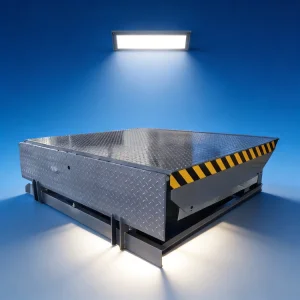
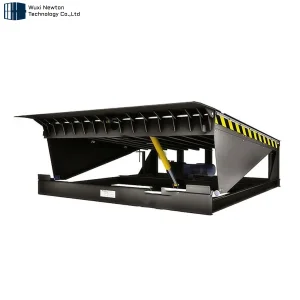
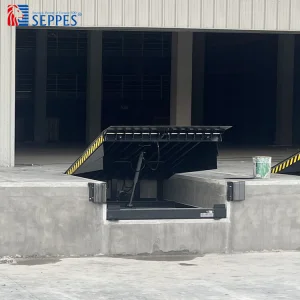
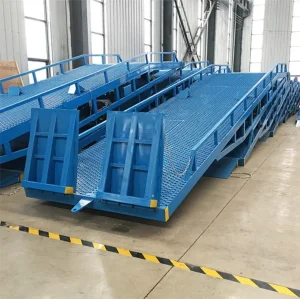
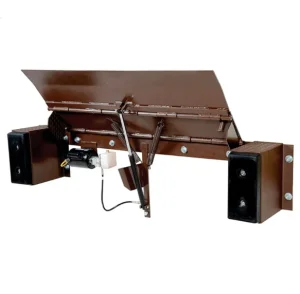
Explore our selection of heavy-duty hydraulic dock levelers, mechanical edge-of-dock units, and modular systems designed to elevate supply chain and warehouse operational throughput.
The global industrial logistics market is growing rapidly due to the expansion of e-commerce, international trade, and automated supply chains. Efficient material handling is essential for fast distribution and warehouse safety. A key factor in this process is the integration of high-performance, versatile loading ramps and hydraulic dock levelers at shipping and receiving ports.
Loading docks are critical nodes in supply chains. Inefficiencies at the dock door can cause bottlenecks that affect the entire transportation network. As dynamic shipping container heights vary between traditional trailers, high-volume container carriers, and urban delivery vans, industrial operators require loading systems that can adapt dynamically to these differences. Versatile loading ramps solve this issue by offering adjustable heights, high load capacities, and integrated safety systems.
Procuring versatile loading equipment requires an understanding of mechanical design, load-bearing capacities, and material specifications. For enterprise buyers, selecting a reliable manufacturer is not just about price; it involves evaluating structural design and safety compliance:
Dongguan Spare PartPro Co., Ltd. is a professional manufacturer specializing in hydraulic dock levelers and warehouse loading dock equipment, providing reliable and efficient material handling solutions for global logistics and industrial sectors. With a strong foundation in precision manufacturing and mechanical engineering, the company has developed into a trusted supplier of high-performance loading dock systems.
Spare PartPro focuses on designing and producing hydraulic dock levelers, loading platforms, dock safety accessories, and related warehouse equipment that improve loading efficiency and operational safety. Its products are widely used in logistics centers, distribution warehouses, manufacturing facilities, and cold chain storage environments.
Over the years, the company has continuously upgraded its production capabilities by integrating advanced hydraulic technology, reinforced structural design, and modern quality control systems. This ensures that every product delivers durability, stability, and long service life even under heavy-duty working conditions.
Committed to innovation and customer satisfaction, Dongguan Spare PartPro Co., Ltd. offers OEM and ODM customization services to meet diverse project requirements worldwide. The company follows strict international standards in design and manufacturing, ensuring consistent performance and safety compliance.
With a growing global presence, Spare PartPro continues to support the development of smart logistics infrastructure by delivering cost-effective, high-quality dock leveler systems that enhance warehouse efficiency and streamline supply chain operations.
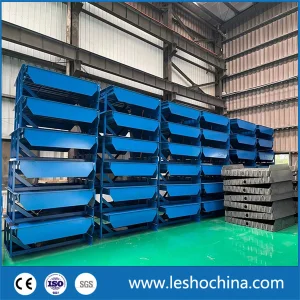
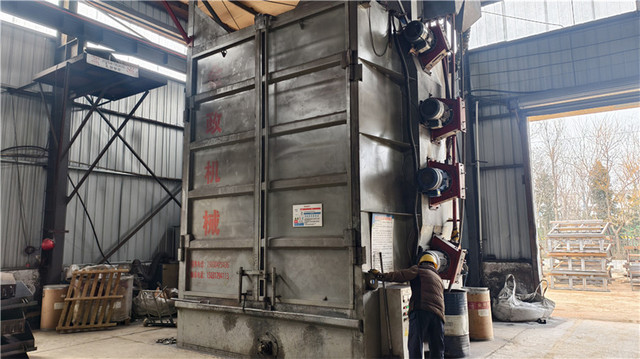
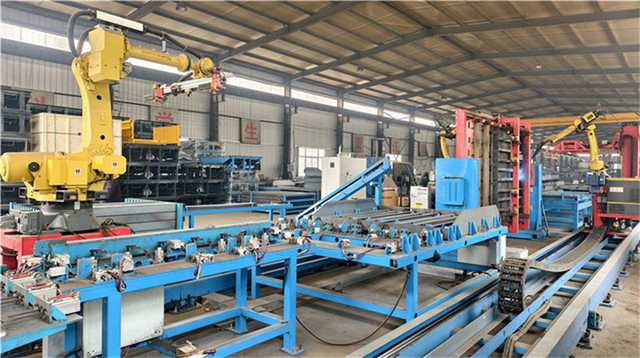
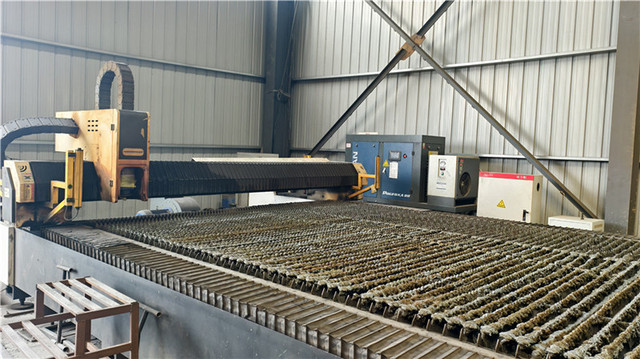
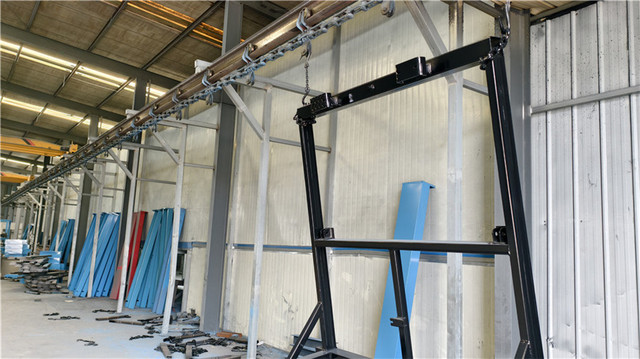
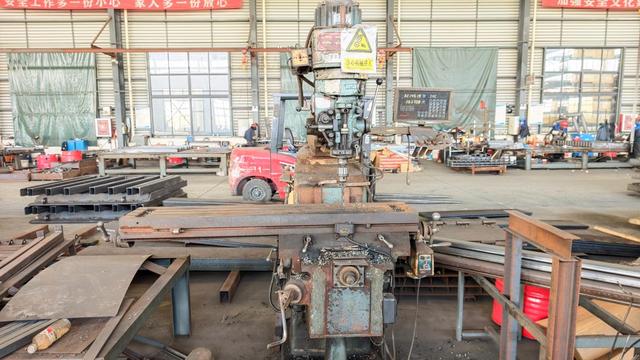
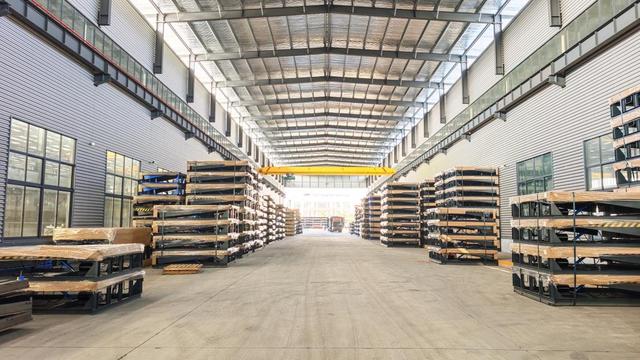
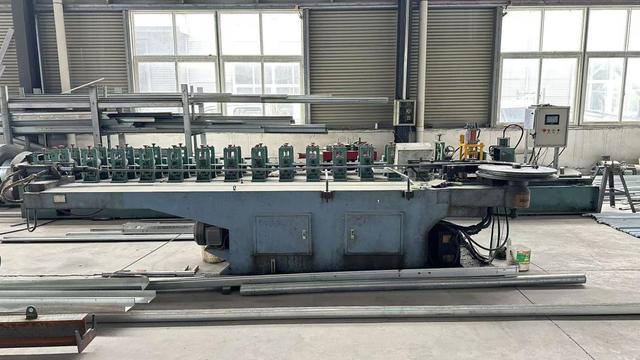
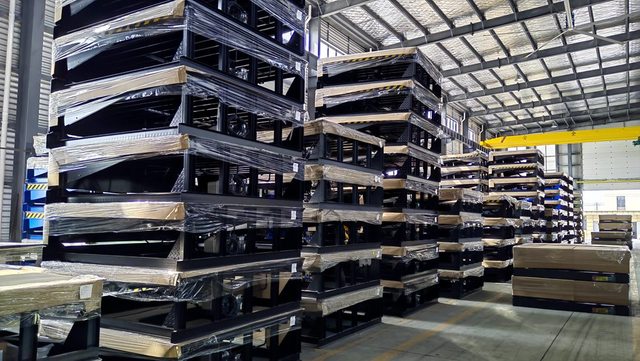
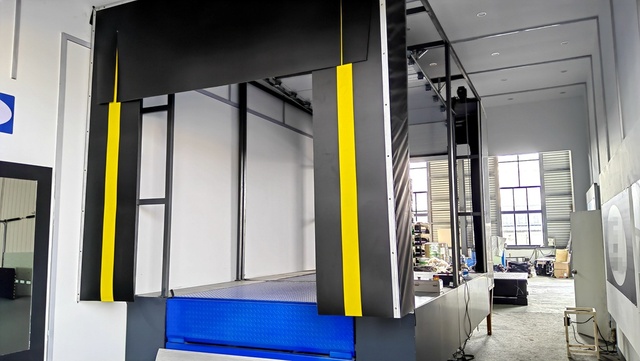
The manufacturing capabilities of Spare PartPro are shown below. Our facilities utilize robotic steel cutting, automated structural welding stations, and quality control test rigs to ensure each unit meets dynamic load requirements.

This table outlines the differences, dynamic load capacities, and optimal applications of common warehouse docking systems to assist with the procurement process.
| Equipment Category | Dynamic Capacity | Common Widths | Optimal Industry Application | Core Tech Advantage |
|---|---|---|---|---|
| Hydraulic Pit-Mounted Dock Leveler | 6,000 kg - 15,000 kg | 1800mm / 2000mm | High-Throughput Logistics Hubs | Fully automatic push-button control, float compensation |
| Telescopic Lip Dock Leveler | 10,000 kg - 20,000 kg | 2000mm / 2200mm | Cold Storage Facilities | Variable extension lip preserves thermal seals |
| Mechanical Edge of Dock (EOD) | 5,000 kg - 8,000 kg | 1600mm / 1800mm | Retrofitted Existing Warehouses | Low-cost, compact installation, no deep pit needed |
| Air-Powered (Pneumatic) Leveler | 6,000 kg - 12,000 kg | 1800mm / 2000mm | Hazardous / Chemical Processing | No hydraulic oil leaks, clean air bag operation |
| Mobile Yard Container Loading Ramp | 8,000 kg - 15,000 kg | 2000mm / 2400mm | Temporary Yards & Rail Car Loading | Towable design, integrated hydraulic vertical adjustment |
Different industrial operations require specific loading ramp configurations to optimize efficiency and maintain safety. Sourcing teams must align equipment specifications with the target facility's environment:
In temperature-controlled warehouses, minimizing heat exchange is essential. Standard pit-mounted levelers can create a thermal bridge that allows cold air to escape. Telescopic lip dock levelers allow dock doors to remain fully closed until the truck is positioned, maintaining the cold chain. Combining these with inflatable dock shelters ensures tight energy-efficient sealing.
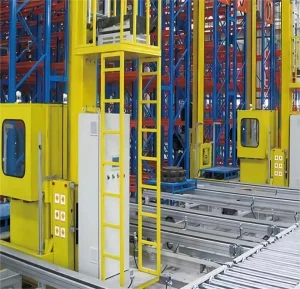
Modern smart warehouses utilize Automated Storage and Retrieval Systems (ASRS) and Automated Guided Vehicles (AGVs). These automated systems require stable dock levelers with precise alignment to prevent sensor errors and cargo disruptions. Features such as automatic return-to-dock sensors and hydraulic lip leveling ensure smooth transit for AGVs.
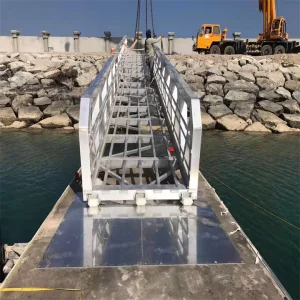
Marine environments require corrosion-resistant equipment. Marine aluminum gangways, bridge plates, and galvanized hydraulic levelers are designed to withstand seawater exposure and tidal fluctuations, ensuring safe transfers between vessels and docks.
The material handling equipment market is moving toward smart and sustainable systems. Key developments include:
Review our second set of material handling equipment, including portable dock ramps, pneumatic levelers, and heavy-duty edge-of-dock solutions.
Technical answers to common questions about sourcing loading ramps and dock levelers.
Dynamic load capacity is the maximum weight the dock leveler can support when a forklift drives across the platform. Static capacity is the weight the deck can support when the leveler is stored in its neutral, cross-traffic position. Sourcing teams should focus on dynamic ratings to ensure safety during active operations.
Hydraulic levelers operate via push-button controls, reducing the manual labor associated with pulling pull-chains on mechanical models. They also feature lower long-term maintenance costs and come with safety devices such as velocity fuses that lock the ramp if a truck pulls away during loading.
A telescopic lip can be extended and retracted with high precision. This design allows cold storage facility doors to remain closed until a truck has backed in and formed a seal with the dock shelter. It reduces warm air infiltration and helps maintain interior temperatures.
Heavy-duty dock levelers typically use deck plates with a thickness of at least 8mm to 10mm, reinforced with high-strength structural steel channels (such as C-channel or I-beam profiles) on the underside. This structure prevents deck warping and extends the service life of the leveler.
Yes. High-quality mobile loading ramps feature heavy-duty solid rubber tires or pneumatic tires, along with steel grating decks. This grating provides slip-resistant traction in wet or snowy conditions and prevents water and debris accumulation.
Our production processes follow ISO 9001 standards. Every dock leveler undergoes cycle testing, structural weld inspections, and hydraulic system tests to comply with regional requirements such as EN 1398 for Europe and ANSI/MH30.1 for the Americas.
 Spare PartPro