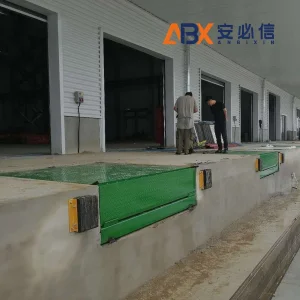
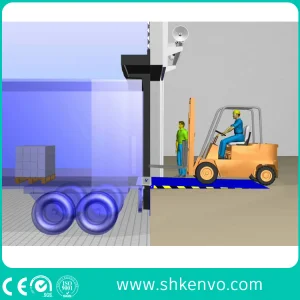
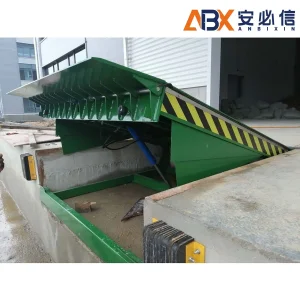
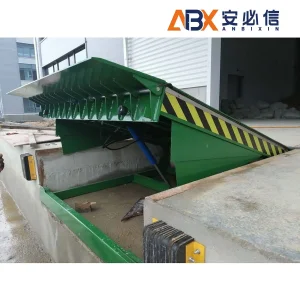
Engineered to eliminate gaps, retain climate-controlled conditions, and maximize the security of logistics transitions. Discover our premium selection of ready-to-deploy hydraulic levelers and mechanical loading systems.
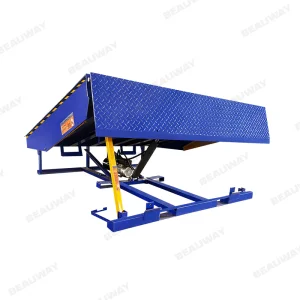
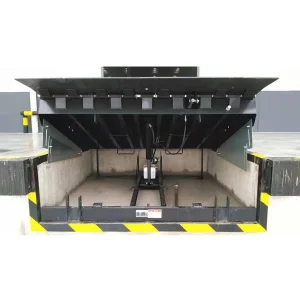
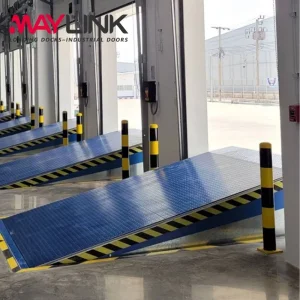
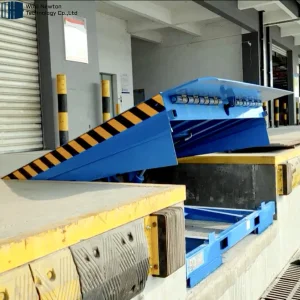
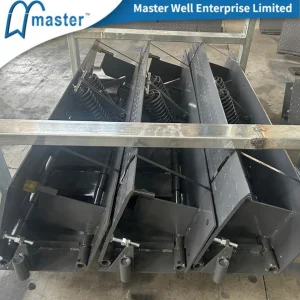
Operating at the intersection of mechanical excellence and intelligent factory integration, Dongguan Spare PartPro Co., Ltd. stands as a premier enterprise in manufacturing high-capacity seamless dock interfaces. Driven by heavy-duty requirements of international global supply chains, our factory specialized in constructing heavy-duty pit-mounted hydraulic systems, telescopic edge-of-dock bridges, and vertical storing levelers tailored to micro-climatic controls and extreme physical load ratings.
Our strategic engineering focus prioritizes structural durability and fluid dynamics. By deploying premium thick-plate structural steel (certified dynamic capacities upwards of 80,000 lbs under dynamic impact cycles) paired with optimized dual-ram hydraulic cylinders, we ensure every loading platform functions smoothly. Through advanced manufacturing capabilities, CNC robotic welding arrays, and high-tolerance stress testing machines, we design solutions that stand up to the rigorous operational pressures of automated cross-docking environments.
Over the past decades, logistics layouts have shifted dramatically toward rapid order fulfillment, automation, and deep temperature containment. The modern loading dock is no longer just a physical transition bridge; it is a critical energy-saving gatekeeper. Dongguan Spare PartPro Co., Ltd. continuously leverages state-of-the-art hydraulic sealings, multi-functional electric panels, and robust structural safety components to protect cold storage chains, minimize ambient moisture ingress, and provide flawless forklift drive paths.
In modern supply chains, the docking bay acts as the primary mechanical joint connecting multi-modal transportation systems with smart distribution networks. Let's analyze how high-quality wholesale interfaces optimize logistical outputs globally:
For pharmaceutical and food-grade cold chain centers, dynamic air infiltration at the dock interface is a major cost driver. Our seamless structures ensure absolute tight sealing to eliminate air leaks and thermal bridges during loading.
Cross-dock safety begins with a smooth floor transition. Engineered beveled edges, mechanical safety velocity fuses, and auto-tilt hydraulics prevent sudden vehicle drops and protect materials-handling forklift operators.
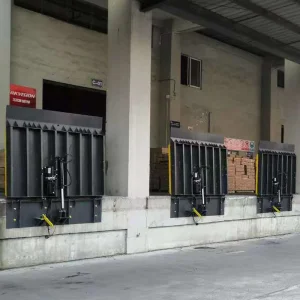
High-frequency logistics hubs require systems designed for maximum uptime. Using heavy-duty structural I-beams and high-tensile checker plates, our dock levelers withstand up to hundreds of dynamic impacts every single day.
The continuous growth of worldwide logistics centers has highlighted the limitations of traditional mechanical loading ramps. Standard hinged steel plates are no longer sufficient to meet modern performance targets. Heavy duty equipment now relies on sophisticated electro-hydraulic systems, advanced controls, and telescopic technology to maintain stable material flow. Let's explore the key technological shifts driving this evolution:
Conventional manual spring dock bridges suffer from structural fatigue and pose safety hazards due to unpredictable recoil springs. Modern layouts have shifted fully toward single and dual electro-hydraulic cylinder levelers. Dual-cylinder designs provide separate control for the main platform lift and the heavy-duty lip extension. This structure reduces torque twist on the structural frame, preventing uneven deck levels during off-center forklift loading.
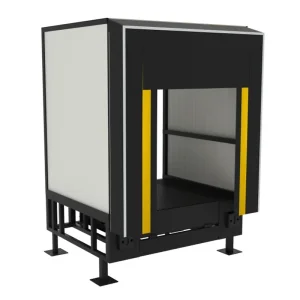
To achieve a truly seamless dock interface, the mechanical platform must operate in unison with the industrial building's weather barrier. In high-efficiency warehouses, standard foam pads are replaced with automated inflatable shelters. The moment a container truck reverses into the bay, the shelter inflates around the vehicle's rear panel. Next, the leveler's telescopic lip extends precisely into the truck bed, establishing a controlled environmental corridor that protects goods from external temperature fluctuations.
The integration of internet of things (IoT) modules in warehouse architecture has introduced smart control interfaces. The leveler system features interlocked PLC units connected directly to truck wheel restraints, visual safety signals, and sectional industrial overhead doors. This configuration ensures the dock doors cannot open until the vehicle is securely restrained, and the leveler cannot deploy until the door is fully raised—practically eliminating structural damage and operational accidents.
How is the seamless loading interface evolving to support automated, energy-efficient, and zero-emission industrial hubs? Below is our planned R&D technology roadmap:
Development of high-precision telescopic lips with integrated digital distance sensors. This system automatically calculates the distance to the container bed, adjusting the lip extension to prevent structural impact.
Transitioning all high-pressure systems to food-grade, biodegradable hydraulic fluids. This ensures full compliance with strict environmental standards for pharmaceutical and high-end organic cold storage facilities.
Embedding structural strain gauges and temperature sensors into the platform deck. The system transmits real-time load and wear data to warehouse management software (WMS), enabling predictive maintenance.
We design integrated loading setups optimized for specific cold chain, high-volume shipping, and automated warehouse applications:
In cold chain operations, thermal integrity is critical to prevent product loss and manage high energy costs. Standard pit levelers can create thermal bridges that lead to cooling loss.
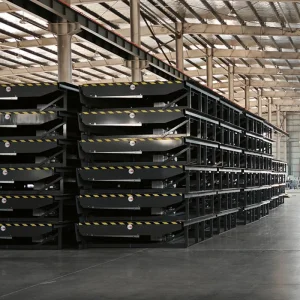
By parking the leveler vertically inside the building, the overhead insulated door can close completely down to the pit floor. This seals the environmental envelope, reducing cold air escape and preventing exterior moisture from condensing on the warehouse floor.
For high-volume retail hubs handling hundreds of trailers daily, minimizing loading cycle times is key to maintaining workflow efficiency.
These systems adjust dynamically as the trailer height changes under heavy forklift loads. Paired with digital control panels, operators can complete loading cycles quickly and safely.
Expert answers to technical, manufacturing, and configuration questions about our high-efficiency loading docks:
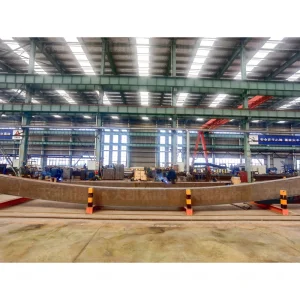
Take a look inside our specialized manufacturing plant in Dongguan, equipped with automated robotic welding, plate bending, and high-tolerance hydraulic assembly systems.
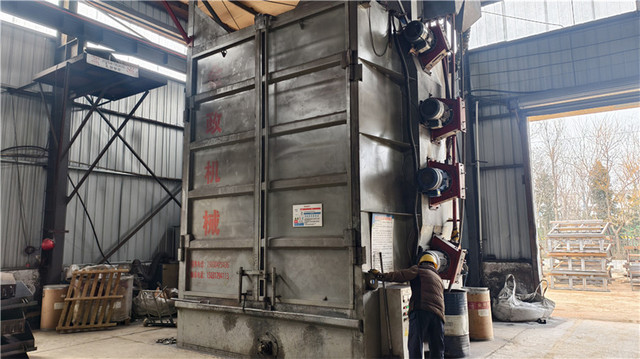
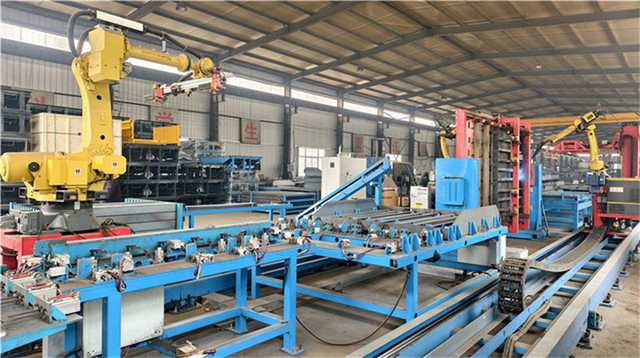
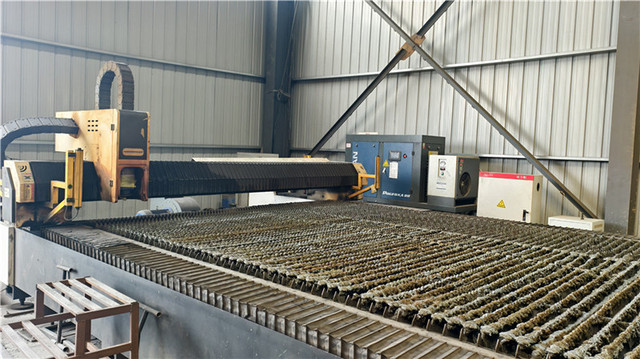
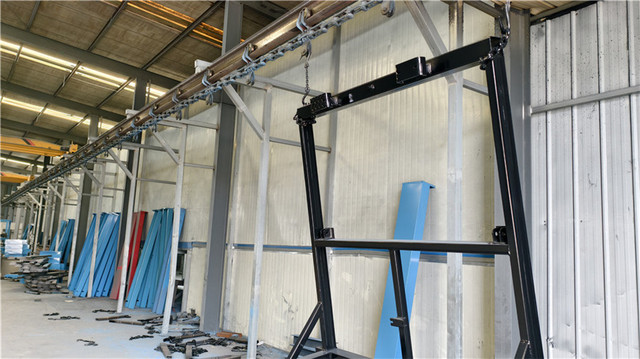
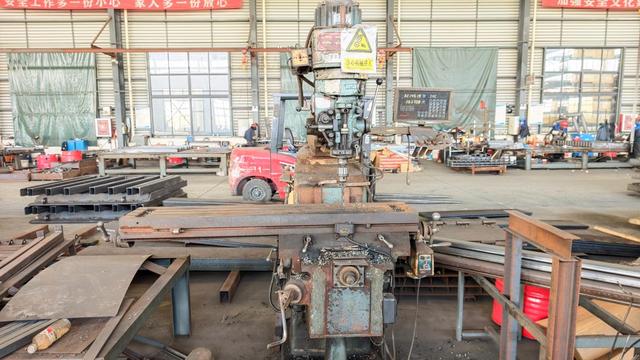
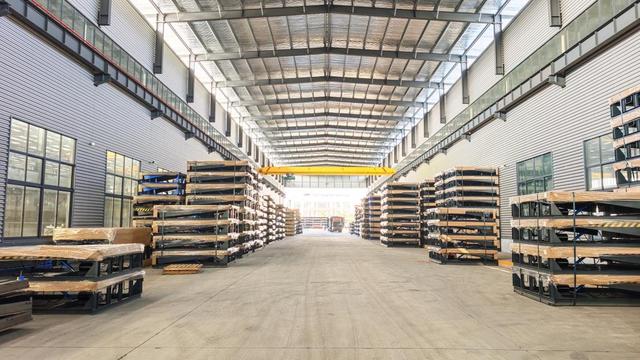
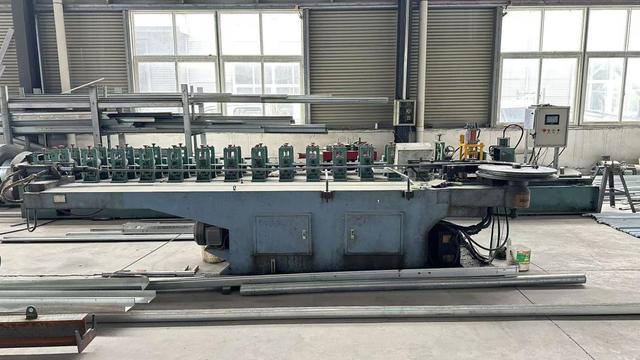

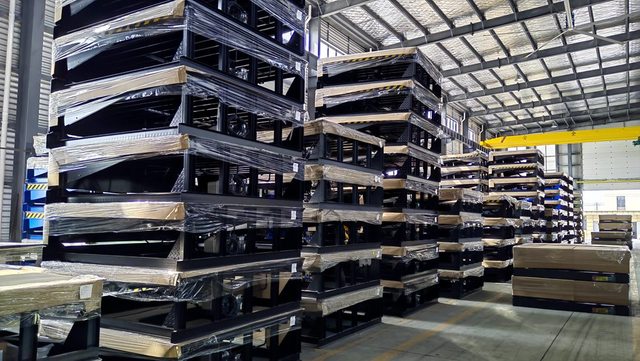
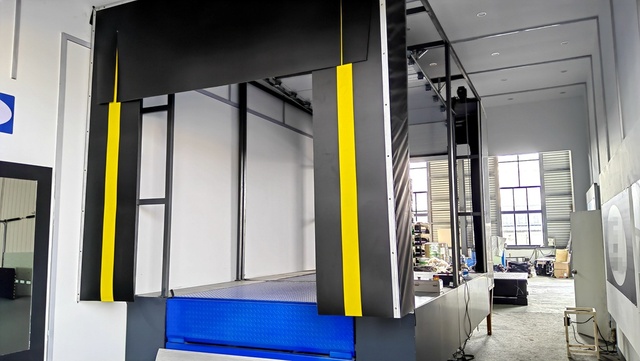
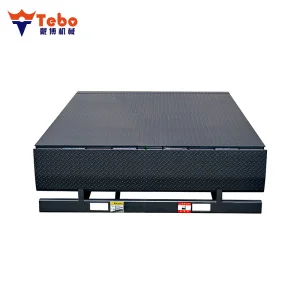
Our specialty hardware range includes customizable loading bridges, pit-mounted levels, and pneumatically powered platforms built for demanding commercial operations.
 Spare PartPro