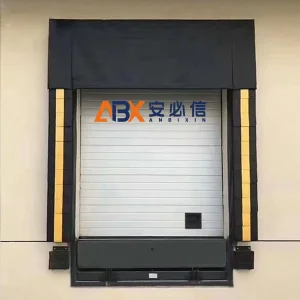
Engineered for durability, optimal thermal barrier performance, and seamless high-load logistics integration.
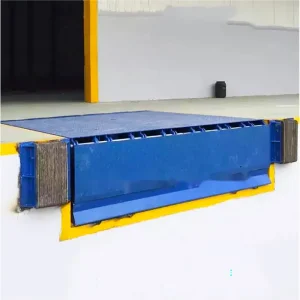
In the modern era of automated, high-velocity distribution network operations, the warehouse loading dock acts as the critical physical interface between transport vehicles and storage infrastructure. Unforeseen delays, equipment malfunctions, or structural layout issues at this single point can trigger cascading delays throughout the entire international supply chain. Globally, businesses are shifting from basic, manually operated systems to highly integrated, automated hydraulic transport dock solutions. This change is driven by the need for faster turnaround times and strict occupational safety regulations.
From the mega-fulfillment hubs of North America and Western Europe to the rapidly growing logistics parks across Southeast Asia, industrial developers are investing heavily in durable dock leveling systems. Modern dock solutions are no longer treated as simple mechanical bridges. Instead, they are engineered interfaces equipped with integrated safety interlocks, automated weather seals, and IoT-enabled performance tracking systems. These features are designed to minimize ambient temperature loss in cold chain storage, prevent vehicle separation accidents, and allow forklift operators to transition smoothly between uneven warehouse floors and container beds.
Integrating regional material supply chains and advanced engineering expertise to build dependable warehouse loading solutions.
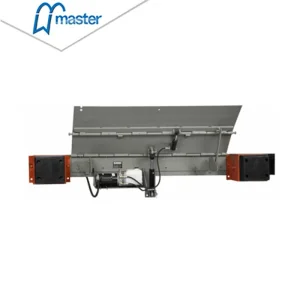
Dongguan Spare PartPro Co., Ltd. is a professional manufacturer specializing in hydraulic dock levelers and warehouse loading dock equipment, providing reliable and efficient material handling solutions for global logistics and industrial sectors. With a strong foundation in precision manufacturing and mechanical engineering, the company has developed into a trusted supplier of high-performance loading dock systems.
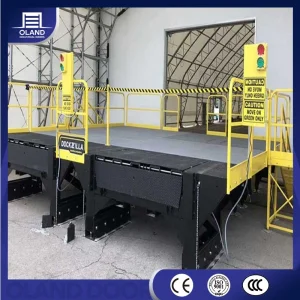
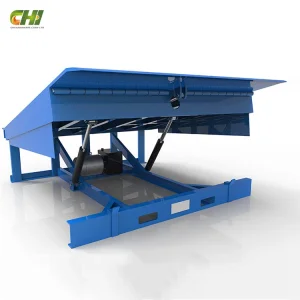
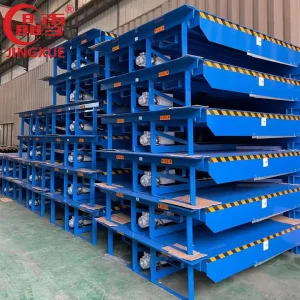
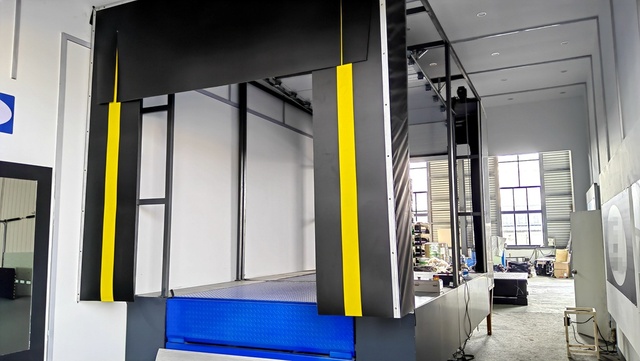
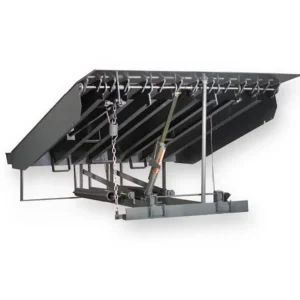
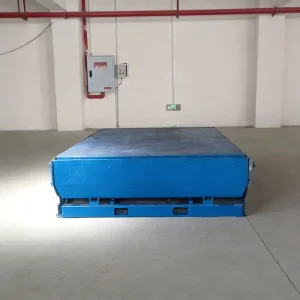
Spare PartPro focuses on designing and producing hydraulic dock levelers, loading platforms, dock safety accessories, and related warehouse equipment that improve loading efficiency and operational safety. Its products are widely used in logistics centers, distribution warehouses, manufacturing facilities, and cold chain storage environments.
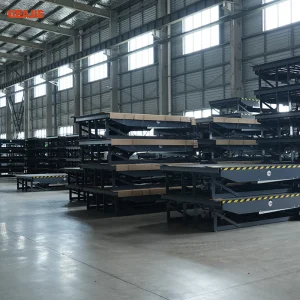
Over the years, the company has continuously upgraded its production capabilities by integrating advanced hydraulic technology, reinforced structural design, and modern quality control systems. This ensures that every product delivers durability, stability, and long service life even under heavy-duty working conditions.
Committed to innovation and customer satisfaction, Dongguan Spare PartPro Co., Ltd. offers OEM and ODM customization services to meet diverse project requirements worldwide. The company follows strict international standards in design and manufacturing, ensuring consistent performance and safety compliance.
With a growing global presence, Spare PartPro continues to support the development of smart logistics infrastructure by delivering cost-effective, high-quality dock leveler systems that enhance warehouse efficiency and streamline supply chain operations.
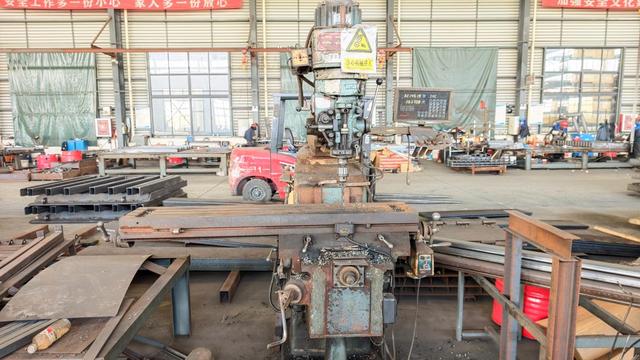
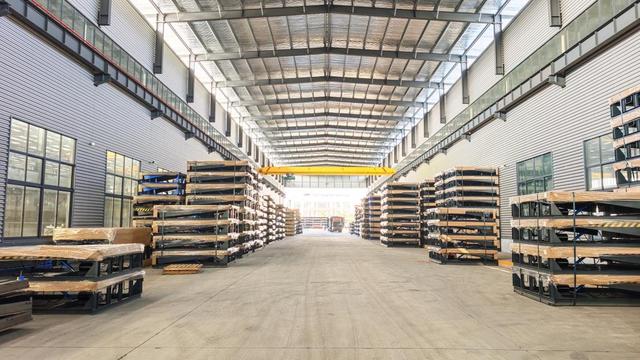
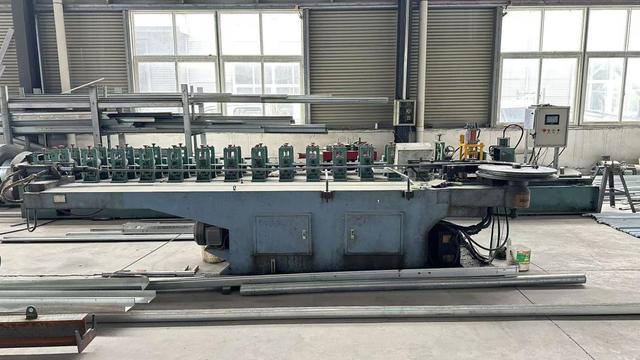
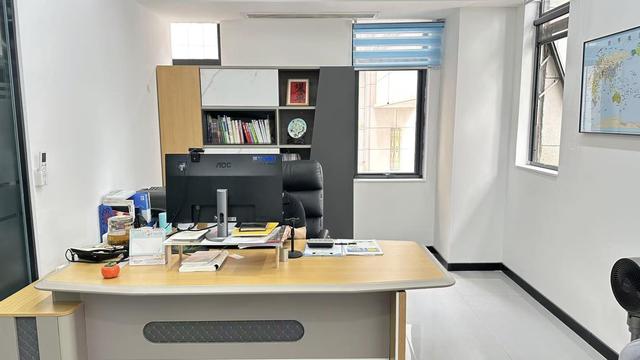
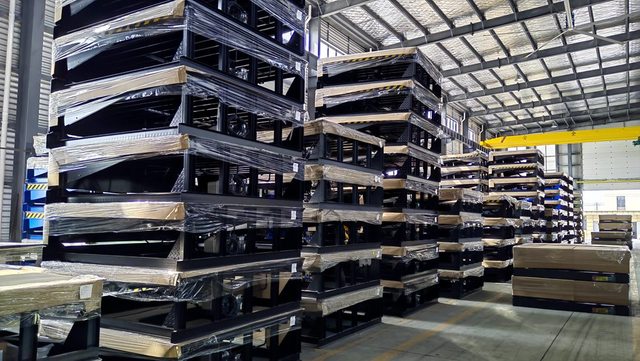
Why global logistics developers source industrial dock components and complete systems from South China manufacturing hubs.
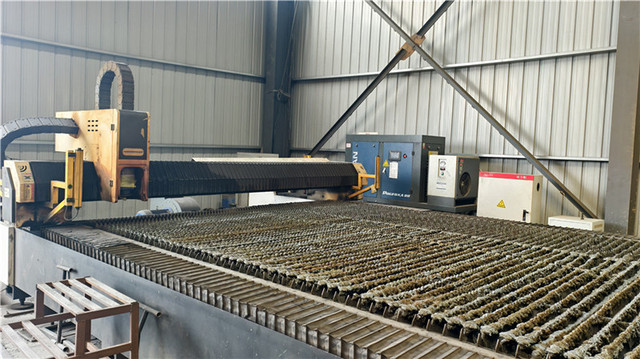
Direct proximity to major regional steel mills provides access to specialized structural steel grades (such as Q235B and Q345B) at competitive rates. This enables us to build high-tensile platforms with lower material transport costs, keeping overall system pricing highly competitive.
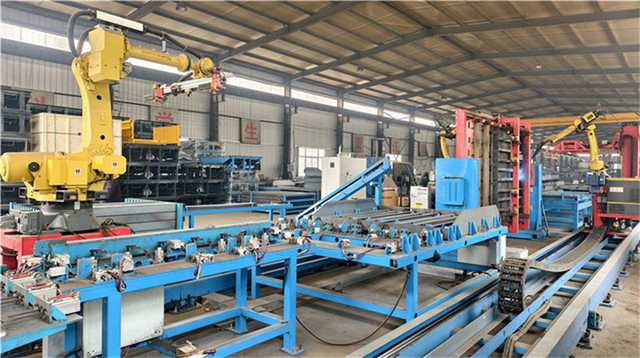
By utilizing advanced robotic structural welding stations, we achieve clean, high-penetration structural welds on critical frame components. This reduces heat deformation, guarantees exact tolerances, and prevents structural fatigue under repeated load stress from forklift traffic.
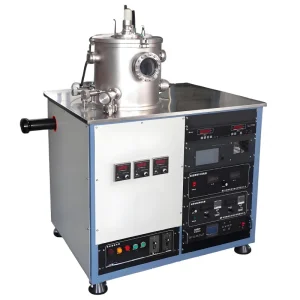
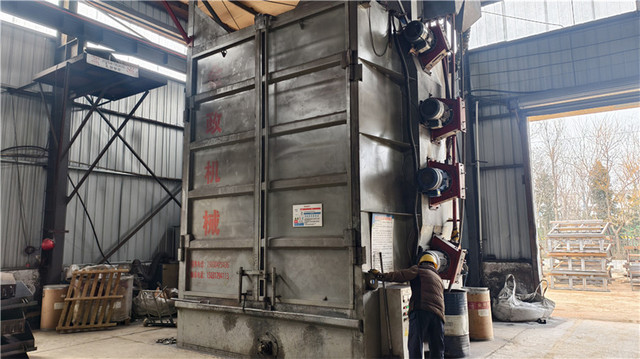
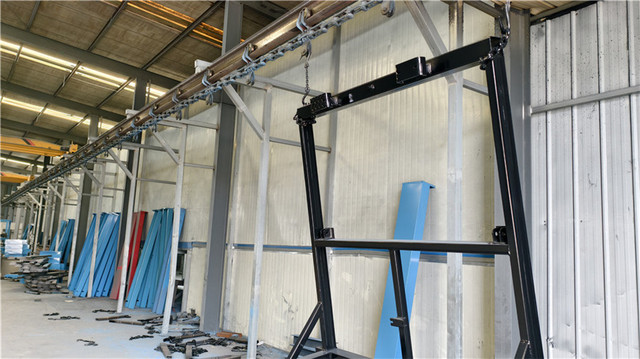
Integrating advanced high-precision sputtering processes and automated multi-stage painting lines provides excellent corrosion protection. This durability allows levelers to perform reliably even in high-humidity regions and coastal logistics terminals.
Optimizing warehouse layouts to match specific operational conditions, climate challenges, and material handling workflows.
In refrigerated food storage, keeping a tight temperature seal is essential to prevent product spoilage and reduce energy costs. Using adjustable height hydraulic dock levelers with custom-fit thermal foam seals creates a solid barrier against warm air, dust, and humidity.
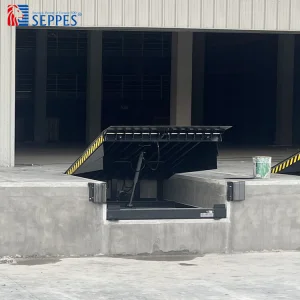
Vertical storage levelers allow dock doors to close completely flat against the insulated pit floor. This design minimizes heat transfer, prevents condensation build-up, and protects the facility from energy loss when no trucks are docked.
E-commerce sorting centers require continuous, reliable operation. In these settings, even minor loading dock downtime can disrupt strict delivery schedules. Installing heavy-duty automated lip systems and air bag levelers helps keep operations running smoothly.
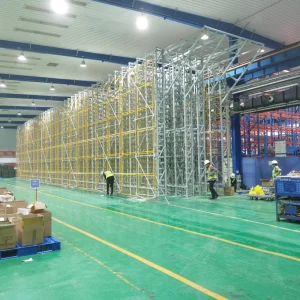
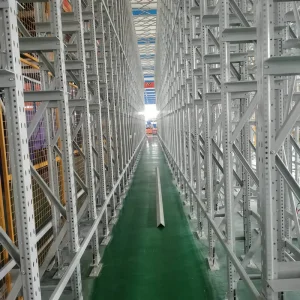
Integrating automated storage and retrieval systems (ASRS) with modern hydraulic loading bays speeds up the transfer of goods from vehicles directly to storage areas, reducing manual handling time and improving warehouse safety.
| Scenario | Key Challenge | Recommended System |
|---|---|---|
| Cold Storage | Thermal bridge leaks | Vertical pit-mounted with thick perimeter seals |
| Sea Terminals | Salt-air corrosion | Hot-dip galvanized structural frames |
| Urban Depots | Varying vehicle heights | Extended-reach telescopic lip levelers |
| Heavy Industry | Dynamic impact loads | Reinforced structural steel levelers (20t+) |
High-performance engineering developments designed to improve operational safety, extend equipment life, and streamline warehouse efficiency.
Traditional piano hinges can collect dirt and concentrate load stress on individual weld points. Modern, continuous rear hinge systems distribute heavy forklift loads evenly along the entire rear beam, reducing structural wear and extending the life of the platform.
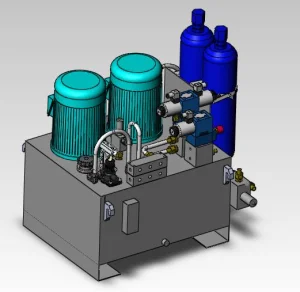
Integrated velocity safety valves prevent the platform from falling suddenly if a truck pulls away unexpectedly while a forklift is loading. Emergency stop controls allow operators to lock the platform immediately, helping prevent warehouse accidents and injuries.
Multiple heavy-duty steel U-beams welded underneath the platform deck provide strong, reliable structural support. This frame design prevents the deck from twisting or warping over years of heavy daily use, maintaining a smooth, safe transition for forklifts.
Important factors for global sourcing managers and warehouse layout planners to check when specifying bulk dock equipment orders.
When purchasing industrial dock equipment, choosing the right manufacturer involves evaluating more than just the purchase price. Global buyers should look for suppliers who provide comprehensive engineering support, detailed installation schematics, and clear maintenance guides.
Working with a manufacturer that offers professional OEM/ODM services allows you to customize structural dimensions, lip styles, and hydraulic control packages. This ensures your dock equipment fits the specific building codes, climate conditions, and operational needs of your local logistics market.
Answers to common technical, installation, and custom engineering questions from global buyers and logistics managers.
High-capacity platforms, mechanical dock extensions, and customized warehouse material handling systems.
 Spare PartPro