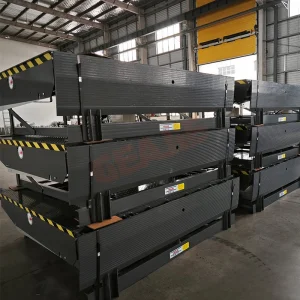
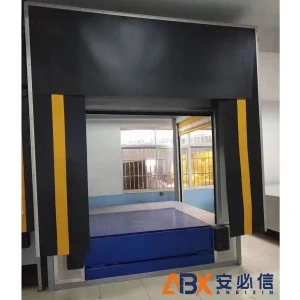
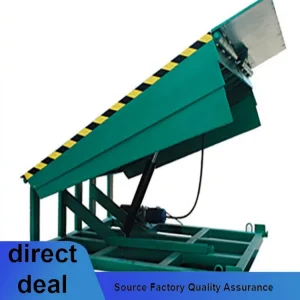
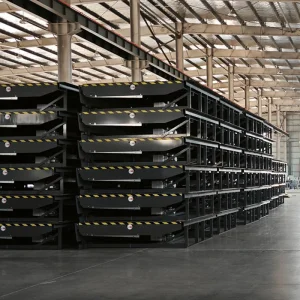
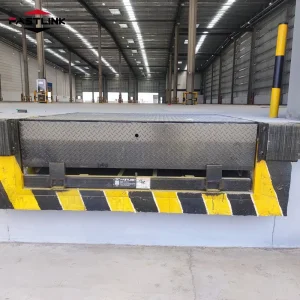
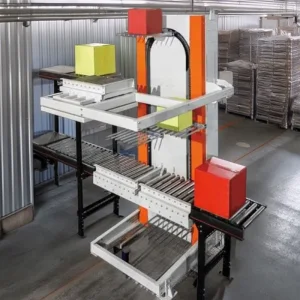
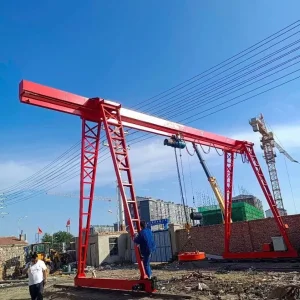
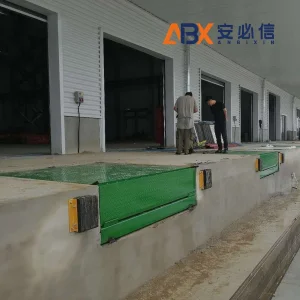
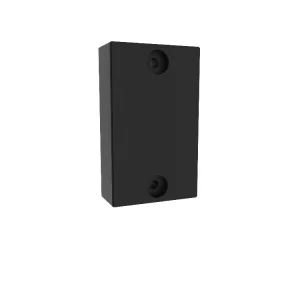
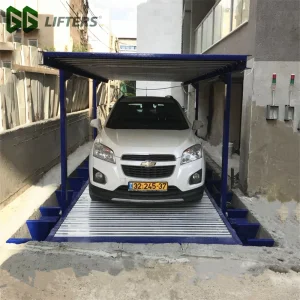
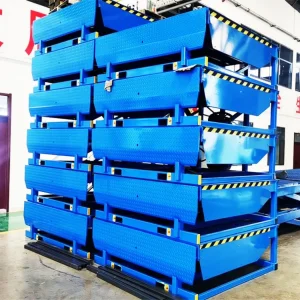
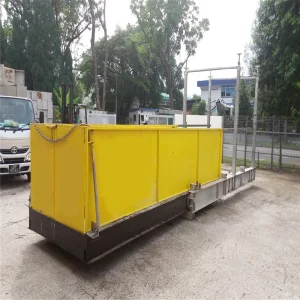
For buyers comparing a smart dock interfaces supplier and exporter, the most useful starting point is the product ecosystem. The items below preserve the original supplier portfolio and illustrate how loading dock levelers, safety accessories, lifting systems, conveyors, cranes, and parking equipment can be sourced through one project conversation.
The company profile below is retained in full. Around it, this guide adds the procurement context that serious B2B buyers need when evaluating hydraulic dock levelers, loading platforms, safety accessories, and OEM/ODM manufacturing capability.
Dongguan Spare PartPro Co., Ltd. is a professional manufacturer specializing in hydraulic dock levelers and warehouse loading dock equipment, providing reliable and efficient material handling solutions for global logistics and industrial sectors. With a strong foundation in precision manufacturing and mechanical engineering, the company has developed into a trusted supplier of high-performance loading dock systems.
Spare PartPro focuses on designing and producing hydraulic dock levelers, loading platforms, dock safety accessories, and related warehouse equipment that improve loading efficiency and operational safety. Its products are widely used in logistics centers, distribution warehouses, manufacturing facilities, and cold chain storage environments.
Over the years, the company has continuously upgraded its production capabilities by integrating advanced hydraulic technology, reinforced structural design, and modern quality control systems. This ensures that every product delivers durability, stability, and long service life even under heavy-duty working conditions.
Committed to innovation and customer satisfaction, Dongguan Spare PartPro Co., Ltd. offers OEM and ODM customization services to meet diverse project requirements worldwide. The company follows strict international standards in design and manufacturing, ensuring consistent performance and safety compliance.
With a growing global presence, Spare PartPro continues to support the development of smart logistics infrastructure by delivering cost-effective, high-quality dock leveler systems that enhance warehouse efficiency and streamline supply chain operations.
Buyers searching for a Top 10 Smart Dock Interfaces Supplier & Exporter are rarely buying one isolated steel platform. They are managing a working interface between the vehicle, the building envelope, the loading dock leveler, the safety restraint, the door, the control panel, the operator, and the warehouse management process. A manufacturer with experience across hydraulic dock levelers, vertical storing levelers, retractable platforms, anti-collision blocks, and lifting or yard equipment can often coordinate that interface more efficiently than a pure trading intermediary.
The practical evidence standard is straightforward: request engineering drawings, load assumptions, control logic, material and finish specifications, safety accessory compatibility, container loading plans, spare-parts lists, and inspection records. A supplier that can answer these questions clearly is easier to audit, easier to integrate, and easier to support after installation. This is the difference between a low-cost equipment listing and a repeatable dock infrastructure supply program.
Use this short side panel as a pre-qualification reminder when comparing China-based exporters of loading dock equipment.
A smart dock interface is the control and safety layer that connects mechanical dock equipment with sensors, signal lights, vehicle restraints, door controls, and warehouse workflows. It is not one product; it is the point where several products must behave safely together under repetitive loading cycles.
Levelers, restraints, doors, and warning lights should not operate in conflict. A well-defined interface reduces the risk of a vehicle departing during loading or a dock leveler moving while personnel are present.
Modern projects increasingly expect position feedback, occupancy detection, fault signals, and remote diagnostics. The equipment layout should leave room for sensors and service access.
Dock performance affects trailer turnaround, labour planning, and yard congestion. Smart interface design makes loading events easier to measure without turning every dock into a complicated IT project.
Hydraulic power, cycle counts, and abnormal operation can indicate maintenance needs. Monitoring helps facility teams shift from reactive repair to planned service.
Many warehouses cannot rebuild the whole loading bay. A modular approach to levelers, bumpers, wheel guides, platforms, and controls supports phased upgrades.
Docks connect to yard operations, lifting equipment, conveyors, and parking systems. Suppliers with a wider material handling portfolio can align interfaces and reduce specification gaps.
Information gain for procurement: the lowest purchase price can hide expensive interface risk. Evaluate the dock as a system, then compare the supplier’s engineering evidence, safety logic, installation data, and lifecycle support.
Explore More ProductsChina’s manufacturing advantage is not simply price. It is the depth of industrial clusters, component availability, fabrication capability, customization responsiveness, and export experience that allow complex equipment programs to move from drawing to shipment.
Dock equipment requires steel fabrication, hydraulic cylinders, power units, controls, rubber bumpers, surface treatment, and packing materials. Cluster access shortens coordination cycles.
OEM and ODM work often involves custom sizes, colors, capacities, control voltages, branding, and manuals. Factories with drawing review can catch mismatches earlier.
Dock levelers work under repeated vehicle impact, lip loading, and cyclic hydraulic operation. Structural reinforcement and weld quality directly affect service life.
Warehouse pits, spacing, vehicle types, and local codes vary. A factory that supports customized sizes and configurations can solve real site constraints.
Global buyers need export packing, lifting points, container planning, documentation support, and spare-parts labeling to reduce receiving friction.
Dock equipment needs bumpers, seals, hoses, valves, control components, and safety wear items. A supplier that plans spare kits reduces future downtime.
Note: factory advantages must be verified project by project. Request drawings, test records, material specifications, and previous export packing evidence before awarding a contract.
Demand is moving from “a dock leveler on a loading bay” toward safer, connected, and more space-efficient loading infrastructure. These trends influence the questions global buyers ask suppliers during technical review.
Automatic leveler operation, vehicle restraint interlocks, and signal-light sequencing are becoming normal expectations in high-throughput logistics centres.
Facilities want early warning of hydraulic faults, abnormal cycles, or blocked sensors. Simple telemetry can protect uptime without over-engineered complexity.
Operators are standardizing anti-collision protection, fall prevention, warning signage, and restraint logic to reduce loading bay incidents.
Efficient hydraulic units, durable structural design, and planned maintenance reduce operating cost more effectively than low initial price alone.
Vertical storing dock levelers and compact platforms help warehouses preserve driveway area while maintaining full loading capability.
Long-range identification, conveyor systems, gantry cranes, and parking equipment show how dock infrastructure increasingly connects to wider logistics flows.
Smart dock interfaces are not limited to one warehouse template. The right configuration depends on vehicle mix, throughput, temperature control, building constraints, safety rules, and local maintenance capability.
High cycle counts require reliable hydraulic dock levelers, clear traffic signals, anti-collision blocks, and fast spare-parts access. Peak-season performance depends on maintenance planning.
Cold storage loading bays need robust seals, corrosion-conscious finishes, reliable controls, and layouts that reduce door-open time while maintaining safety.
Heavy equipment, incoming raw material, and outbound finished goods often share loading zones. Dock levelers, retractable platforms, cranes, and CNC equipment may be procured together.
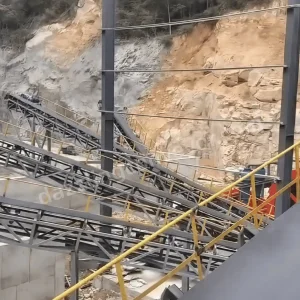
Overland belt conveyors, gantry cranes, and heavy-duty lifting systems support bulk material handling, where durability and service access are critical.
Boat dry docking systems with U-shaped cubes show how modular interfaces support marine storage, inspection, and low-space yard management.
Automatic vertical parking systems help developments expand capacity underground or within tight footprints, creating new interface needs for access control, safety, and maintenance.
Global buyers increasingly bundle dock equipment with broader material handling requirements. A supplier that can discuss both the loading bay and the surrounding logistics flow is better positioned to reduce integration risk.
Hydraulic dock levelers, vertical storing levelers, retractable work platforms, anti-collision blocks, and safety accessories can be specified as one loading zone package.
For existing facilities, modular replacement of levelers, safety accessories, and platforms can improve throughput without a full building shutdown.
Overland belt conveyor systems, double girder gantry cranes, and heavy lifting equipment extend the supplier’s relevance beyond the conventional loading dock.
Vertical parking, boat dry docking, and compact lifting systems demonstrate how equipment can be adapted when horizontal space is limited.
International buyers comparing a Chinese manufacturer and exporter usually balance technical fit, safety evidence, communication quality, delivery reliability, packaging, and lifecycle cost. The evaluation is less about a catalogue image and more about how well the supplier can close the information gap.
Drawings, dimensions, capacity assumptions, hydraulic schematics, control descriptions, finish specifications, and installation requirements should be available for review.
Check how the leveler matches dock doors, vehicle restraints, bumpers, wheel guides, traffic lights, control voltages, and local operating procedures.
Long equipment must be protected during handling and container stowage. Lifting points, rust protection, labelling, and spare-parts packing matter.
A recommended spare-parts list, replacement wear items, manuals, and remote technical support reduce operational risk after commissioning.
Confirm the equipment type: hydraulic, pneumatic, mechanical, vertical storing, fixed boarding, or retractable platform.
Provide vehicle axle loads, tyre types, dock height, pit dimensions, door opening, and available control power.
Clarify required safety accessories, including bumpers, wheel guides, anti-collision blocks, restraints, and signage.
Review customization scope for size, color, branding, voltage, frequency, load capacity, and documentation language.
Require inspection criteria, packing plan, warranty terms, and a recommended two-year spare-parts list.
Before repeat orders, evaluate installation feedback, cycle performance, maintenance history, and parts availability.
Use this illustrative model as a workshop tool, not as an industry benchmark. It helps a buyer compare two supplier proposals by asking where the real integration risk sits.
Example scoring for discussion during technical and commercial review.
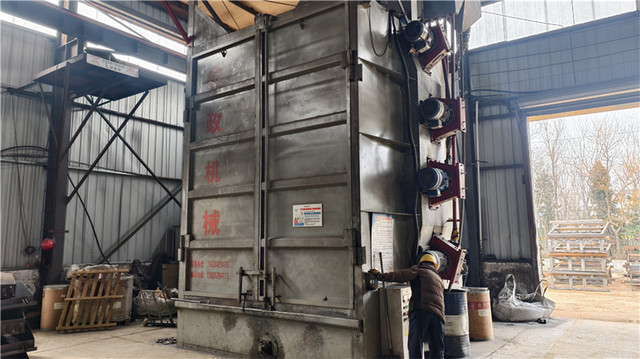
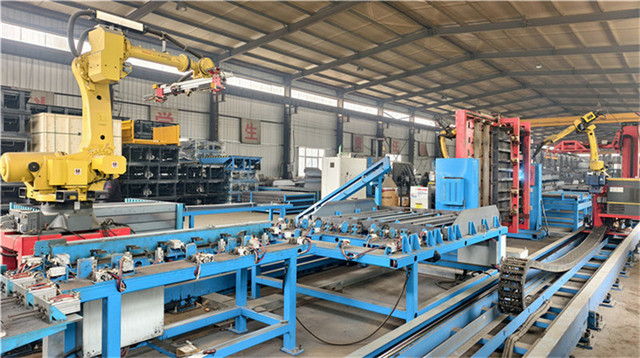
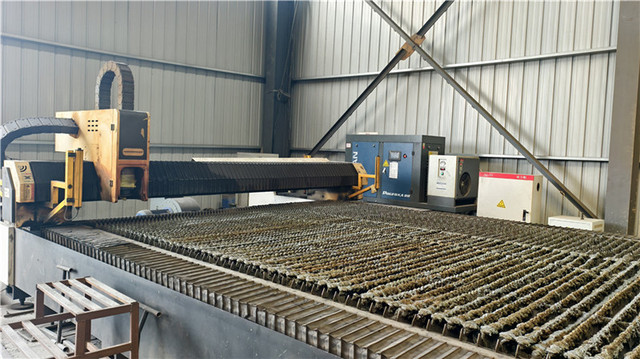
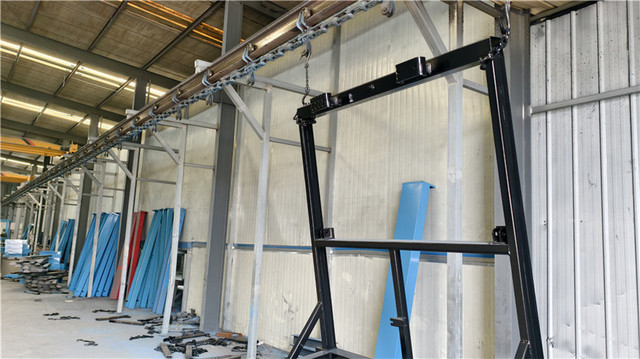
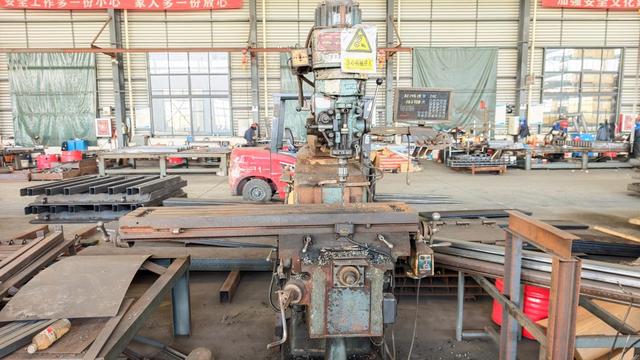
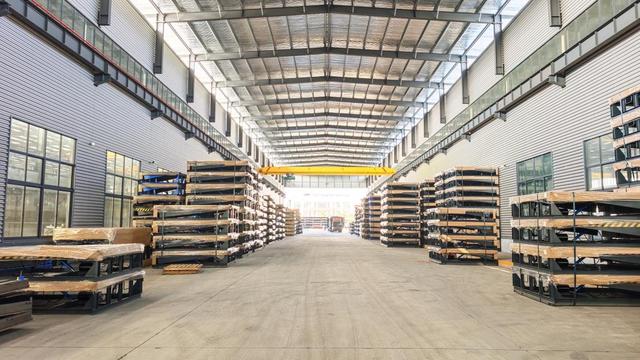
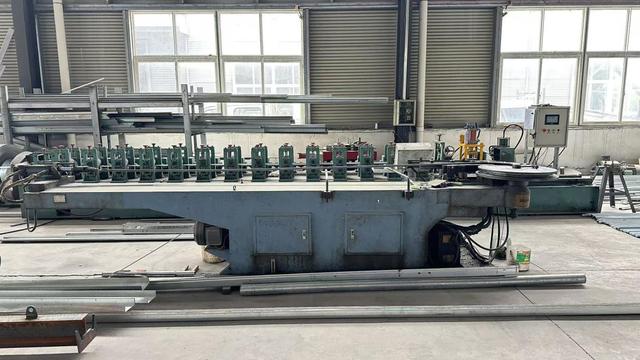
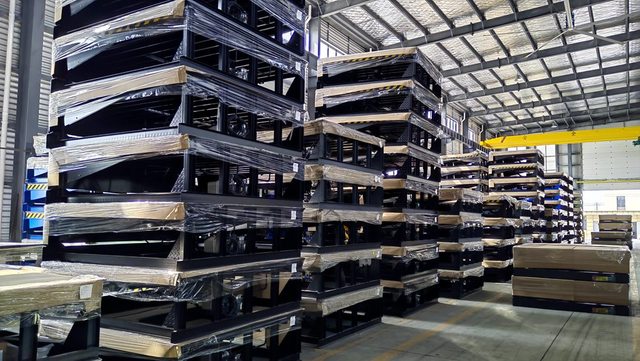
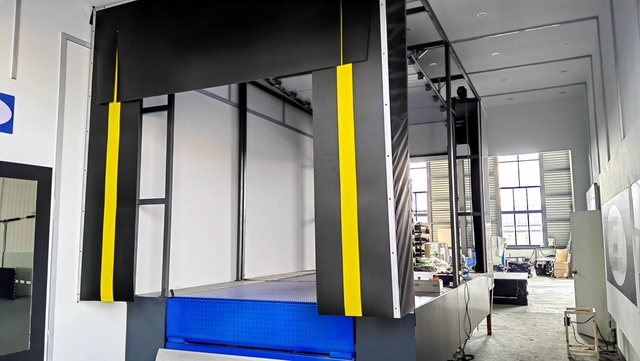
The original gallery images are retained below to support visual review of manufacturing, product configuration, and material handling applications.

These answers address common search intent for buyers comparing loading dock equipment manufacturers, hydraulic dock leveler exporters, and warehouse material handling suppliers in China.
A smart dock interface is the safety and control layer around the loading bay. It connects the hydraulic dock leveler with vehicle restraints, doors, signal lights, sensors, bumpers, and operating procedures so that equipment works together safely. The leveler remains the mechanical bridge; the interface defines how that bridge is controlled and monitored.
China offers deep industrial clusters for steel fabrication, hydraulics, electrical controls, rubber accessories, and export packing. For buyers, the real advantage is the ability to combine engineering customization, cost control, and export experience. Still, factory capability must be verified through drawings, inspections, references, and packing evidence.
According to the company profile, Dongguan Spare PartPro Co., Ltd. offers OEM and ODM customization services to meet diverse project requirements worldwide. Buyers should define the exact scope for dimensions, color, voltage, branding, manuals, packaging, and inspection criteria before production.
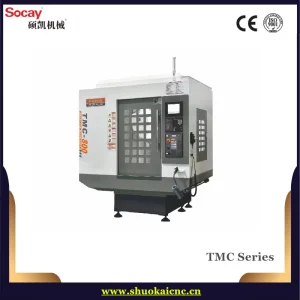
The portfolio includes hydraulic dock levelers, pneumatic and mechanical loading dock levelers, vertical storing dock levelers, retractable work platforms, anti-collision blocks, boat dry docking systems, lifting systems, gantry cranes, belt conveyors, CNC drilling and tapping systems, and automatic parking systems. This breadth supports coordinated material handling projects.
Start with the operating environment: vehicle types, loads, traffic control, personnel access, and local regulations. Ask the supplier for safety features, drawings, control descriptions, load assumptions, inspection records, and installation guidance. Do not accept a generic catalogue claim as a substitute for project-specific safety review.
Provide dock height, pit dimensions, vehicle axle loads, tyre type, required capacity, lip length, control voltage, door size, restraint requirements, photos of the loading bay, quantity, destination port, and any customization requirements such as size, color, branding, or manual language.
The remaining original product links are retained below, covering vertical dock levelers, anti-collision accessories, parking systems, loading platforms, CNC systems, conveyor systems, and other material handling equipment.
 Spare PartPro